Fructose in fruits and liver health and glycemia – when fruits can be harmful and how to eat them wisely


Table of Contents 4
Medical & Editorial Disclaimer (§3 Terms): This article is for informational and educational purposes only, does not constitute medical advice, diagnosis, or treatment, and is used at your own risk. Consult a qualified physician for medical conditions.
Biochemically, fructose travels directly to the liver, where it can accelerate fat synthesis when consumed in excess. The botanical matrix of whole fruit is crucial; the fiber content forms a viscous gel in the intestine that slows absorption and promotes satiety. In contrast, juicing strips away this protective barrier, leading to a rapid influx of sugar that the liver must process immediately. Dark berries are particularly beneficial due to their high density of anthocyanins and lower sugar fractions, whereas tropical and dried fruits deliver a much higher glycemic load that requires more mindful consumption.
To extract optimal benefits without compromising metabolic health, prioritize whole, unadulterated fruit and avoid industrial juices entirely. Never consume high-sugar fruits in isolation on an empty stomach; instead, pair them with a protein or healthy lipid anchor, such as nuts or yogurt, to buffer the glycemic response. By practicing moderation and focusing on fiber-rich, seasonal choices, you can enjoy the nutritional advantages of fruit while supporting your long-term wellness and hepatic function.
From earliest childhood, fruit consumption is universally championed as the absolute epitome of nutritional purity. Yet while whole fruits undeniably supply vital bioflavonoids, ascorbic acid, and dietary fiber, their simple sugar content demands clinical nuance. The central metabolic agent is fructose—a monosaccharide processed almost exclusively via hepatic pathways bypassing rate-limiting glycolytic controls. In an era of year-round tropical fruit availability, commercial fruit juices, and concentrated smoothies, excessive fructose intake can fuel non-alcoholic fatty liver disease (NAFLD), hyperuricemia, and visceral adiposity. This clinical analysis clarifies fruit biochemistry.
Hepatic Fructose Metabolism: De Novo Lipogenesis and Metabolic Routing
Unlike glucose, which is absorbed systemically across all tissues under insulin regulation, ingested fructose travels via the portal vein directly to the liver. There, fructokinase phosphorylates it instantaneously, bypassing the primary rate-limiting enzyme of glycolysis (phosphofructokinase). Consequently, the hepatocyte cannot downregulate substrate influx during energetic surplus. This metabolic deluge diverts carbons toward acetyl-CoA and accelerates de novo lipogenesis (DNL), synthesizing intrahepatic triglycerides that drive non-alcoholic fatty liver disease (NAFLD) and atherogenic VLDL dyslipidemia.
Whole Botanical Matrix versus Juices and Smoothies: The Protective Fiber Shield
Consuming a whole biological fruit differs radically from ingesting squeezed juice or liquefied smoothies. Intact whole fruit possesses a fibrous cellular matrix rich in pectin, forming a viscous mucosal gel in the proximal intestine that physically retards carbohydrate absorption kinetics, evokes satiety hormones, and ferments into protective butyrate. Juicing mechanically strips this matrix, yielding an unbuffered liquid solution of free fructose. Ingesting juice (concentrating the sugar of 3 to 4 oranges into seconds) floods the portal vein, driving acute glycemic and insulin surges.
Glycemic and Fructose Stratification: Berries versus Tropical Heavyweights
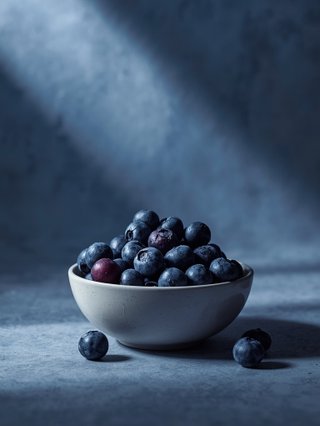
Botanical fruits occupy vast polarities regarding glycemic index and fructose concentration. The absolute nutritional zenith belongs to dark berries (wild blueberries, blackberries, raspberries, blackcurrants): they exhibit modest glycemic impact, low fructose fractions, and extraordinary anthocyanin density that actively sensitizes insulin receptors. Conversely, tropical fruits (ripe bananas, table grapes, mangoes, pineapples) alongside dried fruits (dates, raisins) deliver heavy sugar payloads and require strict moderation in insulin-resistant and diabetic cohorts.
Pragmatic Fruit Consumption Guidelines: Timing, Pairings, and Portion Limits
To extract optimal micronutrient benefits from botanical fruits without compromising metabolic equilibrium, adhere to three clinical guidelines: 1) Consume fruits exclusively in their whole, unadulterated state, eschewing industrial juices; 2) Never consume high-sugar fruit in isolation on an empty stomach—pair it with a protein or healthy lipid anchor (e.g., sliced apple with raw almond butter or raspberries with cottage cheese) to buffer glycemic impact; 3) Cap daily intake around 200 to 300 grams, prioritizing berries, ideally around exercise bouts.
Want to apply these guidelines in your daily diet?
Our smart diet generator creates a tailored meal plan in 3 minutes based on the recommendations in this article.

mgr David Janitzek
• 25.11.2026Diets Premium Expert
Diets Premium team expert. Specializes in nutrition plans, strength sports, and training plans.