Wild rose - health benefits, uses
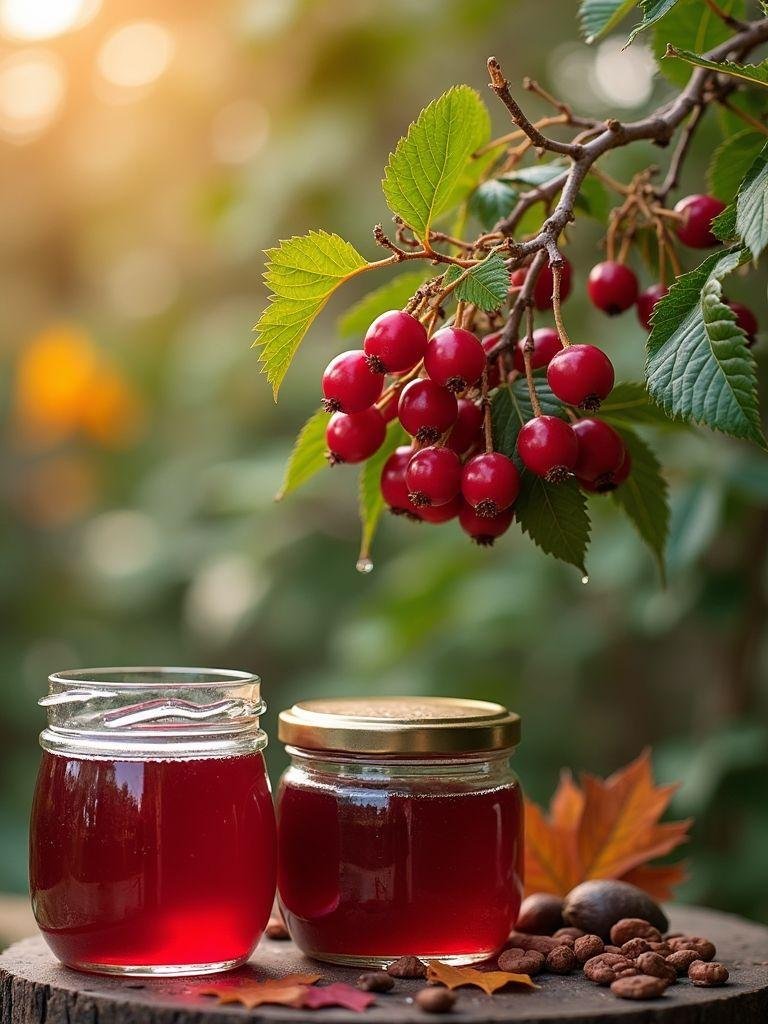
Table of Contents 6
Medical & Editorial Disclaimer (§3 Terms): This article is for informational and educational purposes only, does not constitute medical advice, diagnosis, or treatment, and is used at your own risk. Consult a qualified physician for medical conditions.
The primary health insights center on the plant's role as a premier source of natural ascorbic acid, which is fundamental for a robust immune response. These fruits facilitate the neutralization of oxidative stress and support the structural integrity of the circulatory system. By promoting collagen production and enhancing nutrient absorption, the wild rose contributes to better skin health and cellular repair. These physiological mechanisms are especially crucial during seasonal transitions when the body is more susceptible to viral and bacterial challenges.
Practical application involves integrating wild rose into the daily diet through carefully prepared preserves, syrups, or teas. Choosing homemade preparations over commercial options ensures the absence of artificial additives and preserves the integrity of the delicate antioxidants. Incorporating these nutrient-dense elements into routine meals or beverages provides a sustainable way to bolster immunity and overall vitality. Embracing the wild rose as a functional food source encourages a holistic approach to nutrition that prioritizes purity and long-term well-being.
This article is professional premium content (PRO) provided in its entirety.
Distinctive features of the wild rose - a species from the rose family
The wild rose – nutritional values
Wild Roses - Health Properties and Application
Wild roses - recipes for preserves
It's a sophisticated wild rose syrup
Outstanding jam made of wild rose petals
Ingredients:
– 250 g of wild rose petals,
– 350 g of white sugar,
– 1 glass of water,
– 1 tablespoon of lemon juice,
– a couple of teaspoons of spirit juice.
Creating jam from rose petals is significantly more time-consuming than creating syrup, but its taste is outstanding. If we have time and fresh wild rose petals, let's not hesitate!
The first step is removing the white, hard ends of the rose petals, which are ineffectual and can spoil the flavor of the jam. The petals are then poured over boiling water to get rid of impurities and bacteria. After draining the water from the petals, we squeeze into them the juice of a lemon. Set it aside. The next step is to cook the syrup in a pot – we need a glass of water and all of the sugar for this. When the sugar is completely dissolved, add the drained rose petals. Stir thoroughly and set aside for 24 hours in a cool place. The next day, cook the contents of the pot again until the petals become slightly transparent. Pour the finished jam into clean and sterilized jars. Before closing, add a teaspoon of 96% spirit to each jar. This step is very important, as it protects our preserves from spoilage.
Wild rose, although it is very common, turns out to be a very demanding product. Making preserves from it requires a significant commitment and time. The health benefits we can derive from wild rose are enormous. Wild rose is a component that is worth introducing into our diet not only in the autumn-winter season. Huge doses of vitamin C and other antioxidants will certainly contribute to improving our well-being throughout the year. Therefore, we can reach for wild rose preserves also for preventive purposes, but let's remember to consume homemade products in a reasonable and moderate way, as they are a treasure trove of health, but unfortunately also a source of calories.
Want to apply these guidelines in your daily diet?
Our smart diet generator creates a tailored meal plan in 3 minutes based on the recommendations in this article.

mgr Emilia Szymańska
• 25.11.2026Diets Premium Expert
Diets Premium team expert. Specializes in nutrition plans, strength sports, and training plans.