Protective carotenoids for vision: the role of lutein and zeaxanthin in eye structure and their natural food sources


Table of Contents 4
Medical & Editorial Disclaimer (§3 Terms): This article is for informational and educational purposes only, does not constitute medical advice, diagnosis, or treatment, and is used at your own risk. Consult a qualified physician for medical conditions.
These nutrients act as biological shields by selectively accumulating within the retina. They function as natural optical filters that absorb high-energy blue light and serve as potent antioxidants that neutralize free radicals. By mitigating oxidative stress, these carotenoids help preserve the integrity of photoreceptor membranes, which is crucial for maintaining visual acuity, contrast sensitivity, and overall retinal function in an increasingly digital world.
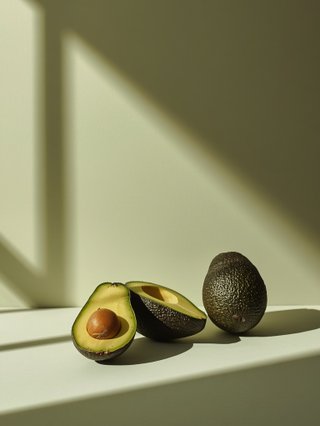
To maximize the benefits of these protective compounds, incorporate nutrient-dense foods such as kale, spinach, and egg yolks into your daily meals. Since these carotenoids are lipophilic, consuming them alongside healthy fats like olive oil or avocado is necessary to enhance their bioavailability. Adopting these dietary habits provides a proactive approach to supporting your vision and safeguarding your eyes against the daily strain of modern life.
Lutein and zeaxanthin are xanthophyll carotenoids characterized by their exceptional affinity for selective accumulation within the human eye, constituting the macular pigment optical density (MPOD). Functioning as organic optical filters, they shield fragile photoreceptors from phototoxic high-energy blue light and provide potent antioxidant scavenging against free radicals.
Biochemical Architecture and Function in the Retinal Macula
The retinal macula (macula lutea) governs high-acuity central vision, fine detail discrimination, and color perception. Lutein and zeaxanthin are the exclusive carotenoids capable of crossing the blood-retinal barrier.
Zeaxanthin concentrates predominantly at the very center of the fovea centralis, while lutein predominates across the pericentral macula. Robust macular pigment optical density directly determines visual acuity, glare recovery, and contrast sensitivity.
Protective Mechanisms: Blue Light Filtration and Free Radical Scavenging
The ocular environment undergoes perpetual illumination alongside intense oxygen metabolism, rendering it acutely susceptible to reactive oxygen species (ROS). The carotenoids deploy dual protective mechanisms:
- Spectral filtration – absorbing high-energy visible short-wavelength blue light (400–475 nm) from solar radiation and digital displays, forestalling photochemical retinal damage;
- Antioxidant defense – quenching singlet oxygen and quenching free radicals to shield photoreceptor membranes from destructive lipid peroxidation.
Dietary Food Sources and Factors Enhancing Bioavailability
Humans cannot synthesize carotenoids de novo, necessitating consistent dietary ingestion. Premier sources include:
- Raw kale – supplying 18–20 mg lutein and zeaxanthin per 100 g,
- Spinach – delivering 10–12 mg/100 g,
- Pastured egg yolks – offering roughly 0.3–0.5 mg in a phospholipid-rich lipid matrix yielding superior bioavailability,
- Broccoli, green peas, sweet corn, and parsley.
As lipophilic compounds, intestinal uptake requires concurrent dietary fats (e.g., extra virgin olive oil or avocado).
Prevention of Age-Related Macular Degeneration (AMD) and Supplementation
Landmark findings from the AREDS 2 trial established that daily supplementation of 10 mg lutein and 2 mg zeaxanthin significantly curbs progression toward advanced age-related macular degeneration (AMD) and lowers cataract risk.
Supplementation is especially indicated for older adults, computer professionals with extensive screen time, smokers, and individuals with a family history of retinal degeneration. Always consume capsules alongside a fat-containing meal.
Want to apply these guidelines in your daily diet?
Our smart diet generator creates a tailored meal plan in 3 minutes based on the recommendations in this article.
Tags

Oliwia Kaczmarek
• 25.11.2026Diets Premium Expert
Diets Premium team expert. Specializes in nutrition plans, strength sports, and training plans.