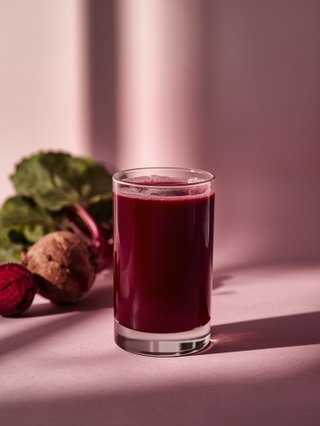
Beets - characteristics, beet juice, how to consume
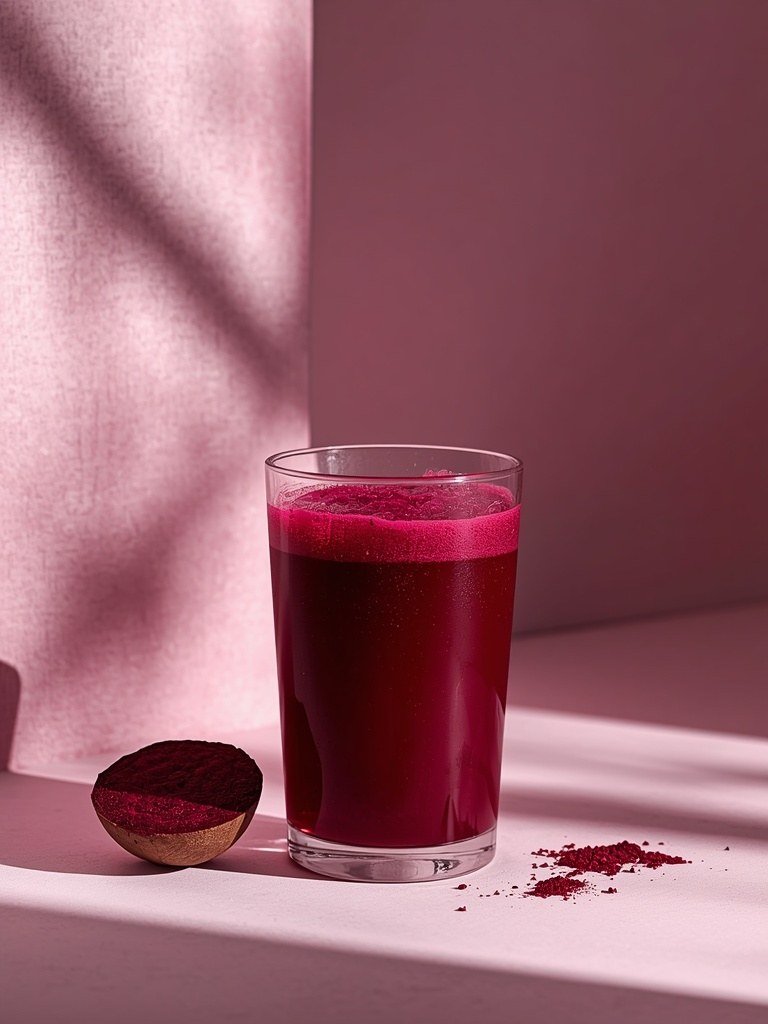
Table of Contents 3
Medical & Editorial Disclaimer (§3 Terms): This article is for informational and educational purposes only, does not constitute medical advice, diagnosis, or treatment, and is used at your own risk. Consult a qualified physician for medical conditions.
The health benefits of beetroot stem from its complex chemical composition, which includes betalains, flavonoids, carotenoids, B vitamins, and organic acid. These compounds work synergistically to exert strong antioxidant and anti-inflammatory effects, helping to neutralize reactive oxygen species and mitigate cellular stress. Naturally occurring nitrates within the root assist in enhancing vascular circulation, while the high dietary fiber content increases fecal bulk, thereby encouraging smooth intestinal transit and relieving constipation.
Integrating beetroot juice or prepared beetroots into daily nutrition offers an accessible way to support digestive regularity and cardiovascular health. Gently preparing the root or consuming it as a fresh beverage helps preserve heat-sensitive vitamins and antioxidants. Embracing this nutrient-dense superfood provides actionable, continuous support for healthy gut function and systemic circulation.
Beetroot (Beta vulgaris) – a multifaceted superfood with substantiated health-promoting effects
Bioactive constituents of beets and their health implications: antioxidative, anti-inflammatory, and circulatory-enhancing properties
Dietary benefits of fiber-rich sugar beets in alleviating constipation: traditional uses and scientific validation
Want to apply these guidelines in your daily diet?
Our smart diet generator creates a tailored meal plan in 3 minutes based on the recommendations in this article.

mgr Max Müller
• 25.11.2026Diets Premium Expert
Diets Premium team expert. Specializes in nutrition plans, strength sports, and training plans.