Understanding the Keto Diet - Introduction
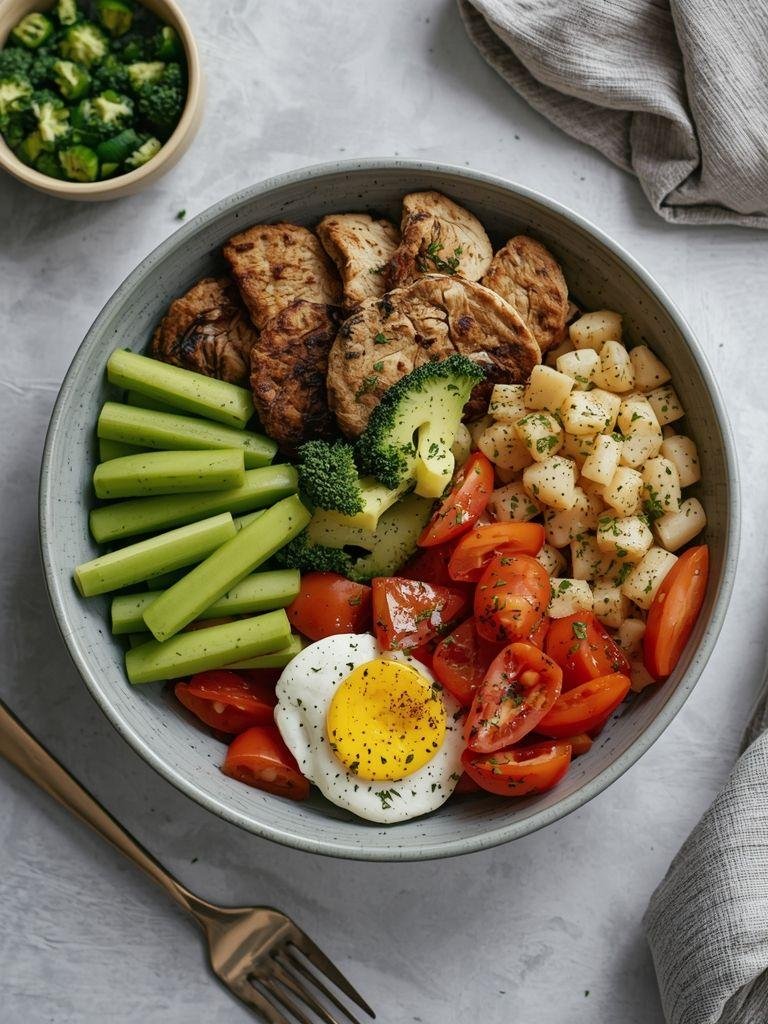
Table of Contents 8
Medical & Editorial Disclaimer (§3 Terms): This article is for informational and educational purposes only, does not constitute medical advice, diagnosis, or treatment, and is used at your own risk. Consult a qualified physician for medical conditions.
At the physiological level, this diet relies on significantly limiting carbohydrate intake while prioritizing healthy fats to induce a state of ketosis. In this state, the body shifts its primary energy source toward ketone bodies, which influences hormonal pathways related to satiety and insulin response. While these metabolic changes can be beneficial, they also require careful management, as they can alter the gut microbiome and necessitate a precise balance of nutrients to maintain systemic health.
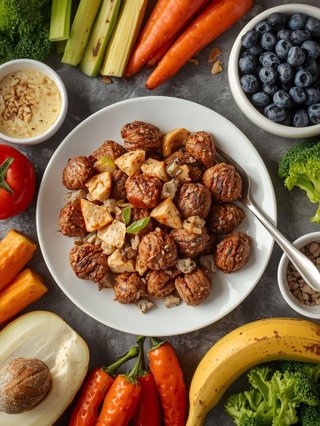
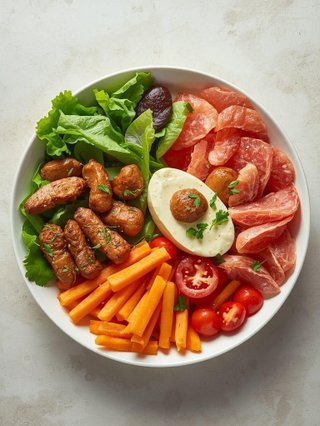
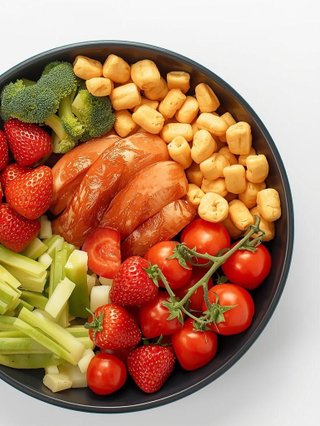
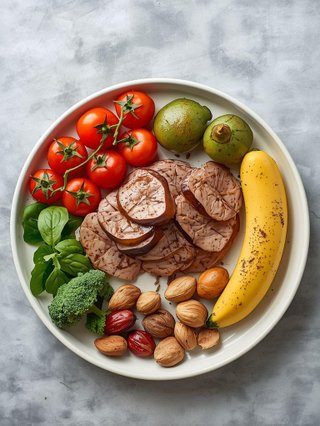
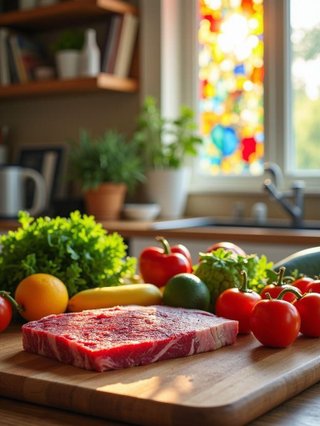
Practical implementation involves focusing on high-quality fats, lean proteins, and low-carbohydrate vegetables while strictly avoiding grains, sugars, and starchy produce. Because this dietary pattern significantly alters metabolic function, it is essential to approach it with professional guidance. Consulting with a clinical nutritionist ensures that the diet is tailored to individual needs, helping to mitigate potential risks and supporting long-term wellness without compromising nutritional adequacy.
Fundamentals of the ketogenic diet
High-fat diet – recommended and non-recommended products
Recommended foodstuffs in the ketogenic diet:
Not recommended products in the ketogenic diet:
The process of ketogenesis in the ketogenic diet
Keto diet – application and contraindications for use
For example, the benefits of a ketogenic diet include:
Examples of deficiencies in the ketogenic diet:
Want to apply these guidelines in your daily diet?
Our smart diet generator creates a tailored meal plan in 3 minutes based on the recommendations in this article.

Alicja Kowalska
• 25.11.2026Diets Premium Expert
Diets Premium team expert. Specializes in nutrition plans, strength sports, and training plans.