Low-Protein Diet - Principles, Benefits, Who Should Follow It


Table of Contents 8
Medical & Editorial Disclaimer (§3 Terms): This article is for informational and educational purposes only, does not constitute medical advice, diagnosis, or treatment, and is used at your own risk. Consult a qualified physician for medical conditions.
The underlying physiological mechanism focuses on reducing glomerular filtration stress while ensuring that the protein consumed is of high biological value. This ensures that the body receives essential building blocks without creating an excess of metabolic byproducts. To prevent the breakdown of existing muscle mass, the diet emphasizes a robust intake of healthy fats and complex carbohydrates as primary energy sources. This careful balancing act is crucial for avoiding common pitfalls such as fatigue, tissue loss, or nutrient deficiencies that can arise when protein is restricted without adequate caloric support.
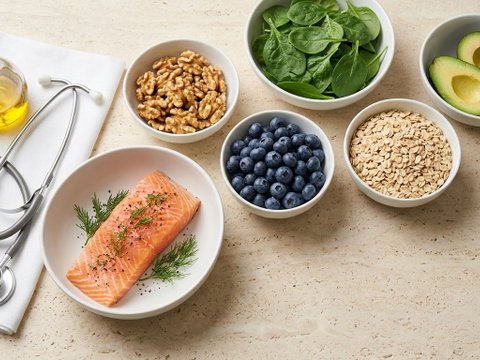
Practical implementation involves choosing light cooking methods like steaming or simmering and substituting standard grain products with specialized low-protein or starch-based alternatives. Utilizing ingredients such as extra virgin olive oil and avocado provides necessary energy density, while fresh herbs and citrus zest can be used to enhance flavor profiles without increasing sodium levels. Consistent monitoring and meal planning are essential components of this lifestyle, ensuring that nutritional requirements are met while fostering long-term wellness and metabolic stability.
This article is professional premium content (PRO) provided in its entirety.
A low-protein diet is a specialized clinical nutrition paradigm utilized in the medical management of specific metabolic conditions, notably advanced chronic kidney disease and severe hepatic dysfunction. Restricting amino acid intake reduces glomerular hyperfiltration and mitigates the accumulation of toxic nitrogenous wastes, safeguarding vital organ function.
Clinical Indications for Dietary Protein Restriction
The primary clinical indication is chronic kidney disease (stages G3b-G5 pre-dialysis), where restricting protein intake to 0.6-0.8 g/kg body weight per day significantly attenuates the decline in glomerular filtration rate (eGFR). Other indications include hepatic encephalopathy, inborn errors of amino acid metabolism (e.g., phenylketonuria), and severe urea cycle defects.
Nutritional Balancing Principles and Protein Quality
In a low-protein protocol, at least 50-60% of total protein must derive from high biological value (HBV) sources (eggs, poultry, select dairy), supplying essential amino acids in balanced ratios. This fulfills core physiological requirements while minimizing waste nitrogen generation.
Energy Requirements: Healthy Fats and Complex Carbohydrates
To prevent endogenous muscle protein breakdown (catabolism), the diet must provide adequate caloric density – typically 30-35 kcal per kilogram of ideal body weight. Energy is primarily derived from mono- and polyunsaturated fatty acids (extra virgin olive oil, rapeseed oil, avocado) and low-protein complex carbohydrates.
Preventing Protein-Energy Wasting (PEW)
The chief clinical risk of unmonitored protein restriction is protein-energy wasting (PEW). Patients require periodic monitoring of body composition, serum albumin, prealbumin, and handgrip strength. In very-low-protein diets (0.3-0.4 g/kg body weight), supplementation with ketoacid analogues of essential amino acids is mandatory.
Practical Culinary Guidance and Food Substitutions
In daily food preparation, standard pasta and bread can be substituted with specially formulated low-protein or starch-based alternatives. Cornstarch or tapioca replaces wheat flour for thickening sauces and soups. Fresh herbs and citrus zest enhance flavor without adding excess sodium.
An easy-to-digest diet with minimal protein
Side effects of a low-protein diet
Practical advice on employing a low-protein diet
Want to apply these guidelines in your daily diet?
Our smart diet generator creates a tailored meal plan in 3 minutes based on the recommendations in this article.

Alicja Kowalska
• 23.10.2026Diets Premium Expert
Diets Premium team expert. Specializes in nutrition plans, strength sports, and training plans.