Methods for preserving summer fruits: how to keep vitamins, taste, and nutritional value for winter?
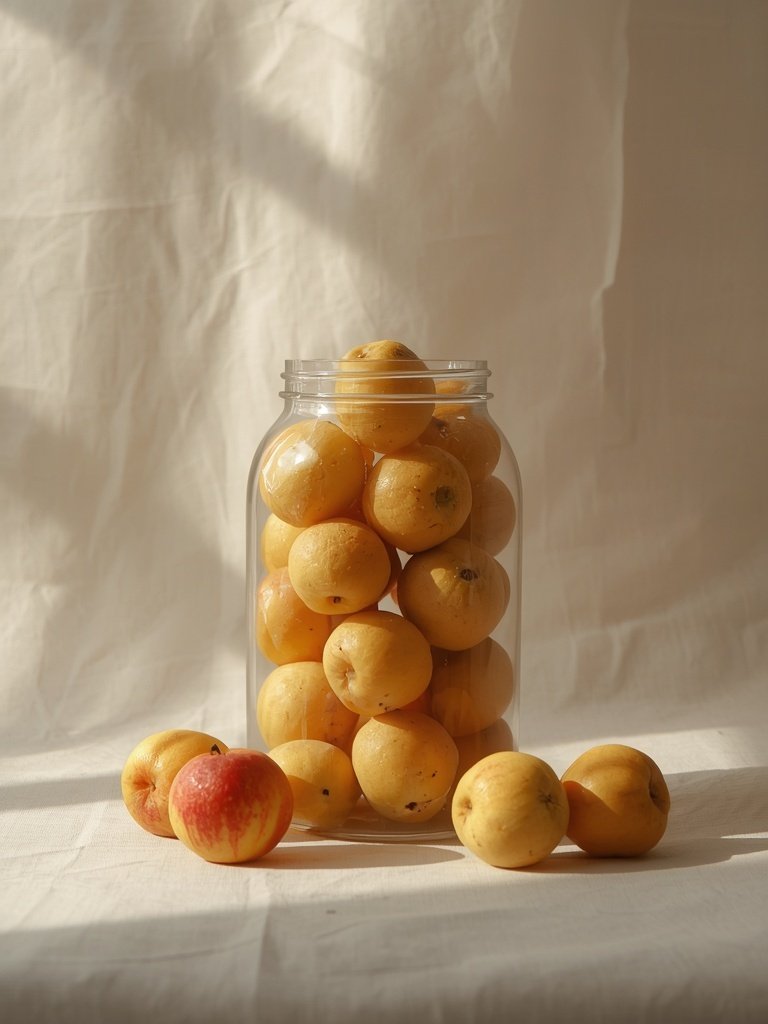
Table of Contents 4
Medical & Editorial Disclaimer (§3 Terms): This article is for informational and educational purposes only, does not constitute medical advice, diagnosis, or treatment, and is used at your own risk. Consult a qualified physician for medical conditions.
The article covers the underlying physiological mechanisms of food preservation, explaining how delicate cellular walls of soft berries are vulnerable to mechanical rupture by forming ice crystals, and how simulated flash-freezing protocols prevent a soggy, unstructured block of fruit. Furthermore, it details modern culinary alternatives to heavy sucrose syrups, incorporating citrus or apple pectins along with alternative sweeteners to craft wholesome fruit spreads. Thermal sterilization protocols and rigorous hygiene standards are also examined to guarantee long-term microbiological safety in stored glass jars.
For daily nutrition and practical kitchen implementation, readers learn step-by-step methods ranging from meticulous washing and drying to proper vacuum sealing during water bath canning. Applying these temperature-controlled dehydration and freezing techniques supports nutrient retention, allowing you to enjoy vibrant fruit profiles year-round. These evidence-based practices empower you to build a wholesome, versatile pantry while celebrating the peak harvest of summer safely at home.
Midsummer represents the absolute pinnacle of fresh berries, drupes, and orchard fruits packed with peak phytonutrient density. To savor their seasonal flavors and health-promoting antioxidants during winter, evidence-based preservation techniques are indispensable. This guide details flash-freezing protocols to prevent clumping, home dehydration methods, crafting low-sugar fruit spreads with pectin, and thermal sterilization to ensure microbiological safety.
Overview of fruit preservation modalities: From freezing to freeze-drying
The choice of preservation technique directly dictates the retention rate of labile vitamins (particularly ascorbic acid and folates) and antioxidant polyphenols. Flash freezing ranks as the least destructive domestic method, retaining upwards of 85-90% of intact micronutrients. Gentle dehydration utilizing temperature-controlled dehydrators below 50°C provides an excellent shelf-stable alternative, condensing minerals and dietary fiber by removing free moisture. Meanwhile, traditional preserves – compotes, fruit butters, and jams – involve mild thermal processing, which stabilizes pectin networks and enhances carotenoid bioavailability.
Flash freezing berries: The individual quick freezing (IQF) kitchen technique
Soft berry fruits (strawberries, raspberries, blackberries, blueberries) possess delicate cellular walls vulnerable to mechanical rupture by growing ice crystals. To prevent them from collapsing into a soggy, amorphous frozen block, emulate industrial Individual Quick Freezing (IQF) at home: wash berries gently, dry meticulously on absorbent towels, and spread in a single uncrowded layer across parchment-lined baking sheets. Place sheets in the freezer for 2 to 3 hours until completely solid; subsequently funnel the individually frozen berries into airtight freezer bags, expelling residual oxygen.
Low-sugar jams and fruit butters: Healthier alternatives to white sugar
Archaic preserve formulations historically mandated a 1:1 ratio of refined sucrose to fruit, substantially elevating glycemic load and eroding nutritional value. Modern wholesome gastronomy replaces heavy sugar syrups with purified apple or citrus pectins that set fruit purees perfectly under low-sugar conditions. Natural sweetness can be achieved with erythritol, birch xylitol, or through extended low-heat reduction (such as heritage plum butter simmered slowly across days with zero added sweeteners), concentrating intrinsic fruit sugars naturally.
Thermal canning protocols and airtight pantry storage hygiene
The microbiological stability of home-canned jars relies strictly on pristine sanitation and rigorous thermal processing. Glass jars and twist-off lids must be washed thoroughly and sterilized in boiling water or a preheated oven at 100°C prior to hot packing. Water bath canning must maintain a rolling boil for 15-20 minutes; upon retrieval, invert jars onto clean kitchen towels to cool undisturbed, confirming that all vacuum lids achieve a concave, depressed seal. Store cooled preserves in an unheated, dark, well-ventilated pantry maintaining consistent moderate temperatures.
Want to apply these guidelines in your daily diet?
Our smart diet generator creates a tailored meal plan in 3 minutes based on the recommendations in this article.

Mia Hoffmann
• 25.11.2026Diets Premium Expert
Diets Premium team expert. Specializes in nutrition plans, strength sports, and training plans.