Resistant starch - characteristic features, varieties, sources
Table of Contents 3
Medical & Editorial Disclaimer (§3 Terms): This article is for informational and educational purposes only, does not constitute medical advice, diagnosis, or treatment, and is used at your own risk. Consult a qualified physician for medical conditions.
As the starch travels intact past the small intestine, it reaches the large intestine where it acts as a primary fermentative substrate for the resident gut microbiota. This microbial fermentation yields vital short-chain fatty acids, predominantly butyrate, which serves as the essential energy source for colonocytes and supports intestinal integrity. The underlying structural classifications and physicochemical properties of resistant starch—ranging from physically entrapped granules to retrograded starch matrices—prevent early enzymatic breakdown and ensure that these beneficial compounds arrive precisely where they can exert their positive metabolic influence.
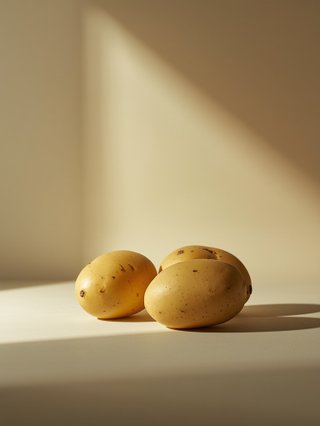
Translating these scientific insights into everyday culinary practices is remarkably straightforward through mindful food preparation and storage techniques, such as cooling previously boiled potatoes, grains, and rice dishes. By leveraging the natural retrogradation process, individuals can independently elevate the dietary content of resistant starch in their meals, thereby embracing a practical, food-first approach to supporting long-term digestive wellness.
Resistant Starch: Digestive Resistance, Fermentative Properties, and Broad-Spectrum Health Benefits
Resistant Starch: Categorization and Functional Attributes of Distinct Varieties
Digestive-Resistant Starch: Dietary Sources and Their Nutritional Benefits
Want to apply these guidelines in your daily diet?
Our smart diet generator creates a tailored meal plan in 3 minutes based on the recommendations in this article.
Tags

Wojciech Wiśniewski
• 25.11.2026Diets Premium Expert
Diets Premium team expert. Specializes in nutrition plans, strength sports, and training plans.