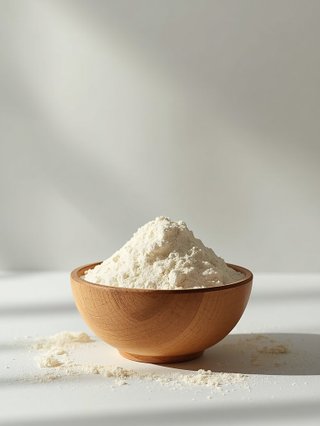
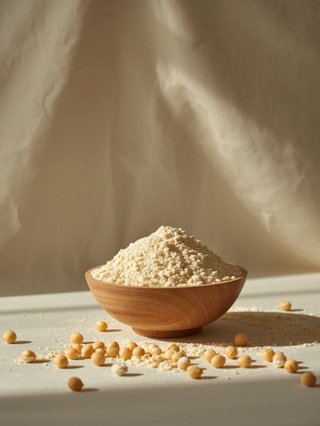
Potato starch (potato flour) – properties, resistant starch, and versatile uses
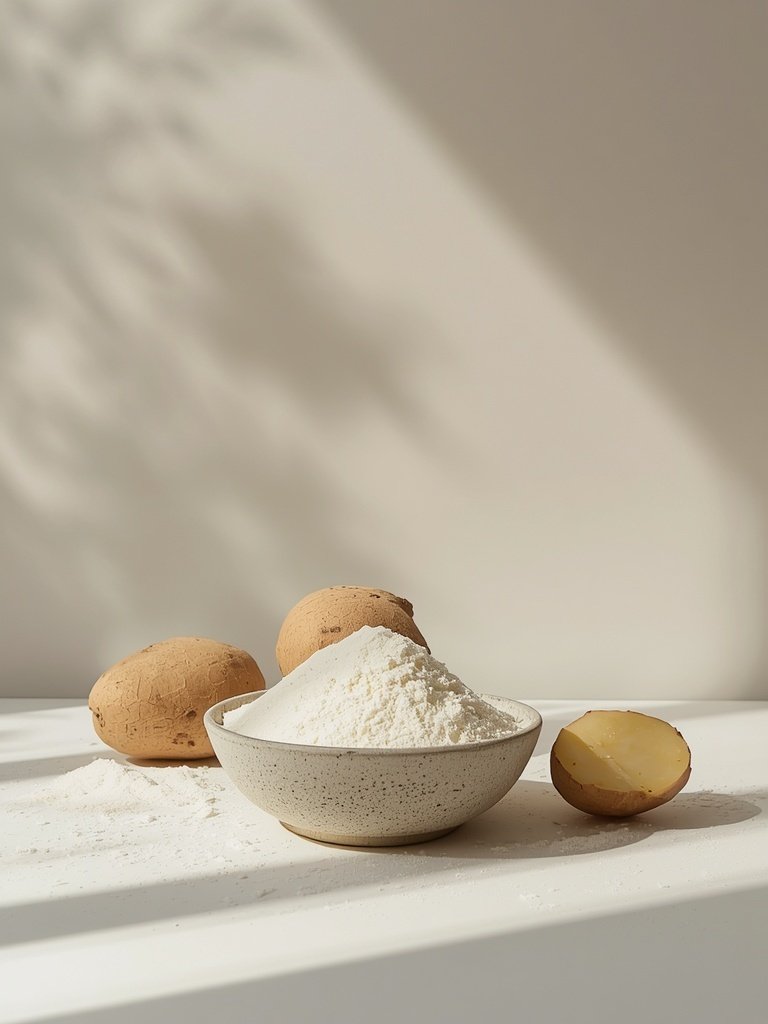
Table of Contents 4
Medical & Editorial Disclaimer (§3 Terms): This article is for informational and educational purposes only, does not constitute medical advice, diagnosis, or treatment, and is used at your own risk. Consult a qualified physician for medical conditions.
The article delves into the diverse applications of potato starch, from traditional dishes like Silesian dumplings and fruit kissel to its use as a thickening agent for sauces and an enhancer of baked goods' tenderness. It also explores the industrial extraction processes and the morphological characteristics of starch granules, which account for its superior swelling capacity and velvety viscosity. Furthermore, the significance of retrograded potato starch as a prebiotic is highlighted, as it ferments into butyrate in the colon, supporting the gut microbiota.
Practically, potato starch offers numerous uses in the household. It can be employed to thicken soups and sauces for a clear consistency, to create tender baked goods, or as a base for traditional desserts. Its properties as resistant starch are particularly pronounced after cooking and subsequent cooling, making it a valuable contribution to a balanced diet and the promotion of gut health. It also finds application in skincare as a gentle, hypoallergenic remedy, for instance, for skin irritations or in starch baths.
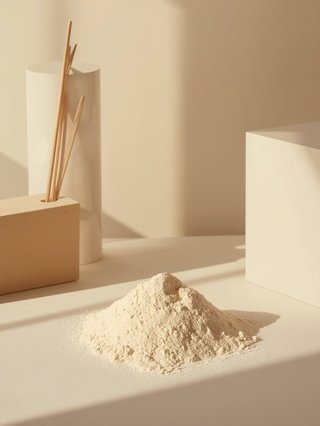
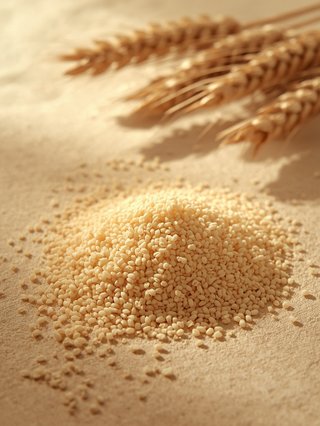
Potato starch, frequently colloquially designated as potato flour in domestic kitchens, is a refined biopolymer extracted from the tubers of Solanum tuberosum. It possesses superior physicochemical properties, including low gelatinization temperature (~60–65°C), transparent gel formation, and exceptional water-binding viscosity alongside complete gluten-free purity. In clinical gastroenterology, retrograde potato starch represents one of nature's premier sources of resistant starch (type RS3), a robust prebiotic driving colonic butyrate synthesis.
Physicochemical Properties and Industrial Extraction Process
Potato starch is isolated via mechanical rasping of potato tubers followed by water extraction and centrifugation:
- Granule morphology – potato starch features the largest granule diameter among commercial starches (up to 100 microns), granting unmatched swelling capacity and velvet-smooth viscosity.
- Low gelatinization temperature – initiates swelling at 60–65°C, considerably lower than maize or wheat starches (75–80°C).
- Biochemical purity – the refined powder yields >99% pure carbohydrate dry matter, entirely free from gluten, fat, or cholesterol.
Resistant Starch (Prebiotic) and Metabolic Benefits for Gut Health
Nutritional medicine has unveiled extraordinary prebiotic capabilities in retrograded potato starches:
- Retrogradation phenomenon – cooking and subsequent refrigeration reorganizes linear amylose chains into crystalline resistant starch (RS3) refractory to pancreatic amylase digestion.
- Butyrate generation – passes intact into the colon to undergo bacterial fermentation into short-chain fatty acids, predominantly butyrate, which fuels colonocyte renewal and suppresses inflammatory carcinogenesis.
- Second-meal effect – mitigates postprandial glycemic excursions and enhances insulin sensitivity during subsequent meals.
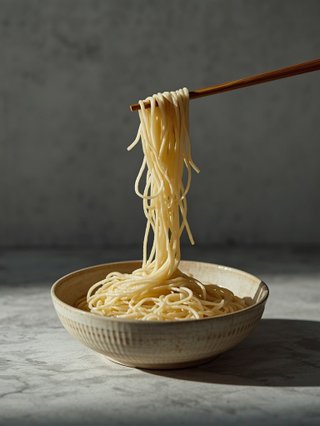
Culinary Applications – Fruit Kissel, Silesian Dumplings, and Thickening
Potato starch anchors indispensable culinary applications:
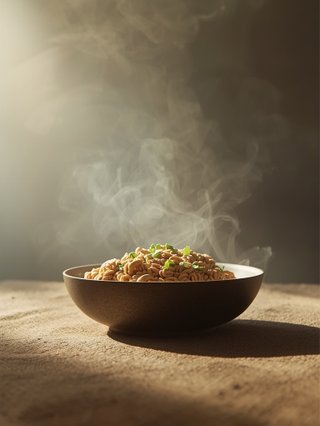
- Traditional Silesian potato dumplings (Kluski śląskie) – blending with riced potatoes at a precise 1:4 volumetric ratio imparts their signature bouncy, tender bite.
- Fruit kissel (Kisel) – slurried in cold water and stirred into simmering compote, it sets into a translucent, silky fruit dessert.
- Sauce thickener – produces crystal-clear, high-gloss gravies and glazes without flour cloudiness.
- Tenderizing baked cakes – substituting 20% of wheat flour with potato starch in sponge cakes yields an exceptionally featherlight, tender crumb.
Cosmetic and Medicinal Uses – Diaper Rash, Starch Baths, and Skin Care
Unadulterated potato starch serves as a gentle, hypoallergenic dermatological remedy:
- Diaper rash dusting powder – absorbs moisture and prevents frictional chafing in infant care, providing a safe non-toxic alternative to talcum powder.
- Starch baths for atopic dermatitis – a starch bath coats inflamed, sensitive skin in a protective colloidal film, markedly relieving pruritus and erythema.
- Natural dry shampoo – dusted lightly onto the scalp, it swiftly absorbs sebum without chemical residues.
Want to apply these guidelines in your daily diet?
Our smart diet generator creates a tailored meal plan in 3 minutes based on the recommendations in this article.
Tags

mgr Emilia Szymańska
• 25.11.2026Diets Premium Expert
Diets Premium team expert. Specializes in nutrition plans, strength sports, and training plans.