Natural methods for parasite elimination – the key role of balanced nutrition in the body's detoxification process


Table of Contents 4
Medical & Editorial Disclaimer (§3 Terms): This article is for informational and educational purposes only, does not constitute medical advice, diagnosis, or treatment, and is used at your own risk. Consult a qualified physician for medical conditions.
Across its chapters, the article examines the diverse clinical manifestations associated with parasitic presence, including persistent diarrhoea, abdominal pain, bloating, acid reflux, alternating constipation, intestinal cramps, impaired nutrient absorption, and difficulties digesting fats—symptoms that can often resemble chronic gastrointestinal conditions such as irritable bowel syndrome. It also highlights primary transmission routes, notably exposure to untreated water from rivers or lakes and the consumption of unwashed fruits, vegetables, nuts, or inadequately cooked meat and fish. Furthermore, the text underscores the physiological importance of clearing accumulated metabolic waste and resolving sluggish bowel transit prior to starting an antiparasitic regimen, a preparatory measure that helps mitigate the temporary discomfort of the Jarisch-Herxheimer reaction triggered by endotoxins released when pathogens break down.
From a practical standpoint, daily nutritional management begins with avoiding overeating and practicing thorough mastication so that undigested food particles do not linger in the digestive tract. Because parasites thrive in damp environments rich in simple substrates, readers are encouraged to restrict simple sugars, refined flours, and mucus-producing foods. Instead, centering everyday meals around complex carbohydrates such as millet, buckwheat, oats, and rye, complemented by legumes like adzuki beans and diligent food safety habits, provides actionable support for long-term digestive resilience.
According to global estimates, parasitic infestations pose a challenge for nearly one-third of the world’s population, with approximately 3 billion individuals experiencing clinical symptoms of parasite-related diseases. Importantly, there exist scientifically documented nutritional strategies that may facilitate the removal of unwanted pathogens from the gastrointestinal tract and other tissues, thereby contributing to the restoration of microbiological balance and overall well-being. Incorporating specific dietary adjustments alongside proven hygiene practices creates an unfavourable internal environment for parasites, supporting the body's natural elimination mechanisms.
Parasites in the body – symptoms
Although each parasite induces distinct clinical symptoms, the most prevalent indicators of infection include chronic diarrhoea and abdominal pain. If left untreated, these conditions can evolve into chronic states that mimic other gastrointestinal disorders, such as irritable bowel syndrome or Crohn's disease. Additional digestive manifestations involve bloating, acid reflux, alternating diarrhoea and constipation, intestinal cramps, impaired nutrient absorption, difficulties in digesting fats, lactose, and gluten, blood sugar fluctuations, and unexplained weight changes.
Furthermore, parasitic infections compromise immune function, leading to chronic fatigue, weakness, and frequent recurrent infections. Dermatological signs such as allergies, hives, eczema, acne, and pruritus around the anus or ears are also common. Neurological and emotional symptoms may include anxiety, irritability, neurosis, apathy, and depression.
Parasites in the body – causes and transmission
The primary cause of parasitic infections is a lack of hygiene and caution in environments potentially contaminated with pathogens. This includes natural water sources such as rivers and lakes, making the consumption of untreated or unboiled water a significant risk factor. Raw and inadequately cooked foods represent another major source of transmission. Helminth eggs can be found on unwashed vegetables and fruits, improperly prepared meat and fish, and the surfaces of nuts.
Additionally, domestic animals act as reservoirs for various microorganisms and can transmit them via their fur. Consequently, maintaining rigorous personal hygiene—such as frequent handwashing, keeping living spaces clean, and regularly deworming pets—is essential. Individuals with compromised immune systems, such as those recovering from antibiotic treatments, immunosuppressed patients, or children with developing immune systems, are particularly susceptible to infection.
Clearing the body before antiparasitic therapy
Before initiating a parasite-cleansing diet or herbal regimen, the body should be cleared of accumulated metabolic waste and toxins produced by parasites. This preliminary step helps prevent or mitigate the Jarisch-Herxheimer reaction, which is triggered by endotoxins released when parasites are rapidly destroyed. The symptoms of this reaction can temporarily mimic an exacerbation of illness, making a gradual detoxification process essential for patient comfort and safety.
Constipation and slow intestinal transit create a favorable environment for parasite survival, as stagnant fecal matter retains toxins. Maintaining proper digestive function is therefore a crucial component of preparation. Fiber-rich foods such as oat flakes, wheat bran, and psyllium seed husks, combined with increased water intake, effectively support bowel motility. Additionally, fermented foods like kefir, buttermilk, and sauerkraut promote a healthy microbiome. Traditional methods also suggest consuming a small portion of raw, thoroughly chewed brown rice in the morning to mechanically sweep and cleanse the digestive tract.
Nutritional strategies and foods in parasite management
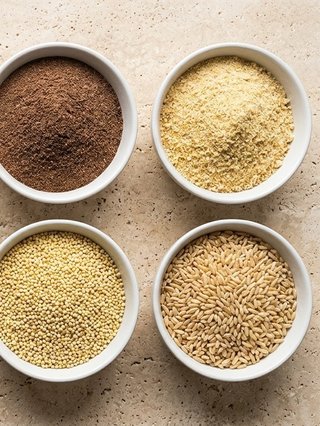
A core principle of an antiparasitic diet is avoiding overeating and practicing thorough mastication to ensure proper digestion and prevent food residues from lingering in the gut. Since parasites thrive in a moist environment rich in undigested food particles, it is essential to restrict simple sugars, refined flours, and mucus-producing items. Instead, focus on complex carbohydrates such as millet, buckwheat, oats, and rye, alongside legumes like adzuki beans which help eliminate internal dampness.
Regarding animal protein, pork should be avoided due to its mucus-promoting properties, and all meats must be thoroughly cooked at high temperatures (80–100 °C) to destroy any encysted larvae. The most critical addition to the diet consists of foods with pungent, sour, and bitter profiles that naturally deter parasites. Incorporating ingredients such as garlic, onions, pumpkin seeds, cloves, cayenne pepper, ginger, horseradish, thyme, and sage creates an inhospitable environment for pathogens, supporting both elimination and long-term prevention.
Want to apply these guidelines in your daily diet?
Our smart diet generator creates a tailored meal plan in 3 minutes based on the recommendations in this article.

Anna Schmidt
• 25.11.2026Diets Premium Expert
Diets Premium team expert. Specializes in nutrition plans, strength sports, and training plans.