National parsley (flat-leaf) – characteristics and uses
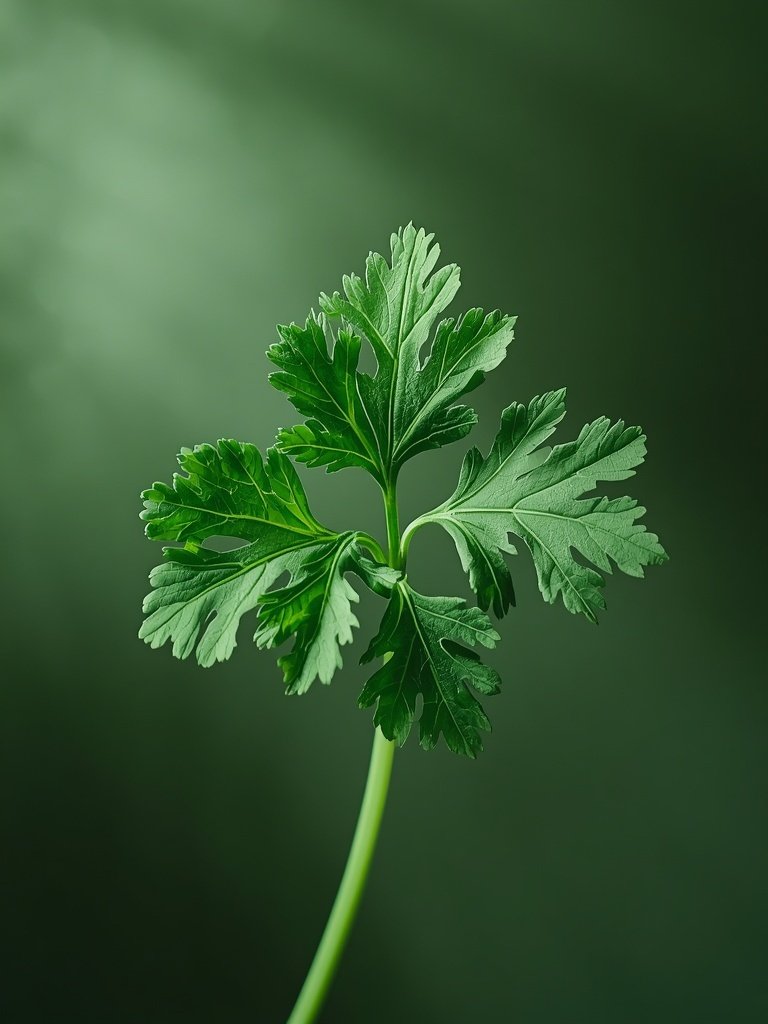
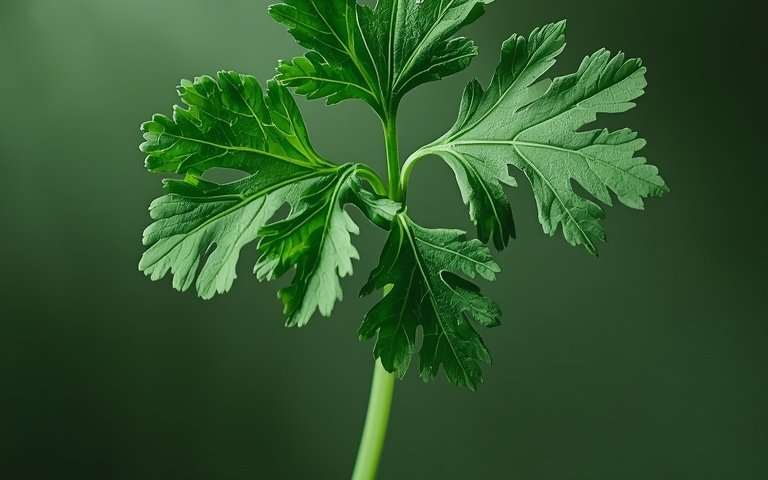
Table of Contents 3
Medical & Editorial Disclaimer (§3 Terms): This article is for informational and educational purposes only, does not constitute medical advice, diagnosis, or treatment, and is used at your own risk. Consult a qualified physician for medical conditions.
The physiological benefits of parsley are rooted in its high concentration of vitamin C, which enhances the absorption of non-heme iron, and its rich profile of apigenin, a flavonoid known for its anti-inflammatory properties. The presence of essential oils promotes gentle renal clearance, supporting the body's natural detoxification pathways, while chlorophyll contributes to systemic metabolic support. These components work synergistically to bolster immunity and improve the bioavailability of nutrients from other foods consumed alongside it.
To preserve the delicate nutritional profile and vibrant flavor of parsley, it is essential to avoid prolonged exposure to heat, which can degrade its vitamin content. The most effective culinary strategy is to chop the leaves finely immediately before serving and add them as a fresh garnish to hot dishes or incorporate them into raw green smoothies. By adopting these simple preparation techniques, one can ensure that the full spectrum of health-promoting compounds remains intact, allowing for the maximum benefit in every meal.
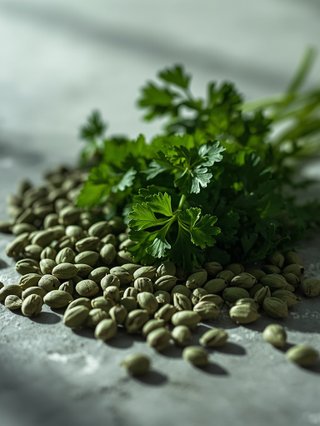
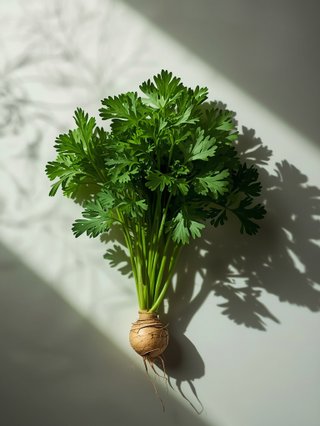
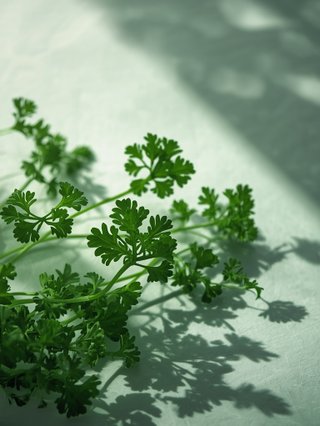
Fresh parsley greens (Petroselinum crispum fol.) represent one of the most nutrient-dense leafy herbs in European culinary culture and nutritional science. It features extraordinary concentrations of L-ascorbic acid, non-heme iron, dietary folates, chlorophyll, and apigenin. This comprehensive article explores its nutritional density, systemic detoxifying properties, and culinary preservation strategies.
Nutritional Profile: Concentrated Vitamin C, Non-Heme Iron, and Chlorophyll
Fresh parsley greens are a recognized nutritional powerhouse: 100 grams of fresh leaves deliver upwards of 160–180 mg of L-ascorbic acid (vitamin C)—more than triple the concentration found in lemons or oranges. Furthermore, it provides approximately 5 mg of non-heme iron per 100 g. The concurrent presence of massive ascorbic acid titers chemically reduces ferric iron to ferrous iron (Fe2+), dramatically amplifying intestinal absorption. Parsley foliage is also rich in photosynthetic chlorophyll, lutein, and provitamin A carotenoids.
Energy Density, Protective Flavonoids, and Renal Diuretic Action
A 100-gram serving of parsley foliage supplies merely 36–41 kcal, accompanied by roughly 3 g of protein and over 4 g of dietary fiber. Its crowning phytochemical constituent is apigenin—a polyphenolic flavonoid with documented antineoplastic, anti-inflammatory, and neuroprotective properties. Essential oil terpenes (apiol and myristicin) gently enhance renal glomerular perfusion, conferring mild diuretic clearance of excess sodium while rapidly neutralizing volatile oral sulfur compounds to freshen breath.
Culinary Applications: Techniques for Preserving Fragile Vitamin C
Because L-ascorbic acid degrades rapidly upon thermal exposure and prolonged boiling, parsley greens should never be subjected to extended cooking in broths. Optimum culinary practice dictates finely chopping the herb immediately prior to serving and garnishing hot dishes directly on the plate. Fresh parsley shines as the primary ingredient in vibrant green smoothies blended with crisp green apple and lemon, or in authentic Levantine tabbouleh with bulgur wheat, virgin olive oil, and vine-ripened tomatoes.
Want to apply these guidelines in your daily diet?
Our smart diet generator creates a tailored meal plan in 3 minutes based on the recommendations in this article.
Tags

mgr Tim Klein
• 23.10.2026Diets Premium Expert
Diets Premium team expert. Specializes in nutrition plans, strength sports, and training plans.