Mineral Nutrition: Natural Stones and Their Effect on the Body – A Health Guide
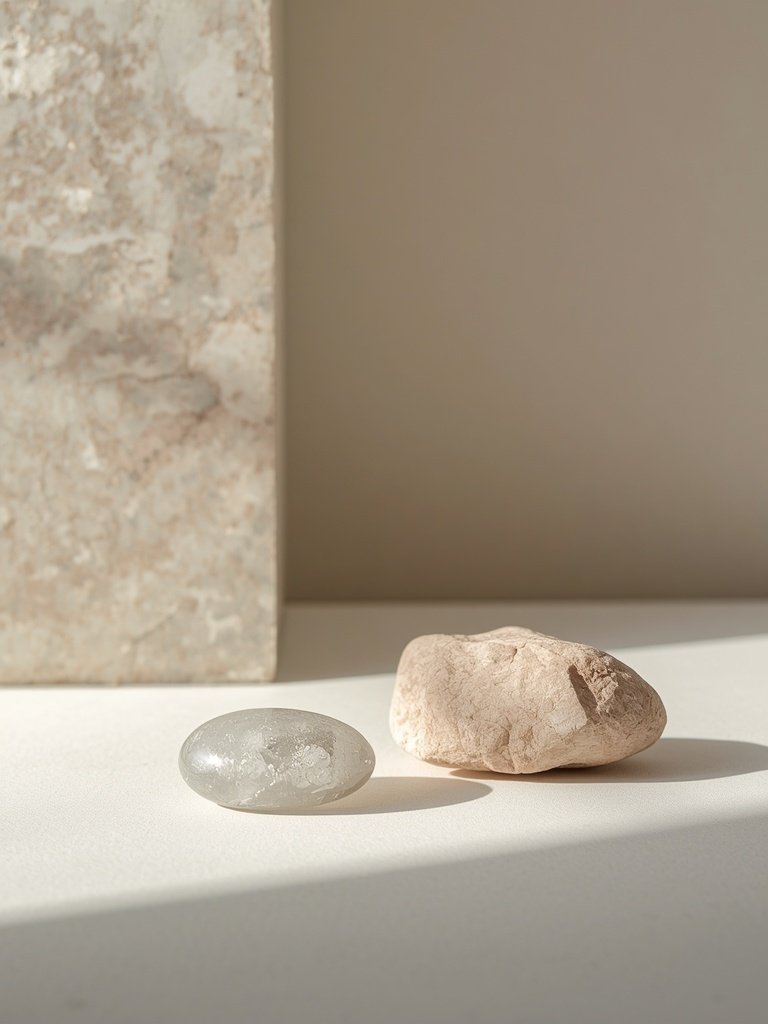
Table of Contents 3
Medical & Editorial Disclaimer (§3 Terms): This article is for informational and educational purposes only, does not constitute medical advice, diagnosis, or treatment, and is used at your own risk. Consult a qualified physician for medical conditions.
The text delves into mineral geochemistry, relaxation psychology, and the placebo effect, explaining how holding a polished stone can act as a grounding sensory anchor during moments of acute distress. It also details the traditional symbolic and restorative roles of popular minerals, such as rose quartz for emotional tranquility, amethyst for promoting restful sleep and meditation, and clear quartz for clarity and focus. The mechanical stimulation offered by cold gua sha stones and rollers is also mentioned as a supportive technique.
Practical guidance includes the mindful integration of minerals into self-care routines, such as gentle facial massage with gua sha tools over lubricated skin. Crucially, the article warns against ingesting gemstone-infused waters, as certain raw minerals can leach dangerous heavy metals. The emphasis is on safe and conscious application to support overall well-being and mental equilibrium.
This article is professional premium content (PRO) provided in its entirety.
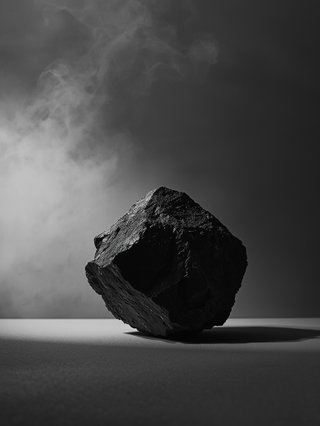
Growing public interest in holistic wellness modalities sustains the popularity of lithotherapy—the historical utilization of natural gemstones and minerals for psychophysical balance. Modern science approaches this practice through mineral geochemistry, relaxation psychology, and placebo-mediated well-being, highlighting the value of mindfulness and tactile grounding in everyday stress reduction.
Lithotherapy – History, Holistic Principles, and Scientific Perspectives
Utilizing gemstones for protection and well-being traces back millennia across Ancient Egypt, Classical Greece, Ayurvedic India, and Imperial China, anchored in traditions that crystalline lattices project harmonious energetic frequencies.
From the vantage of contemporary evidence-based medicine (EBM), lithotherapy does not replace conventional medical treatment. Rather, its subjective efficacy stems from tactile grounding, focused mindfulness meditation, and the powerful relaxation response reducing systemic neuroendocrine stress.
Profile of Popular Minerals and Their Traditional Uses
Traditional lithotherapy assigns unique symbolic and restorative roles to distinct minerals:
- Rose quartz – embraced as an emblem of emotional tranquility, compassion, and interpersonal serenity;
- Amethyst – a purple macrocrystalline quartz prized for calming racing thoughts, promoting restful sleep, and centering meditation;
- Clear quartz (rock crystal) – celebrated for clarity and focus in breathwork routines;
- Jade and quartz facial tools – cold gua sha stones and rollers that mechanically stimulate cutaneous microcirculation and lymphatic drainage.
Safe Application Guidelines and Integration with Mental Well-Being
Engaging with minerals can gracefully enrich mental self-care when approached with grounded discernment:
- holding a polished tactile stone serves as an effective grounding sensory anchor during acute anxiety or distress;
- facial massage with gua sha tools must always utilize gentle strokes over lubricated skin to protect epidermal integrity;
- Toxicity warning: Avoid ingesting gemstone-infused waters, as certain raw minerals (e.g., malachite, cinnabar) leach dangerous heavy metals like copper, lead, or arsenic;
- complementary practices must never supplant conventional medical diagnosis and psychotherapy.
Want to apply these guidelines in your daily diet?
Our smart diet generator creates a tailored meal plan in 3 minutes based on the recommendations in this article.

Lena Bauer
• 26.11.2026Diets Premium Expert
Diets Premium team expert. Specializes in nutrition plans, strength sports, and training plans.