MIND Diet Plan – Beneficial Effects for Brain Functioning
Table of Contents 4
Medical & Editorial Disclaimer (§3 Terms): This article is for informational and educational purposes only, does not constitute medical advice, diagnosis, or treatment, and is used at your own risk. Consult a qualified physician for medical conditions.
Across its chapters, the article examines the biological mechanisms behind Alzheimer's disease, explaining how the accumulation of amyloid plaques and abnormally phosphorylated tau proteins leads to neuronal loss and synaptic destruction. Observational findings from clinical nutrition studies suggest that dietary patterns rich in olive oil, nuts, and marine foods help protect cardiovascular integrity while potentially contributing to a slower rate of cognitive decline. Furthermore, the text highlights how metabolic and vascular conditions such as obesity, diabetes, and heart disease are closely intertwined with overall brain health.
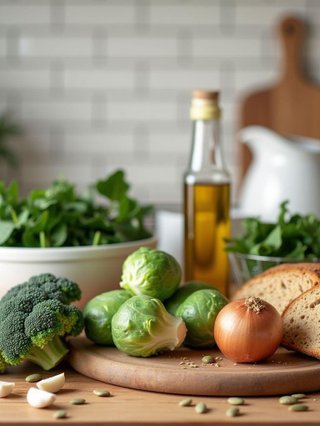
From a practical standpoint, the MIND regimen is widely recognized for being straightforward to follow in everyday life, encouraging the regular enjoyment of nutrient-dense foods and balanced, Mediterranean-inspired cuisine. However, because nutrition alone does not determine long-term health, the article emphasizes pairing wholesome dietary habits with consistent, moderate physical activity tailored to individual fitness capabilities. Combining mindful dietetics with an active routine provides a sustainable strategy to support metabolic balance, cardiovascular resilience, and cognitive functioning over time.
Neurodegenerative conditions
The MIND diet - essential principles
Diet is not the sole factor influencing health
Efficacy of the MIND diet
Want to apply these guidelines in your daily diet?
Our smart diet generator creates a tailored meal plan in 3 minutes based on the recommendations in this article.

Sophia Williams
• 25.11.2026Diets Premium Expert
Diets Premium team expert. Specializes in nutrition plans, strength sports, and training plans.