Low-FODMAP Diet: Significance and Limitations of Use
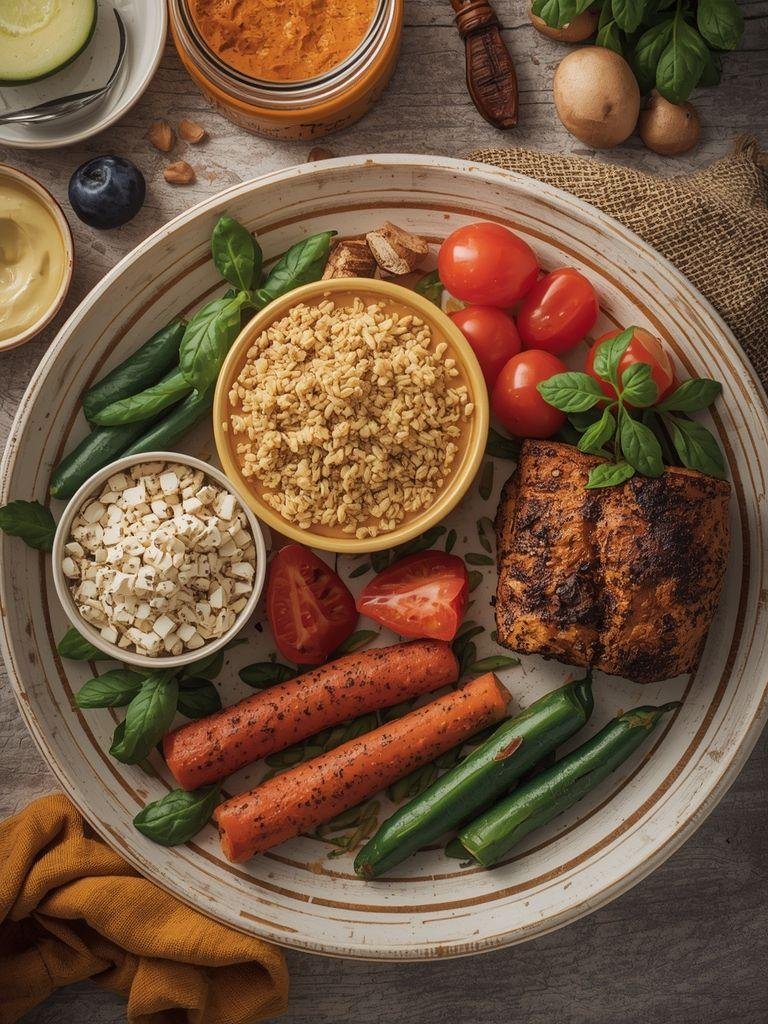
Table of Contents 6
Medical & Editorial Disclaimer (§3 Terms): This article is for informational and educational purposes only, does not constitute medical advice, diagnosis, or treatment, and is used at your own risk. Consult a qualified physician for medical conditions.
The physiological mechanism centers on reducing the intake of compounds that are poorly absorbed in the small intestine and subsequently ferment in the large intestine, often causing gas and pain. The dietary strategy involves an initial elimination phase to identify specific triggers, followed by a controlled reintroduction phase to determine personal tolerance. It is vital to ensure the diet remains balanced to provide all necessary nutrients and prevent potential deficiencies.
For successful implementation, professional guidance is recommended to avoid unnecessary dietary restrictions and ensure nutritional adequacy. Focus should be placed on consuming whole, unprocessed foods such as fresh vegetables, lean meats, fish, and specific grains that are well-tolerated. Adopting these habits supports digestive stability and promotes a sense of well-being in daily life through mindful and informed food choices.
Exploring the low FODMAP diet
A Low FODMAP Diet for the Treatment of Functional Bowel Disorders
Key principles of the low FODMAP diet
Items with a significant quantity of FODMAP components
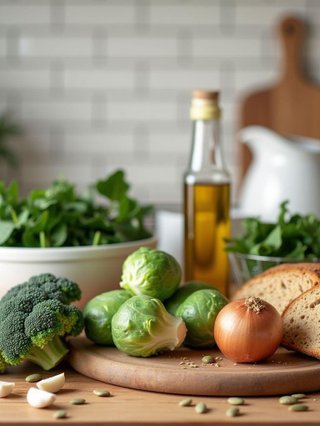
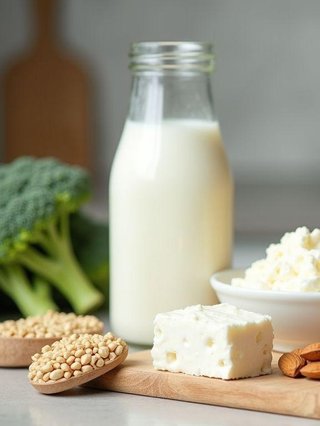
High-FODMAP foods (which must be restricted during the elimination phase) include: allium vegetables (garlic, onions, leeks, shallots), legumes (beans, lentils, chickpeas, soybeans), gluten grains (wheat, rye, barley), fruits rich in excess fructose and polyols (apples, pears, watermelons, plums, cherries), conventional dairy with lactose (cow's milk, cottage cheese, standard yogurt), and polyol sweeteners (sorbitol, xylitol, mannitol, maltitol).
Commodities with a minimal FODMAP content
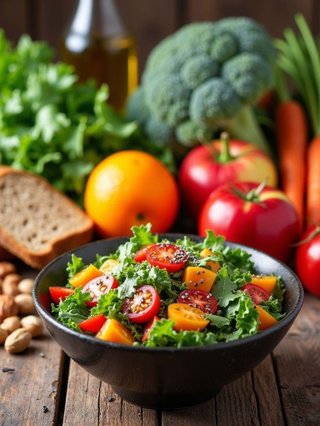
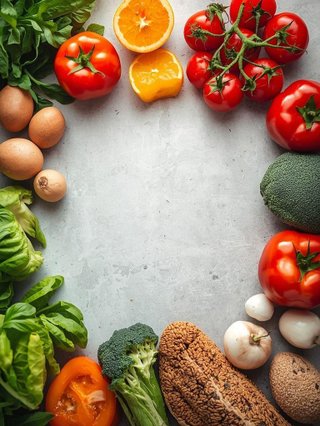
Low-FODMAP foods (safe and recommended for digestive comfort in IBS) encompass: vegetables (carrots, cucumbers, zucchini, tomatoes, spinach, lettuce, bell peppers), fruits (firm green bananas, strawberries, blueberries, oranges, grapes), gluten-free grains (rice, quinoa, buckwheat, certified oats), clean proteins (fresh lean meats, wild fish, eggs, aged firm cheeses, plain firm tofu), and healthy lipids (extra virgin olive oil, rapeseed oil, moderate servings of walnuts).
"Is a low FODMAP diet suitable for everyone?"
Want to apply these guidelines in your daily diet?
Our smart diet generator creates a tailored meal plan in 3 minutes based on the recommendations in this article.

mgr Tim Klein
• 22.03.2026Diets Premium Expert
Diets Premium team expert. Specializes in nutrition plans, strength sports, and training plans.