Wormwood (*Artemisia absinthium*) – medicinal properties, therapeutic application, and role in combating intestinal and systemic parasites
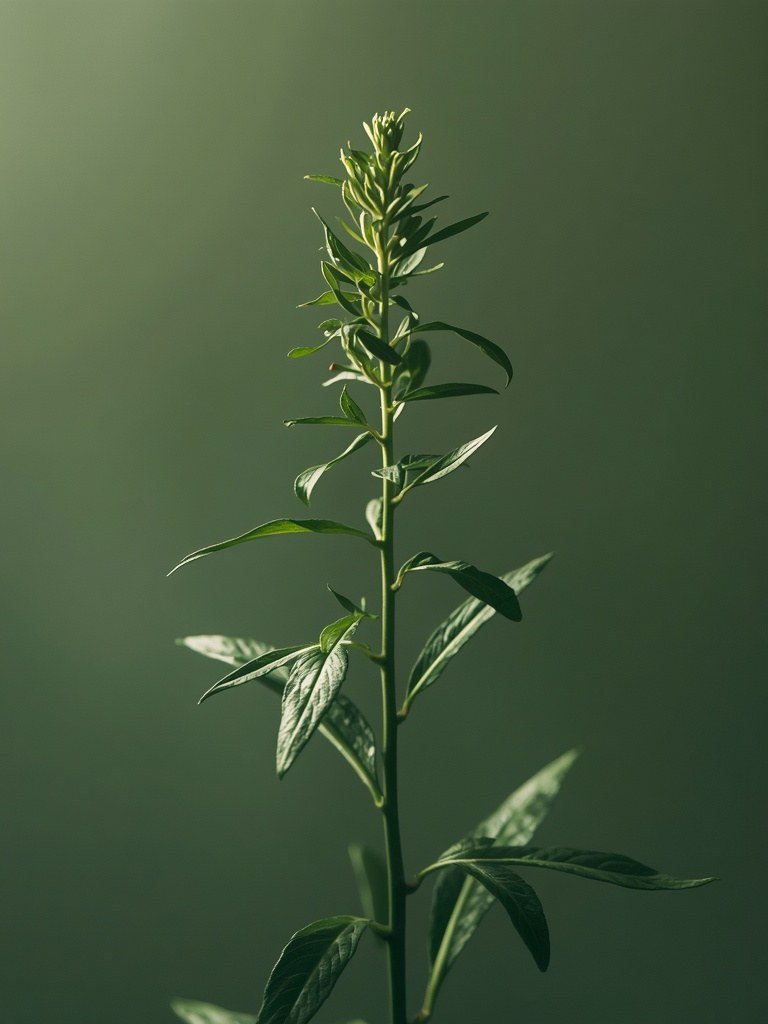
Table of Contents 4
Medical & Editorial Disclaimer (§3 Terms): This article is for informational and educational purposes only, does not constitute medical advice, diagnosis, or treatment, and is used at your own risk. Consult a qualified physician for medical conditions.
The therapeutic efficacy of the plant is driven by bitter glycosides that stimulate digestive secretions, including gastric acid and bile, which may assist in alleviating functional dyspepsia. Beyond digestion, the plant acts as a traditional remedy against intestinal parasites, helping to promote natural clearance. However, the presence of thujone necessitates strict adherence to usage protocols, as this compound can affect the nervous system if consumed in excess or over extended periods.
Practical application requires a disciplined approach, specifically limiting the duration of use to short intervals to prevent potential toxicity. It is imperative to avoid this herb during pregnancy, lactation, or if one suffers from specific gastrointestinal or neurological conditions. By integrating this botanical with care and respecting its potency, individuals can utilize its properties as a supportive measure, provided that all safety guidelines are strictly followed and medical advice is sought beforehand.
Wormwood (Artemisia absinthium), a member of the Asteraceae family, is renowned as one of the most intensely bitter and potent medicinal botanicals in phytotherapy. Its sesquiterpene lactones (chiefly absinthin) profoundly stimulate digestive secretions and exert anti-parasitic actions. Due to neuroactive thujone, strict adherence to therapeutic dosing and treatment durations is essential.
Botanical Identity, Bitter Principles, and Phytochemical Profile of Wormwood
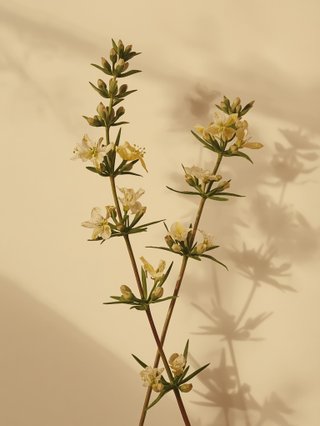
Wormwood is an herbaceous perennial in the family Asteraceae recognizable by its silver-gray, sericeous foliage and penetrating aromatic scent. Its primary bioactive constituents are bitter sesquiterpene lactones—predominantly absinthin and anabsinthin—imparting an extreme bitterness value exceeding 1:15,000. The plant also yields essential oil fractions dominated by alpha- and beta-thujone, anti-inflammatory chamazulene, and flavonoids.
Digestive Mechanisms: Secretagogue Stimulation of Bile and Gastric Acid
Wormwood's bitter glycosides (classified as pure bitters or amara pura) stimulate type-2 bitter taste receptors (TAS2R) on the tongue, triggering vagal reflexes that reflexively surge gastric hydrochloric acid, saliva, pancreatic enzymes, and hepatic bile synthesis. Acting as a potent cholagogue and choleretic, it relieves gastric atony, functional hypochlorhydria, anorexia, and postprandial dyspepsia.
Antiparasitic Efficacy and Antimicrobial Action in the Gut
Wormwood has held an esteemed place in historical ethnopharmacology for eliminating intestinal helminths. Extracts exert substantiated toxic effects against intestinal nematodes (pinworms, roundworms) and protozoans (such as Giardia lamblia), paralyzing parasite motility and promoting natural clearance. Concurrently, chamazulene delivers soothing anti-inflammatory and antifungal support to inflamed intestinal mucosa.
Thujone Neurotoxicity, Strict Dosing Guidelines, and Contraindications
The preeminent safety hazard associated with wormwood is thujone—a monoterpene neurotoxin that acts as a GABA-A receptor antagonist; chronic overdose triggers convulsions, psychiatric distress, and renal damage. Therapeutic courses of wormwood tea (brewed from half a teaspoon per cup) must strictly not exceed 2–3 consecutive weeks. Absolute contraindications include pregnancy (potent abortifacient action), lactation, peptic ulcers, biliary obstruction, and seizure disorders.
Want to apply these guidelines in your daily diet?
Our smart diet generator creates a tailored meal plan in 3 minutes based on the recommendations in this article.

Mia Hoffmann
• 25.11.2026Diets Premium Expert
Diets Premium team expert. Specializes in nutrition plans, strength sports, and training plans.