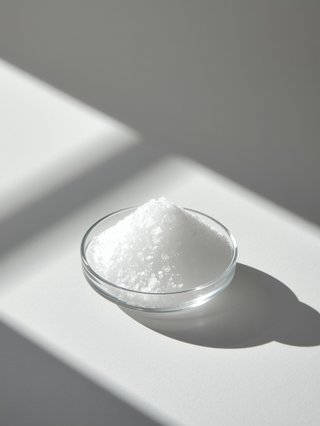
Low sodium content in salt compared to traditional
Table of Contents 3
Medical & Editorial Disclaimer (§3 Terms): This article is for informational and educational purposes only, does not constitute medical advice, diagnosis, or treatment, and is used at your own risk. Consult a qualified physician for medical conditions.
Unlike conventional table salt, which consists primarily of sodium chloride, reduced-sodium alternatives utilize a sophisticated multicomponent mineral profile enriched with essential elements such as potassium and magnesium. These mineral additives actively support electrolyte balance, cellular membrane potential, and fluid homeostasis within the human body. By partially substituting sodium with potassium, these specialized formulations help regulate blood pressure and mitigate the adverse vascular and renal effects associated with high sodium diets.
To successfully integrate low-sodium salt into everyday cooking, it is beneficial to transition gradually so the palate can adapt to the alternative flavor profile. Pairing these mineral salts with fresh herbs and aromatic spices enhances the natural taste of meals without requiring excessive seasoning. Embracing this mindful approach to dietary sodium empowers individuals to foster better cardiovascular habits and support sustainable, long-term wellness.
Compositional and functional profile of hydrogen-minimized dietary salt: a structural and nutritional assessment
Conventional table salt, chemically identified as sodium chloride (NaCl), constitutes a uniform crystalline compound devoid of supplementary nutritional components. In contrast, **low-sodium salt formulations** embody a multicomponent system wherein sodium chloride is complemented by strategically incorporated mineral compounds. The principal additives include: **potassium chloride (KCl)**, which serves as a sodium substitute and contributes to blood pressure regulation; **magnesium carbonate (MgCO₃)**, which supports neuromuscular and enzymatic functions; and **potassium iodide (KI)**, an essential trace element for thyroid hormone synthesis. This modified composition not only mitigates daily sodium intake—a well-documented risk factor for hypertension and cardiovascular diseases—but also addresses prevalent micronutrient deficiencies in contemporary diets, particularly **potassium insufficiency**, whose optimal levels are linked to improved metabolic health outcomes.
When to use reduced-sodium salt: Key indications and precautions
Reduced-sodium salt: health benefits and potential limitations in dietary applications
Want to apply these guidelines in your daily diet?
Our smart diet generator creates a tailored meal plan in 3 minutes based on the recommendations in this article.
Tags

Laura Schneider
• 25.11.2026Diets Premium Expert
Diets Premium team expert. Specializes in nutrition plans, strength sports, and training plans.