In recent years, there has been a significant rise in metabolic disorders, which are directly linked to the adverse effects of environmental factors on human health. Previously, such conditions were predominantly associated with adults. However, they are now increasingly diagnosed in children and adolescents as well. Among the most serious health risks are metabolic syndrome, type 2 diabetes, obesity, and hypertension.
03 / 04
Obesity in children
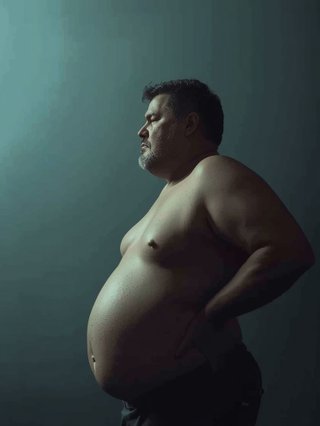
Obesity and overweight are a problem for an increasing number of young people. Obesity is currently considered a state of pathological increase in body fat relative to lean body mass. It leads to impaired bodily functions and increased risk of morbidity and mortality. In children and adolescents, body fat content depends on age and sex. Obesity and overweight in people under 18 years of age are a civilizational problem; their prevalence is even called an epidemic. Over the past 25 years, the incidence of overweight and obesity in children aged 6–11 years has doubled, and in those aged 12–17 years, it has tripled. Obesity is divided into two types based on the distribution of body fat using waist and hip circumference measurements. These two types are visceral and gluteofemoral. The first is abdominal obesity, colloquially known as apple-shaped obesity. It is characterized by a large abdomen and relatively slender legs. Abdominal obesity is more common in boys. Its future complications are a very high probability of developing hyperlipidemia, type 2 diabetes, arterial hypertension, and atherosclerosis. The second type of obesity is gluteofemoral (or pear-shaped type), characterized by the accumulation of adipose tissue in the gluteal area and lower limbs, especially the thighs. Pear-shaped obesity increases the risk of uterine, breast, ovarian, and gastrointestinal cancer in the future. In children, the majority (up to 95%) have simple obesity. The main cause is a positive energy balance in the diet. This means the child eats too much food relative to the energy used in daily activities. Environmental factors are often also causes of simple obesity. A "sedentary lifestyle," also called "couch potato," is characterized by children consuming large amounts of high-calorie food, which is too much compared to their body's needs, and low physical activity, spending significant time in front of the television or computer. Test results indicate a genetic predisposition to obesity. They have shown that obesity occurs in 2/3 of children if both parents are obese, in 1/2 if only one parent is obese, and in only 9% of children whose both parents are thin. Obesity is not inherited through a single gene. Obesity genes occur in humans in various combinations. A map of obesity genes is currently being created by geneticists. Dozens of genes that have significant importance in the development of obesity have already been isolated. Excess body weight in children is extremely dangerous for them because:
impair their biological, psychological, educational, and social development. Obese children are ostracized by peers, are not treated equally to fitter, slimmer children, often have problems with low self-esteem, increase the risk of complications such as arterial hypertension, impaired glucose tolerance, and type 2 diabetes, children often also develop sleep apnea, and due to the collarbone's inability to support a massive body, problems with the lower limbs occur, which can become curved and slightly deformed under the influence of the child's large mass, deformations also occur in spine, knees, and flat feet appear, obese girls mature visually faster than their peers, but menstrual disorders also occur more often in them, obesity contributes to the development of insulin resistance and metabolic syndrome in children, which includes disorders such as: hyperinsulinemia, dyslipidemia, hyperglycemia, increased tendency to blood clots, and many other disorders beyond its definition. Obesity in children is diagnosed using percentile charts. According to these charts, children with overweight are divided into obese and overweight-predisposed children. Obesity can also be classified using BMI (although this is more of an indicator of adult obesity). An increase in BMI of 20–40% is defined as overweight, 40–60% as obesity, and all values above 60% are already a sign of severe obesity. If a child has obesity or severe obesity, treatment is necessary. The sooner the child receives help, the better. Treating obesity primarily involves changing eating habits. Effective treatment of obesity in children is extremely difficult. It requires the cooperation of a team of doctors: a dietitian, pediatrician, psychologist, and sometimes a physical therapist. The child must be made aware during every visit why changing eating habits, lifestyle, and having a positive mindset is so important in the fight against the disease. The child's physical activity should be increased; it is good to enroll them in extracurricular activities, and they should not be issued exemptions from physical education classes. A crucial element in treating a sick child is psychological support. Obese children, as I mentioned earlier, have low self-esteem and are discriminated against or not accepted by their peer group. Obesity seriously lowers the quality of young people's lives. The older the child, the more appearance becomes important. The level of motivation of the child and family to achieve the intended results is a key element in the success of treatment. Regarding dietary treatment, a restrictive weight-loss diet is not recommended. The amount and quality of fats consumed should be modified. Attention should also be paid to the appropriate way of preparing dishes; frying, adding roux to soups, and pouring thick sauces over meat should be avoided. The child's intake of vegetables and fruits should be increased; the former are particularly important because they do not contain many simple sugars and are also characterized by a high content of dietary fiber. Small goals should be set in the fight against obesity, as this supports the will to fight the disease. The small steps method shows the child the results of their work with each visit to the dietitian.
Want to apply these guidelines in your daily diet?
Our smart diet generator creates a tailored meal plan in 3 minutes based on the recommendations in this article.