Lavender Elixir for Skincare: Properties and Homemade Production of Lavandula angustifolia Flower Oil for Skin and Hair
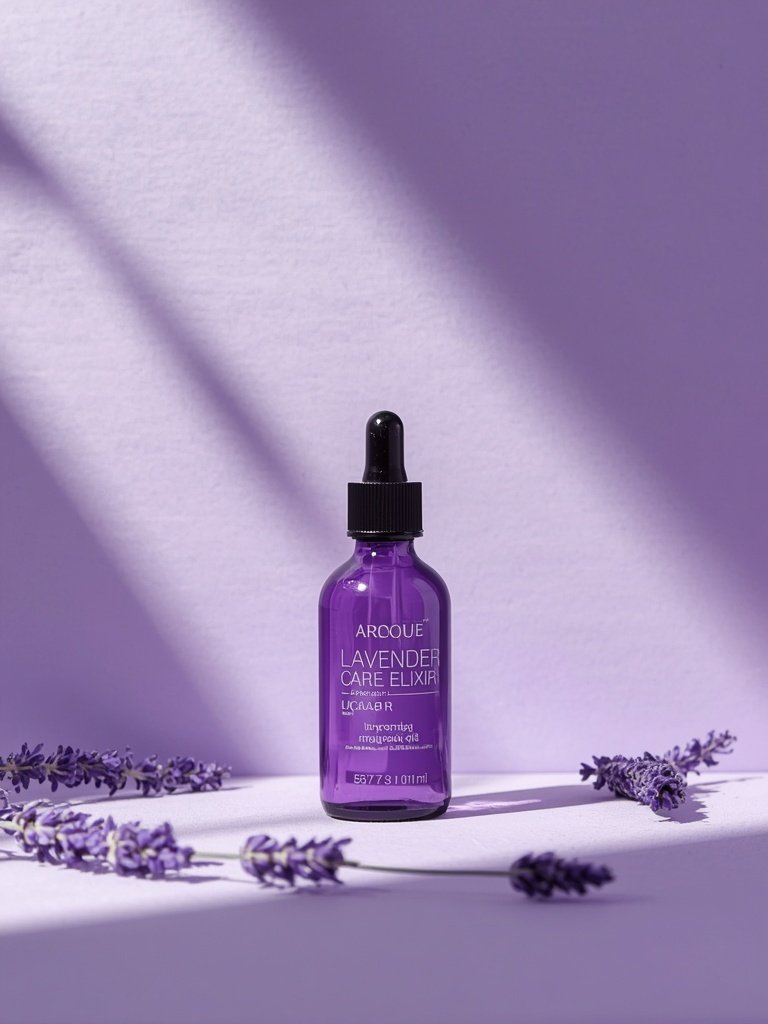
Table of Contents 4
Medical & Editorial Disclaimer (§3 Terms): This article is for informational and educational purposes only, does not constitute medical advice, diagnosis, or treatment, and is used at your own risk. Consult a qualified physician for medical conditions.
Physiologically, the oil functions through bioactive constituents that support anti-inflammatory and antimicrobial processes. On the skin, it helps balance sebum production and soothe irritation, while on the scalp, it may enhance microcirculation to support follicle vitality. Furthermore, the inhalation of its aromatic compounds interacts with the central nervous system, contributing to a reduction in stress-related tension and promoting an overall sense of calm.
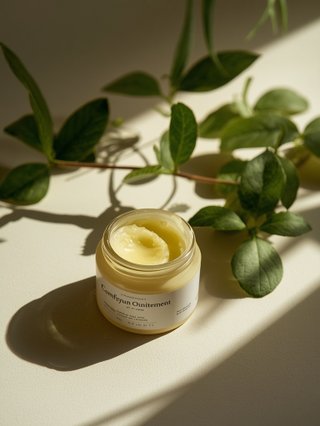
For practical application, creating a homemade lavender macerate is a rewarding process that preserves the integrity of the plant's therapeutic properties. By submerging dried flowers in a high-quality carrier oil and allowing for a gentle extraction period, one can produce a potent elixir for daily use. This preparation can be integrated into one's routine through scalp massages or by incorporating small amounts into facial moisturizers, providing a natural way to support the skin's hydro-lipid mantle and overall hair health.
The aromatic essence derived from the delicate inflorescences of narrow-leaved lavender (Lavandula angustifolia), a plant indigenous to Mediterranean climates, is distinguished by its exceptional bioactive profile. What sets this essential oil apart from its counterparts? Primarily, its remarkable versatility—it stands among the select few oils that may be applied neat, or undiluted, directly onto the epidermis. What specific advantages does it offer for daily facial skincare and hair maintenance routines? Furthermore, is there a viable method by which individuals can produce this oil independently while preserving the full spectrum of its therapeutic benefits?
Bioactive properties of lavender oil
Lavender essential oil (derived from Lavandula angustifolia) is one of the most versatile and extensively researched botanicals in phytotherapy. Its primary active constituents—linalool and linalyl acetate—confer pronounced sedative, anxiolytic, analgesic, and antimicrobial properties. Linalool acts directly on GABA-A receptors within the central nervous system, reducing autonomic sympathetic tone and alleviating stress-induced tension. Furthermore, lavender oil exhibits broad-spectrum antibacterial and antifungal activity, accelerating epidermal re-epithelialization and soothing cutaneous irritations.
Lavender oil for facial skincare and blemish control
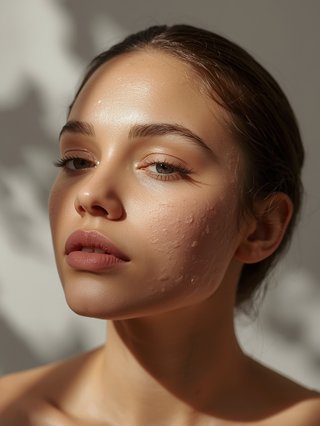
In dermatological skincare, lavender oil provides balanced nourishment for both sensitive and acne-prone complexions. Its anti-inflammatory nature soothes erythema and swelling associated with inflammatory papules, while its bactericidal properties suppress Cutibacterium acnes. Furthermore, lavender oil regulates sebaceous gland hyperactivity without causing dehydration, restoring the skin's hydro-lipid mantle. Adding a diluted drop to daily moisturizers enhances microvascular circulation, evens complexion tone, and supports cellular regeneration to prevent post-inflammatory scarring.
Lavender oil for hair follicle stimulation and scalp health
Lavender oil provides remarkable benefits for hair density and scalp health. Preclinical studies indicate that topical lavender formulations accelerate hair follicle transition into the anagen (growth) phase, significantly increasing follicle depth and hair thickness. Its antifungal properties effectively eradicate Malassezia species responsible for seborrheic dermatitis and stubborn dandruff. Massaging diluted lavender oil into the scalp 20 minutes prior to washing enhances microcirculation to hair roots, strengthens the hair shaft, and imparts a healthy shine.
How to prepare a homemade lavender macerate oil
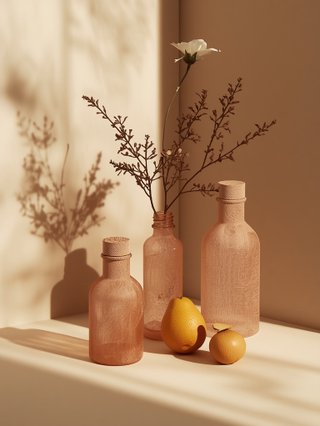
Preparing a therapeutic lavender oil macerate at home is a simple and rewarding process. Fill a clean, dry glass jar halfway with dried organic lavender flowers (Lavandula angustifolia) and submerge them completely in a stable, cold-pressed carrier oil such as sweet almond, jojoba, or refined olive oil. Seal the jar tightly and place it in a warm, indirect sunlight location for 3 to 4 weeks, gently shaking the container daily to encourage optimal lipid extraction. Once matured, strain the oil through fine cheesecloth into a sterilized dark amber glass bottle, storing it in a cool, dark cabinet for daily cosmetic and massage use.
Want to apply these guidelines in your daily diet?
Our smart diet generator creates a tailored meal plan in 3 minutes based on the recommendations in this article.
Tags

Laura Schneider
• 25.11.2026Diets Premium Expert
Diets Premium team expert. Specializes in nutrition plans, strength sports, and training plans.