Kale – the green superfood: nutritional values, health benefits, and culinary recipes


Table of Contents 6
Medical & Editorial Disclaimer (§3 Terms): This article is for informational and educational purposes only, does not constitute medical advice, diagnosis, or treatment, and is used at your own risk. Consult a qualified physician for medical conditions.
From a physiological perspective, kale delivers substantial concentrations of phylloquinone, vitamin C, and beta-carotene, complemented by bioactive carotenoids like lutein and zeaxanthin as well as sulfur-containing glucosinolates. The article examines how specific culinary techniques enhance nutrient bioavailability: pairing blanched leaves with cold-pressed olive oil and nuts in a savory pesto facilitates the intestinal absorption of fat-soluble vitamins, whereas high-speed blending in smoothies mechanically shears tough cellulose walls to release intact enzymes and chlorophyll without thermal degradation.
Incorporating kale into daily meals can be achieved through diverse preparations, ranging from thoroughly dried, oven-crisped chips that replace deep-fried snacks to refreshing green smoothies and hearty Tuscan-style white bean stews that provide a balanced amino acid profile. When preparing raw salads, gently massaging the stripped leaves with olive oil and lemon juice naturally tenderizes their fibrous texture, while mindful culinary adjustments allow individuals with thyroid sensitivities to enjoy cruciferous greens comfortably.
Kale (Brassica oleracea var. sabellica) is one of the oldest and most nutrient-dense cruciferous vegetables in culinary history. Once overlooked as a humble garnish, kale has rightfully earned its status as a cornerstone of preventive and clinical nutrition. Boasting an extraordinarily low caloric load alongside exceptional concentrations of vitamins C, K, and A, powerful carotenoids (lutein, zeaxanthin), and chemopreventive glucosinolates (sulforaphane precursors), kale provides profound antioxidant and cardioprotective support. Discover the evidence-based health attributes of kale and delicious culinary preparations: from oven-crisped chips and savory pestos to revitalizing smoothies and comforting soups.
Kale – exceptional nutrient density, vitamins, and bioactive glucosinolates
Kale consistently ranks at the very pinnacle of the Aggregate Nutrient Density Index (ANDI) across all cultivated plant foods. A 100-gram serving of fresh raw leaves supplies merely 35–45 kcal while providing 3–4 g of prebiotic dietary fiber and almost 3 g of plant protein. Naturally free of cholesterol and virtually devoid of saturated fat, it serves as a concentrated reservoir of micronutrients.
Most notably, kale represents an exceptional source of vitamin K1 (phylloquinone), providing over 500% of the recommended daily intake per 100 g. Vitamin K is essential for hepatic synthesis of clotting factors and carboxylation of osteocalcin, directing calcium deposition into bone matrix. Furthermore, kale delivers over 120 mg of ascorbic acid (vitamin C) per 100 g – significantly surpassing citrus fruits – bolstering endogenous collagen biosynthesis and immunocompetence. The rich carotenoid complex (lutein, zeaxanthin, beta-carotene) selectively concentrates in the ocular macula, guarding photoreceptor cells against photo-oxidative degradation.
Crucially for plant-based nutrition, kale is an outstanding source of bioavailable dietary calcium (~150 mg/100 g). Unlike spinach, kale contains minimal oxalic acid, enabling calcium absorption rates exceeding 50%. Additionally, cruciferous glucosinolates (particularly glucoraphanin) hydrolyze into sulforaphane, a bioactive isothiocyanate that activates the Nrf2 pathway and upregulates hepatic phase II detoxification enzymes.
Crispy baked kale chips – a nutrient-dense alternative to processed snacks
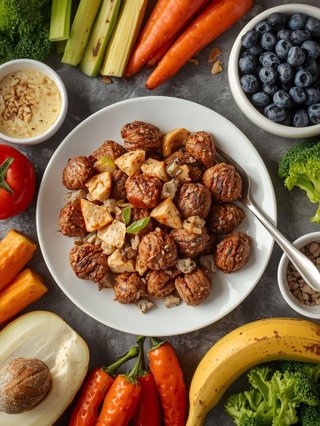
Oven-baked kale chips represent a flavorful, satisfying gateway for incorporating cruciferous greens into the diet, offering an exceptional nutrient-rich replacement for deep-fried potato chips.
Preparation Guidelines for Maximum Crispness:
- Leaf Selection and Dehydration: Wash the kale thoroughly and strip the tender ruffled leaves away from the fibrous central stems. Tear leaves into bite-sized pieces. Thorough drying with a salad spinner and clean paper towels is essential; any residual surface moisture will cause steaming rather than crisping.
- Seasoning and Massaging: Drizzle with 1–2 tablespoons of cold-pressed extra virgin olive oil. Gently massage the leaves with your hands to distribute a thin, uniform lipid coating over every fold. Season with sea salt, smoked paprika, garlic powder, or nutritional yeast for a savory umami-rich flavor.
- Low-Temperature Convection Baking: Arrange the seasoned leaves in a single, uncrowded layer on a parchment-lined baking sheet. Bake at 140–150°C (285–300°F) for 10–12 minutes. Monitor carefully toward the end; the chips should be brittle and crisp without turning brown, as overbrowning generates unpleasant bitterness.
Artisanal kale pesto – optimizing the bioavailability of fat-soluble vitamins
Kale pesto represents a seamless union of gastronomy and nutritional biochemistry. Vitamin K and Provitamin A (beta-carotene) are fat-soluble micronutrients requiring dietary lipids for micellar incorporation and mucosal absorption in the proximal jejunum. Incorporating cold-pressed extra virgin olive oil and nuts maximizes systemic bioavailability.
Nutrient-Dense Recipe Formulation:
- 200 g fresh kale leaves (blanched for 60 seconds in boiling water and shocked in ice water to soften cellular walls and stabilize chlorophyll)
- 50 g lightly toasted walnuts or pine nuts (supplying omega-3 ALA and essential zinc)
- 2 cloves fresh garlic (providing allicin and prebiotic sulfur compounds)
- 50 ml extra virgin olive oil (rich in monounsaturated oleic acid)
- 30 g freshly grated Parmigiano Reggiano or fortified nutritional yeast
- Fresh lemon juice, sea salt, and freshly cracked black pepper
Pulse the ingredients in a food processor until a rich, textured paste forms. This versatile pesto pairs exceptionally well with whole-grain pasta, quinoa bowls, roasted root vegetables, or as a nutrient-dense spread on artisanal sourdough bread.
Green antioxidant kale smoothie – natural energy and micronutrient revitalization
A morning green smoothie built around fresh kale leaves delivers an immediate infusion of intact live plant enzymes, chlorophyll, and polyphenolic antioxidants. High-speed blending mechanically shears tough cellulose plant walls, dramatically improving cellular nutrient release without thermal degradation.
Synergistic Vitality Blend:
- A generous handful of young kale leaves (stems removed)
- 1 crisp green apple or ripe pear (providing soluble pectin and balanced sweetness)
- Half a ripe banana or slice of avocado (imparting creaminess, healthy monounsaturated fat, and potassium)
- 1 cm fresh ginger root (for anti-inflammatory and digestive stimulation)
- Fresh juice of half a lemon (the citric and ascorbic acids enhance non-heme plant iron absorption threefold)
- 1 cup pure coconut water or filtered spring water
Blending until silken yields an alkalizing, hydrating functional beverage that supports intestinal peristalsis, provides steady cellular energy, and avoids sharp postprandial insulin spikes.
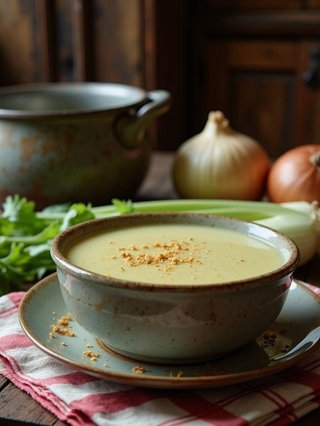
Nourishing Tuscan kale and white bean soup (Ribollita style)
In traditional Mediterranean culinary medicine, kale has long served as the centerpiece of hearty, restorative legume stews, most celebrated in the Tuscan classic Ribollita. Combining cruciferous greens with dietary legumes generates a nutritionally complete plant-based meal offering balanced essential amino acids, soluble fiber, magnesium, and slow-release complex carbohydrates.
Culinary Preparation: In a heavy-bottomed pot, gently sauté a classic soffritto of diced onions, carrots, celery, and garlic in extra virgin olive oil. Add cooked white cannellini beans, crushed plum tomatoes, and rich vegetable broth. Simmer for 15 minutes to allow flavors to meld. In the final 5–7 minutes of cooking, fold in shredded kale leaves, allowing them to tenderize while maintaining their emerald hue and vital nutrients. Serve with a finishing drizzle of cold-pressed olive oil and fresh rosemary for an immune-fortifying comfort dish.
Summary and dietary recommendations: making kale a staple of daily nutrition
Kale stands out as one of the most versatile and physiologically advantageous botanicals available for daily preventive nutrition. Whether enjoyed raw in tenderized salads (massaging leaves with olive oil and lemon juice breaks down fibrous cellulose), blended into vibrant smoothies, pounded into savory pesto, or simmered in stews, kale delivers an uncompromised density of micronutrients.
From a clinical standpoint, individuals with thyroid sensitivities (such as hypothyroidism or Hashimoto’s thyroiditis) can enjoy kale safely by employing light steaming (3–5 minutes), which thermally inactivates heat-labile goitrogenic glucosinolates without depleting stable carotenoids or minerals. By incorporating kale 2–3 times weekly, one establishes robust antioxidant defense mechanisms supporting cardiovascular, skeletal, and ocular longevity.
Want to apply these guidelines in your daily diet?
Our smart diet generator creates a tailored meal plan in 3 minutes based on the recommendations in this article.

Laura Schneider
• 25.11.2026Diets Premium Expert
Diets Premium team expert. Specializes in nutrition plans, strength sports, and training plans.