Are Depressive Disorders Linked to Nutrition?


1 photo
2549
Smart Voice
AI
0:00
0:00
Listen to the article content live
Table of Contents 5
PRO Content
PRO
This article is professional premium content (PRO) provided in its entirety.
Depressive disorders are the most commonly occurring mental disorders. Currently, over 350 million people suffer from depression. This mental illness affects all age groups, however, it most commonly occurs in elderly individuals, and more frequently in women than men. Depression causes those affected to be unable to function normally. It is the third most common cause of disability. Can proper nutrition aid in the fight against depression? Can an unhealthy diet be the cause of it? How can symptoms of depression be recognized?
01 / 05
What is Depression – Definition, Symptoms and Categorization
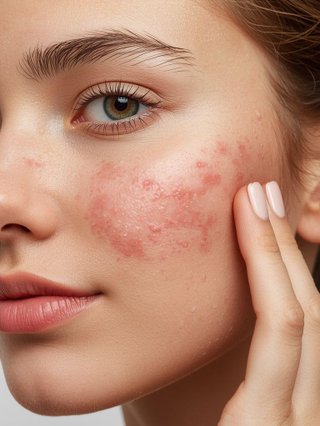
Depression is a disease that affects both the mental and the physical spheres. Depressive symptoms without proper treatment can increase the risk of somatic illnesses, and conversely, somatic diseases can cause depression. Prevention is very important to prevent and detect depressive disorders at an early stage, as well as treatment. Risk factors for depression include genetic susceptibility, environmental factors, abnormal levels of pro-inflammatory cytokines in the body, and disruption of the gut microbiota. Symptoms of depression include: loss of joy, feeling of emptiness, sadness, irritability, mood swings, fatigue, loss of appetite or increased appetite, weight changes, sleep disturbances, concentration difficulties, pessimistic thoughts about the future, including suicidal thoughts, decreased libido, constipation, menstrual disorders, skin problems. Depression can be caused by nutrient deficiencies, therefore laboratory tests are very important to detect potential deficiencies. A potential deficiency in vitamin B9 or B12 can be seen in the morphology as increased MCV (mean corpuscular volume) and increased homocysteine levels. Depression can be divided into several categories, including mild depression, moderate depression, and severe depression. There are many potential causes of depression, including existing diseases or medication use.
02 / 05
The theory of depression caused by inflammatory state
The immune system plays a crucial role in the proper functioning of the body. Its activation is a desired response to stress factors such as diseases, infections, injuries, and psychosocial problems. However, if the body's response is not controllable and is excessively strong relative to the stimuli, it can lead to a chronic inflammatory state in the body. This increases the level of proinflammatory cytokines and the risk of chronic diseases, including depression. The increase in the level of proinflammatory cytokines in the body and the excessive activity of the hypothalamic-pituitary-adrenal axis lead to a disturbance in the kynurenine metabolic pathway, resulting in the formation of toxic substances for nerve cells. Additionally, the amount of available tryptophan, which is necessary for the production of the neurotransmitter serotonin responsible for regulating sleep, appetite, blood pressure, body temperature, and libido, decreases.
03 / 05
Nutrient deficiencies and depression
Depression can be triggered by a lack of nutrients, such as vitamins B12, D, and folic acid (vitamin B9), as well as by a deficiency of unsaturated fatty acids in the diet. Deficiencies in vitamins B9 and B12 can lead to impaired nervous system function, the synthesis of neurotransmitters such as serotonin, and an increase in homocysteine levels in the blood. Excess homocysteine can negatively affect the synthesis of neurotransmitters and contribute to the development of depression. A deficiency in vitamin B9 can lead to impaired nervous system function, which can manifest as increased excitability and sleep disorders. A deficiency in vitamin B1 can lead to symptoms characteristic of people with depression, such as memory disorders, difficulty concentrating, and emotional disorders. Deficiencies in vitamins B2 and B3 can cause dizziness and insomnia. Vitamin D has a preventive and therapeutic effect on psychological disorders such as depression. Macro- and micronutrients such as zinc, copper, iron, and selenium are also attributed with an antidepressant effect. In a study by Nowak G., Szewczyk B., and Pilca A., it was shown that enriching medications with zinc improved the effectiveness of treating people with depression by reducing symptoms. Supplementation with mineral or vitamin components can only be considered in individual cases of deficiency.
04 / 05
Diet and its impact on depression
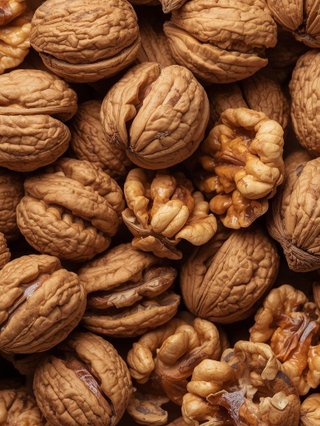
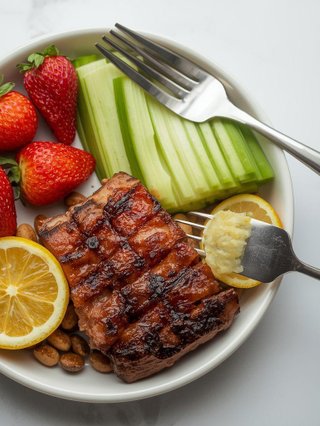
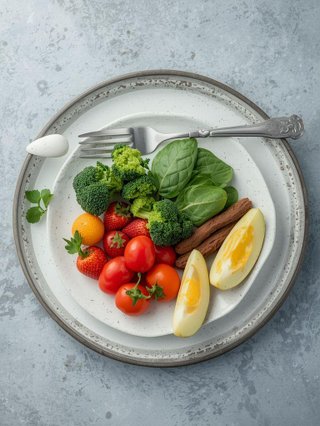
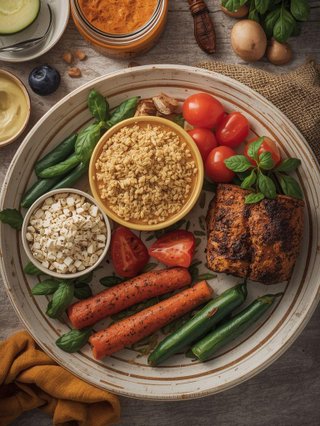
The primary methods of treatment for depressive disorders are pharmacology and psychotherapy, but equally important is the change in lifestyle, dietary habits and physical activity habits. It is also worth considering an individual supplementation aimed at restoring normal gut microbiota, reducing inflammation in the body and improving neurotransmitter synthesis. A diet rich in B vitamins, omega-3 fatty acids, magnesium, zinc, iron, iodine and copper can have a positive impact on the course of depression. Furthermore, adequate consumption of products rich in tryptophan, such as whole grain products, fish, eggs, meat, nuts and oilseeds, can help prevent deficiencies of this amino acid, which can have a positive impact on emotional balance. Studies have also shown that the consumption of processed foods, sweetened products and frozen foods is associated with a higher risk of depression, while a diet based on products rich in vitamins and minerals can have a positive effect on the course of depression.
05 / 05
Physical activity as a tool in the treatment of depression
Physical activity, tailored individually to the needs and capabilities of individuals with depression, is an effective tool for preventing and treating this disorder. Any form of physical activity brings benefits, however, strength and endurance training are the most effective in reducing depression symptoms. Due to their neuroplastic effect, strength training and cardio workouts have a positive impact on people with depression and older people with cognitive impairments. Improving the health of individuals with depression, however, requires a comprehensive approach, which includes psychotherapy, pharmacotherapy, dietary changes, and incorporating physical activity. It is also important not to overlook the necessity of sleep hygiene, which is a crucial factor for physical and mental health. Collaboration between specialists from various fields is essential in the fight against depression.
Meal Plan
Want to apply these guidelines in your daily diet?
Our smart diet generator creates a tailored meal plan in 3 minutes based on the recommendations in this article.

Scientifically reviewed by a clinical dietitian
• 23.03.2026
Depression and Other Common Mental Disorders: Global Health Estimates, Genewa 2017. Glibowski P., Misztal A., Wpływ diety na samopoczucie psychiczne, „Bromatologia i Chemia Toksykologiczna” 2016, 49(1), 1–9. Nowak G., Szewczyk B., Pilc A., Zinc and depression. An update, „Pharmacological Reports” 2005, 57(6), 713–718. Huang R. et al., Effect of Probiotics on Depression: A Systematic Review and Meta-Analysis of Randomized Controlled Trials, „Nutrients” 2016, 8(8), 483. Koszowska A., Dittfeld A., Zubelewicz-Szkodzińska B., Psychologiczny aspekt odżywiania oraz wpływ wybranych substancji na zachowania i procesy myślowe, „Hygeia Public Health” 2013, 48(3), 279–284. Marcus M. et al., Depression. A global Public health Concern, who.int/mental_health/management/depression/who_paper_depression_wfmh_2012.pdf (5.06.2019). Morawska J., Zrozumieć depresję – część 1: wprowadzenie do tematu zaburzeń depresyjnych, „Food Forum” 2018, 6(28), 61–64. Morawska J., Zrozumieć depresję – część 2: dlaczego dieta przeciwzapalna może pomóc w walce z depresją?, „Food Forum” 2019, 1(29), 82–85. Stefańska E. et al., Czy zwyczajowy sposób żywienia pacjentów z depresją wymaga suplementacji witaminami i składnikami mineralnymi?, „Psychiatria Polska” 2014, 48(1), 75–88.
Diets Premium Expert
Diets Premium team expert. Specializes in nutrition plans, strength sports, and training plans.
USDA FoodData Central
EFSA
PubMed Clinical Guidelines