2 min read

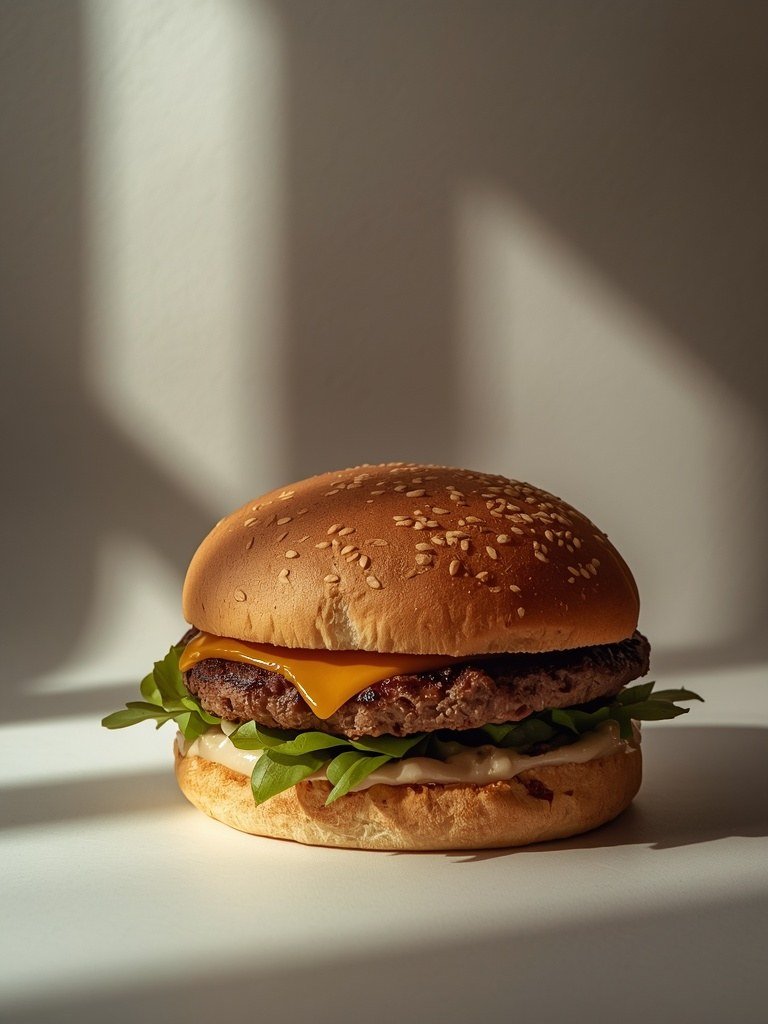
How to control a ravenous appetite for food?
Clinical review: Max Müller
How to control a ravenous appetite for food?
1 photo
734
Smart Voice AI
0:00
0:00
Listen to the article content live
Table of Contents 4

Medical & Editorial Disclaimer (§3 Terms): This article is for informational and educational purposes only, does not constitute medical advice, diagnosis, or treatment, and is used at your own risk. Consult a qualified physician for medical conditions.

Clinical E-Books & Diet Plans: Explore E-Books & Plans →
Key Takeaways
Mastering ravenous food cravings is a fundamental step toward achieving a sustainable balance between physical health and mental well-being. Rather than relying on willpower or restrictive dieting, this approach emphasizes understanding the biological signals our bodies send. By learning to interpret these cues, individuals can maintain a lean physique and enjoy nutritional freedom without the psychological burden of constant self-deprivation.

Physiologically, intense cravings are often driven by rapid fluctuations in blood glucose and the subsequent neurochemical response in the brain. When high-glycemic intake causes a sharp spike and crash in energy, the hypothalamus triggers urgent signals for caloric replenishment. Stabilizing these internal cycles involves strategic nutrient pairing, such as combining proteins with fiber, which helps regulate satiety hormones like leptin and hunger-inducing ghrelin, effectively quieting the overactive reward system.

Practical daily management focuses on appetite awareness training and reconnecting with intuitive eating patterns. By distinguishing between genuine somatic hunger and emotional triggers, one can respond to the body's needs with precision rather than impulse. Avoiding extreme caloric restriction and abandoning the moral labeling of foods helps rebuild body trust, ensuring that eating remains a nourishing and controlled experience that supports long-term health and vitality.
Linda W. Craighead, author of "How to manage ravenous craving for food? Practical guide" asserts that by following a few basic tips, we can learn to listen and understand our bodies. We'll learn what, when, and how much we can consume to enjoy a lean figure without feeling unnecessary self-restriction.
01 / 04

Appetite Awareness Training and Intuitive Eating: Physiological Fundamentals of Hunger Regulation

The foundational premise of Appetite Awareness Training and Intuitive Eating lies in reconnecting with innate, evolutionary mechanisms of hunger and satiety regulation. In an unconditioned state, much like an infant who instinctively cries for nourishment and immediately discontinues feeding once physiologically replete, the human body possesses a highly sophisticated neuroendocrine signaling network. The core objective is cultivating the ability to accurately interpret interoceptive cues—such as mechanical stomach emptiness and circulating glucose shifts—rather than subjugating appetite to rigid, external dietary rules.

Individuals struggling with recurrent bouts of ravenous overeating often exhibit desensitized responsiveness to biological satiety following years of restrictive dieting. Systematic appetite training restores this sensitivity through guided mindful inquiry: What specific stimuli initiate the impulse to eat? What visceral markers identify genuine hunger versus habitual stimulation, and what somatic sensations signal comfortable fullness? Re-establishing this connection transforms food intake from an anxiety-inducing battleground into an intuitive, self-regulating biological process.

02 / 04

Physiological Hunger vs. Emotional Hunger: Clear Criteria to Distinguish Biological Need from Cravings

Effectively curtailing ravenous eating episodes requires mastering the clinical distinction between physiological hunger and emotional appetite. Authentic somatic hunger emerges gradually over hours, manifesting through peripheral physiological indicators such as epigastric contractions, mild lightheadedness, or declining focus. Crucially, biological hunger is adaptable—it can be fully satiated by virtually any nutrient-dense whole food, leaving the individual satisfied without accompanying guilt.

Conversely, emotional hunger arrives with sudden, overwhelming urgency. Driven by elevated cortisol and acute dopaminergic craving rather than caloric deficit, it typically demands highly palatable, hyper-rewarding foods rich in refined carbohydrates and industrial fats. Emotional eating frequently persists past visceral fullness, giving rise to immediate distress and remorse. Implementing a validated 1-to-10 Hunger-Satiety Scale enables individuals to objectively assess their state before opening the pantry, eating mindfully between level 3 (moderately hungry) and level 7 (comfortably satisfied).

03 / 04

Evidence-Based Strategies for Blood Glucose Stabilization and Acute Craving Impulse Control

From a neurochemical perspective, ravenous cravings are frequently driven by rapid postprandial glucose fluctuations and reactive hypoglycemia. Ingesting high-glycemic carbohydrates triggers an exaggerated surge of insulin, precipitating a swift crash in blood sugar that sends urgent distress signals to the hypothalamus demanding immediate caloric intake. The dietary cornerstone for resolving this volatility is optimal macronutrient pairing: combining high-quality protein (20–30 g per meal), viscous soluble dietary fibers, and unrefined lipids (such as extra virgin olive oil, nuts, or avocado) to decelerate gastric transit and induce prolonged satiety peptide release.

To neutralize acute non-homeostatic cravings, the cognitive-behavioral method of 'urge surfing' is exceptionally effective. Rather than fighting the intrusive impulse, one observes the sensation with mindful detachment, knowing that dopaminergic craving waves peak within 10 to 15 minutes before attenuating. Combining this mental pause with somatic re-grounding—such as drinking a large glass of water, engaging in slow diaphragmatic breathing to lower sympathetic drive, or stepping away from food cues—effectively dismantles compulsive eating loops.

04 / 04

Building a Sustainable Relationship with Food: Overcoming Chronic Dieting and Cultivating Body Trust

Chronic, severe caloric restriction represents the foremost clinical precursor to rebound binge eating. When the human brain perceives prolonged starvation, it activates potent evolutionary defense mechanisms: circulating leptin drops precipitously, plasma ghrelin escalates, and the mesolimbic dopamine reward system becomes hyper-sensitized to energy-dense food cues. Escaping this cycle demands abandoning dichotomous 'good versus bad' food moralizing in favor of balanced, structured nutritional flexibility—such as adhering to an 80/20 nutrient density model.

Furthermore, lifestyle factors such as chronic sleep deprivation and psychological distress exert profound hormonal control over appetite. Suboptimal sleep impairs prefrontal inhibitory control while elevating circulating endocannabinoids and cortisol, drastically magnifying hedonic hunger. Restoring bodily trust, prioritizing restorative 7–9 hour sleep cycles, and adopting unconditional permission to eat within a nourishing framework forms the definitive solution for lasting metabolic freedom.

Meal Plan

Want to apply these guidelines in your daily diet?

Our smart diet generator creates a tailored meal plan in 3 minutes based on the recommendations in this article.

mgr Max Müller
Scientifically reviewed by a clinical dietitian • 25.09.2026

mgr Max Müller

Diets Premium Expert

Diets Premium team expert. Specializes in nutrition plans, strength sports, and training plans.

USDA FoodData Central EFSA PubMed Clinical Guidelines
Loading
Recommended articles in this category

Related Articles

Discover similar publications and expert insights.

First Competitions: How to Prepare?
Health And Wellness

First Competitions: How to Prepare?

⏱ 3 min czytania
#Health And Wellness #Healthy Lifestyle
Lactic Acid (DOMS) - Methods to Alleviate Pain
Health And Wellness

Lactic Acid (DOMS) - Methods to Alleviate Pain

⏱ 4 min czytania
#Health And Wellness #Healthy Lifestyle
Train in Line with Your Genetic Code!
Health And Wellness

Train in Line with Your Genetic Code!

⏱ 4 min czytania
#Health And Wellness #Healthy Lifestyle
Capsaicin and piperine: properties, disadvantages, and occurrence of the pungent substances
Health

Capsaicin and piperine: properties, disadvantages, and occurrence of the pungent substances

⏱ 3 min czytania 📚 Health
#Digestive Health #Health Consequences
What is the estrogen advantage – the functions of estrogens in the human body
Health

What is the estrogen advantage – the functions of estrogens in the human body

⏱ 8 min czytania 📚 Health
#Digestive Health #Health Consequences
Should we genuinely be afraid of 'E'-marked ingredients in our food?
Food Additives

Should we genuinely be afraid of 'E'-marked ingredients in our food?

⏱ 7 min czytania 📚 Food Additives
#Digestive Health #Health Consequences
Does alcohol consumption affect testosterone levels?
Health

Does alcohol consumption affect testosterone levels?

⏱ 4 min czytania 📚 Health
#Digestive Health #Health Consequences
Is Hair Element Content Analysis a Truly Effective Diagnostic Method or Just a Marketing Gimmick?
Health And Wellness

Is Hair Element Content Analysis a Truly Effective Diagnostic Method or Just a Marketing Gimmick?

⏱ 5 min czytania
#Health And Wellness
Aloe and Its Therapeutic Properties – See Which Ailments It Works Best For
Health And Wellness

Aloe and Its Therapeutic Properties – See Which Ailments It Works Best For

⏱ 3 min czytania
#Health And Wellness
The Anatomy of Stress: Recognizing and Processing Tensions
Health And Wellness

The Anatomy of Stress: Recognizing and Processing Tensions

⏱ 12 min czytania
#Health And Wellness
Care Cosmetics – Their Composition and Impact on Health
Health And Wellness

Care Cosmetics – Their Composition and Impact on Health

⏱ 5 min czytania
#Health And Wellness
Fluoride – Beneficial Impact or Hazardous Excess? Functions and Properties for the Human Body
Nutritional Science

Fluoride – Beneficial Impact or Hazardous Excess? Functions and Properties for the Human Body

⏱ 6 min czytania 📚 Nutritional Science
#Health And Wellness
Organic products - definition and benefits
Nutrition

Organic products - definition and benefits

⏱ 8 min czytania 📚 Nutrition
#Health And Wellness
Therapeutic properties of Kalanchoe pinnata: for acne, for wounds, for hair loss
Nutrition

Therapeutic properties of Kalanchoe pinnata: for acne, for wounds, for hair loss

⏱ 4 min czytania 📚 Nutrition
#Health And Wellness
Common pepperwort properties, application, and regulations
Nutrition

Common pepperwort properties, application, and regulations

⏱ 3 min czytania 📚 Nutrition
#Health And Wellness
Hemorrhoidal Disease – Risk Factors, Symptoms and Treatment Methods
Nutrition

Hemorrhoidal Disease – Risk Factors, Symptoms and Treatment Methods

⏱ 6 min czytania 📚 Nutrition
#Health And Wellness
Dietary Plan for Atopic Dermatitis (AZS)
Nutrition

Dietary Plan for Atopic Dermatitis (AZS)

⏱ 9 min czytania 📚 Nutrition
#Health And Wellness
Are there truly GMO foods in Poland - more drawbacks or benefits?
Nutrition

Are there truly GMO foods in Poland - more drawbacks or benefits?

⏱ 9 min czytania 📚 Nutrition
#Health And Wellness
Varicose veins – Causes, symptoms, treatment
Nutrition

Varicose veins – Causes, symptoms, treatment

⏱ 8 min czytania 📚 Nutrition
#Health And Wellness
Prolonged Chewing for a Lean Silhouette: How Mastication Regulates Satiety Hormones and Metabolism
Weight Management

Prolonged Chewing for a Lean Silhouette: How Mastication Regulates Satiety Hormones and Metabolism

⏱ 1 min czytania 📚 Weight Management
#Health And Wellness
Angina Pectoris – Do You Know What It Is?
Nutrition

Angina Pectoris – Do You Know What It Is?

⏱ 3 min czytania 📚 Nutrition
#Health And Wellness
Endomorph – Characteristics, Diagnosis, Ways to Reduce Body Mass
Weight Management

Endomorph – Characteristics, Diagnosis, Ways to Reduce Body Mass

⏱ 5 min czytania 📚 Weight Management
#Health And Wellness
Knee Joint Pain and Discomfort – Unstable Cartilage
Nutrition

Knee Joint Pain and Discomfort – Unstable Cartilage

⏱ 3 min czytania 📚 Nutrition
#Health And Wellness
Are These Truly the Product Labels We’ll Find on Them?
Nutrition

Are These Truly the Product Labels We’ll Find on Them?

⏱ 6 min czytania 📚 Nutrition
#Health And Wellness
Cartilage Damage in the Joint
Health And Wellness

Cartilage Damage in the Joint

⏱ 3 min czytania
#Health And Wellness
Electrotherapy – Use of Electric Current in Treatment
Health And Wellness

Electrotherapy – Use of Electric Current in Treatment

⏱ 2 min czytania
#Health And Wellness
Peat and Peloid Therapy – Healing Properties of Medicinal Peat
Health And Wellness

Peat and Peloid Therapy – Healing Properties of Medicinal Peat

⏱ 5 min czytania
#Health And Wellness
Pica – This Disorder Must Not Be Overlooked
Health And Wellness

Pica – This Disorder Must Not Be Overlooked

⏱ 7 min czytania
#Health And Wellness
The Female Body and Menopause – Ways to Alleviate Unwanted Symptoms
Health And Wellness

The Female Body and Menopause – Ways to Alleviate Unwanted Symptoms

⏱ 7 min czytania
#Health And Wellness
Joint Protection
Health And Wellness

Joint Protection

⏱ 3 min czytania
#Health And Wellness
For Trainees

Latest Diets

Discover other diet plans with similar goals and nutrients.

Share