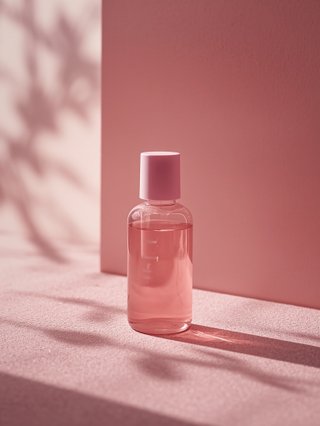
Skincare cosmetics – their composition and impact on health
Table of Contents 4
Medical & Editorial Disclaimer (§3 Terms): This article is for informational and educational purposes only, does not constitute medical advice, diagnosis, or treatment, and is used at your own risk. Consult a qualified physician for medical conditions.
An examination of the formulations reveals that synthetic surfactants, such as sodium lauryl sulfate and its derivatives, assist in removing surface impurities, yet they can simultaneously alter the skin's natural epidermal lipid matrix. Preservatives like parabens play a role in extending product longevity, although the long-term effects of these substances are subject to ongoing scientific discussion. Another key component is paraffin, which forms a protective barrier due to its occlusive properties, thereby preventing moisture loss from the skin.
For a more conscious approach to skincare, it is advisable to scrutinize ingredient lists critically. The growing interest in natural alternatives, which are free from artificial additives, offers a gentler effect and a smaller environmental footprint. It is recommended to select products whose composition aligns with your individual skin requirements.
Sodium lauryl sulfates: Comparing SLS and SLES – properties, mechanisms of action, and dermatological risks
The contentious role of paraben preservatives: hazards and prevalence in everyday consumer goods
Paraffin in cosmetics: properties, controversies, and evidence-based effects on skin health
Natural cosmetic alternatives: free from synthetic additives and skin-friendly
Want to apply these guidelines in your daily diet?
Our smart diet generator creates a tailored meal plan in 3 minutes based on the recommendations in this article.

mgr Tomasz Jankowski
• 25.09.2026Diets Premium Expert
Diets Premium team expert. Specializes in nutrition plans, strength sports, and training plans.