How does an antibacterial agent in gel form work
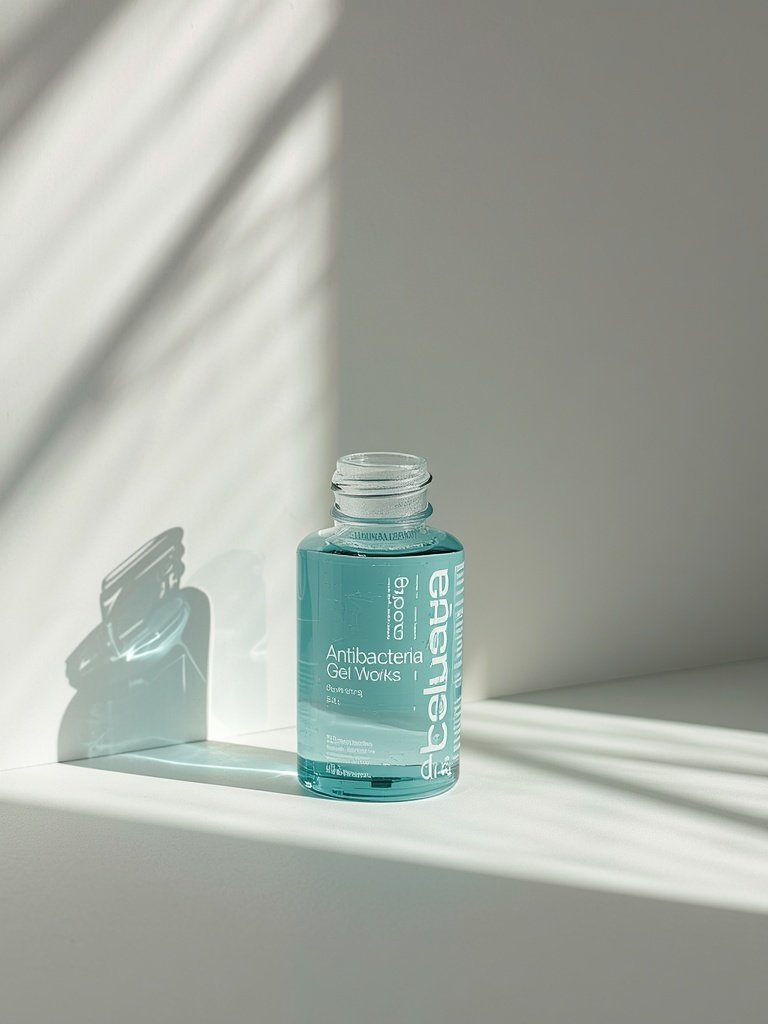

Table of Contents 3
Medical & Editorial Disclaimer (§3 Terms): This article is for informational and educational purposes only, does not constitute medical advice, diagnosis, or treatment, and is used at your own risk. Consult a qualified physician for medical conditions.
The functional mechanism of a well-crafted antiseptic gel relies on a synergistic blend of concentrated ethanol or isopropyl alcohol paired with soothing agents such as aloe vera. This targeted combination helps reduce the risk of infections associated with Gram-positive and Gram-negative bacteria, yeast fungi, and enveloped viruses, while the moisturizing botanical base counteracts potential irritation and supports the integrity of human skin.
In everyday life, hand sanitizing gels should be utilized as a supportive measure rather than a substitute for foundational hygiene protocols. Thorough handwashing with running water and soap remains the primary defense endorsed by microbiologists and epidemiologists to limit pathogen transmission, while a thoughtfully prepared or gently formulated gel offers a cost-effective and skin-friendly alternative whenever conventional washing facilities are out of reach.
The optimal composition of an effective hand sanitizing gel: Which key ingredients to select and their rationale
The operational principles and applications of antibacterial gel: A detailed examination of its mechanisms and dermatological benefits
Practical scenarios warranting the use of hand sanitizing gel: a comprehensive guide
Want to apply these guidelines in your daily diet?
Our smart diet generator creates a tailored meal plan in 3 minutes based on the recommendations in this article.

mgr Tomasz Jankowski
• 25.11.2026Diets Premium Expert
Diets Premium team expert. Specializes in nutrition plans, strength sports, and training plans.