Halva – ingredients, properties, recipe, and health effects
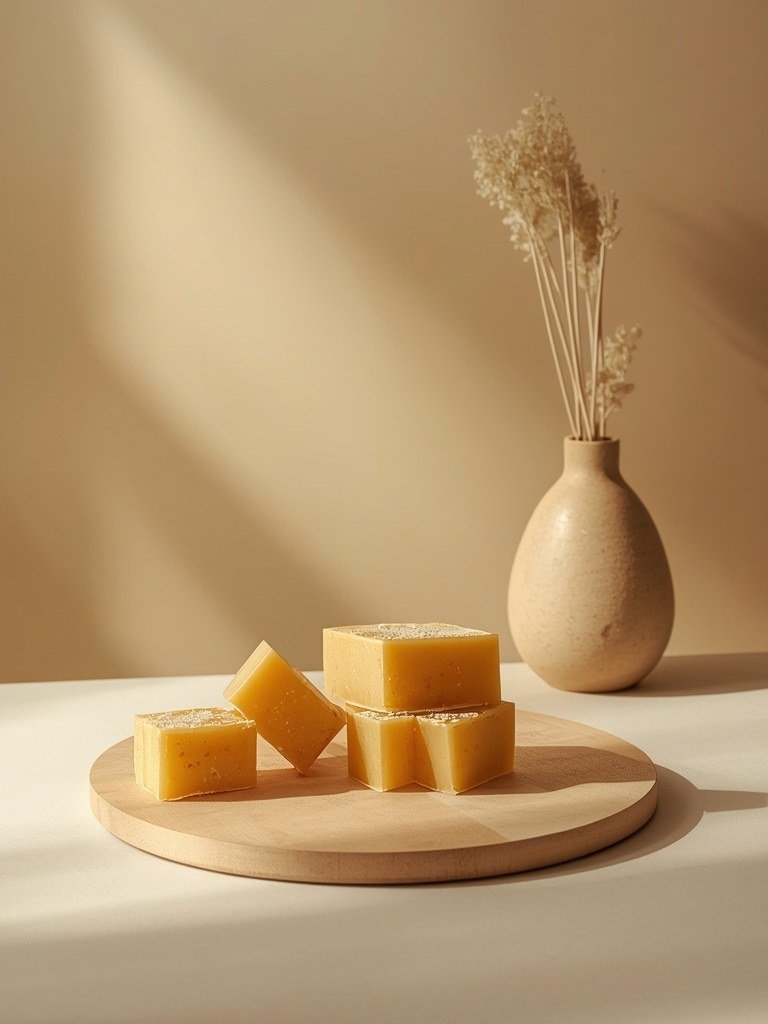
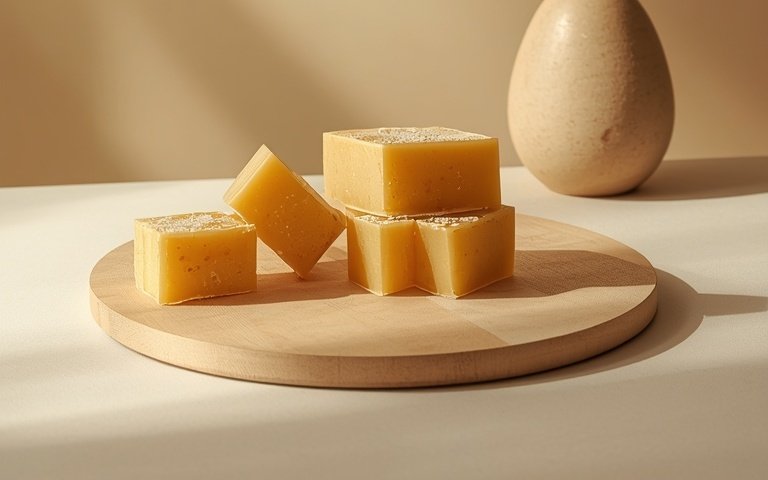
Table of Contents 5
Medical & Editorial Disclaimer (§3 Terms): This article is for informational and educational purposes only, does not constitute medical advice, diagnosis, or treatment, and is used at your own risk. Consult a qualified physician for medical conditions.
From a physiological perspective, halva derives its primary benefits from oilseeds like sesame or sunflower, which provide essential polyunsaturated fatty acids and vital minerals. Sunflower seeds contribute vitamin E, known for its potent antioxidant properties, while both sesame and sunflower varieties offer significant amounts of magnesium and phosphorus, which are crucial for systemic energy metabolism. However, the high concentration of simple sugars and fats means that halva is a very energy-dense food, and its high omega-six fatty acid content requires a balanced dietary approach to manage potential pro-inflammatory factors.
Practical guidance suggests that opting for homemade halva is a superior choice for health-conscious individuals, as it allows for the exclusion of hydrogenated fats and artificial additives. By roasting seeds and combining them with liquid honey and natural vanilla, one can create a nutrient-rich snack that retains the beneficial minerals of the seeds. While halva offers more nutritional value than many industrial sweets, it should be consumed in moderation as part of a balanced lifestyle, acknowledging its high sugar and fat content while appreciating its natural origin.
Thank you
It's all about the composition
Praise for the properties
Praise the recipe
Is the bowl healthy?
Want to apply these guidelines in your daily diet?
Our smart diet generator creates a tailored meal plan in 3 minutes based on the recommendations in this article.

Laura Schneider
• 24.09.2026Diets Premium Expert
Diets Premium team expert. Specializes in nutrition plans, strength sports, and training plans.