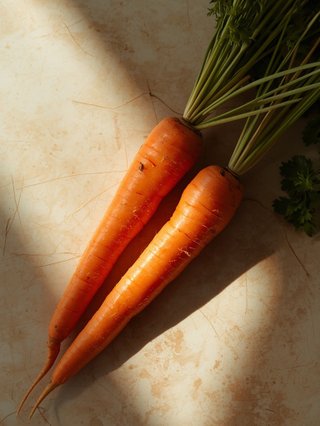
Cruciferous vegetables - types... Cruciferous vegetables and hypothyroidism


Table of Contents 2
Medical & Editorial Disclaimer (§3 Terms): This article is for informational and educational purposes only, does not constitute medical advice, diagnosis, or treatment, and is used at your own risk. Consult a qualified physician for medical conditions.
Cruciferous vegetables, belonging to the Brassicaceae family, are distinguished by their high content of plant-based protein, dietary fiber, and a comprehensive vitamin profile. However, they also contain goitrogens, compounds that can interfere with iodine metabolism. Excessive consumption of raw or improperly prepared cruciferous vegetables might reduce iodine availability, potentially contributing to thyroid enlargement or exacerbating existing hypothyroidism.
For daily consumption, this means considering cruciferous vegetables as a valuable part of the diet, but paying attention to proper preparation. Cooking or steaming can help reduce the effect of goitrogens. Individuals with hypothyroidism should discuss their intake of cruciferous vegetables with a doctor or dietitian to ensure a personalized and safe dietary approach, maximizing the health benefits of these vegetables.
Cruciferous Vegetables: Nutritional Profile and Health Benefits of the Brassica Family
The impact of cruciferous vegetables on thyroid function: benefits and potential risks in hypothyroidism
Want to apply these guidelines in your daily diet?
Our smart diet generator creates a tailored meal plan in 3 minutes based on the recommendations in this article.

Lena Bauer
• 25.11.2026Diets Premium Expert
Diets Premium team expert. Specializes in nutrition plans, strength sports, and training plans.