Fresh or chilled tuna – nutritional values and culinary uses
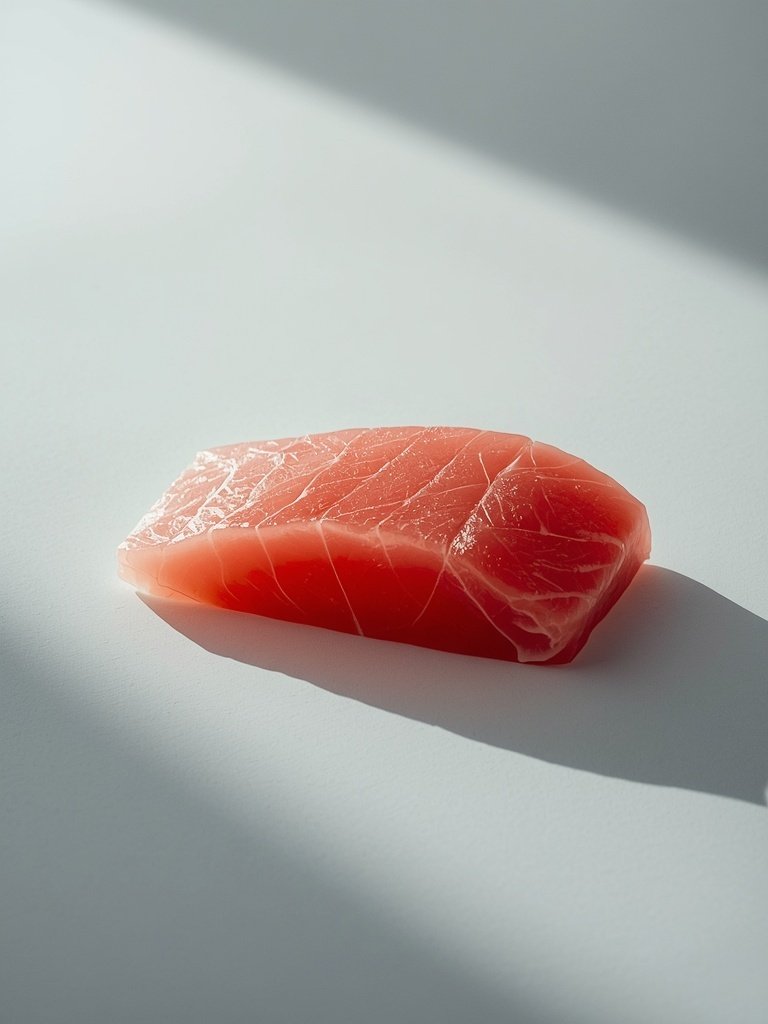
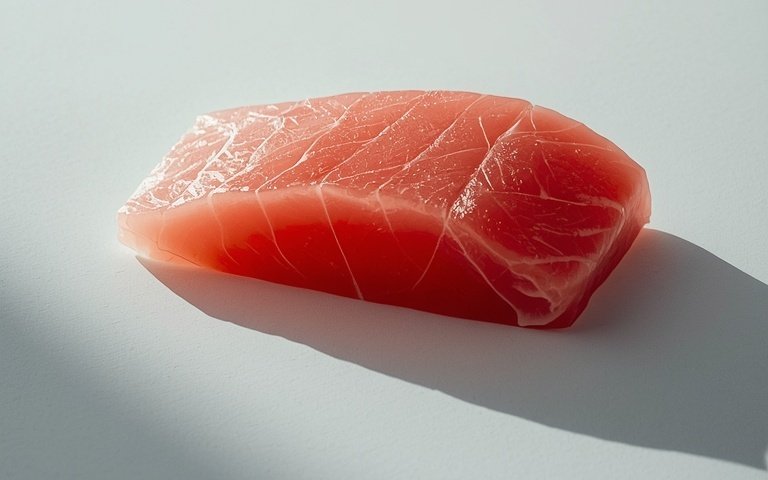
Table of Contents 2
Medical & Editorial Disclaimer (§3 Terms): This article is for informational and educational purposes only, does not constitute medical advice, diagnosis, or treatment, and is used at your own risk. Consult a qualified physician for medical conditions.
The nutritional composition highlights significant concentrations of niacin, vitamin A, riboflavin, and associated B-group vitamins which function as vital cofactors in energy metabolism. These elements facilitate the breakdown of fatty acids and carbohydrates while actively supporting systemic physiological processes and lipid regulation. Ensuring adequate dietary intake of these nutrients contributes to metabolic balance and helps prevent deficiencies associated with restricted diets.
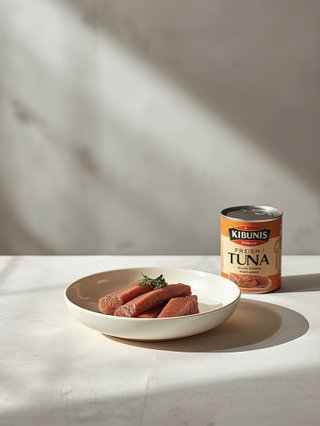
To maximize nutritional retention and sensory appeal, culinary practices should favor roasting or grilling fresh tuna steaks while minimizing excessive thermal processing. Avoiding deep frying prevents the formation of unwanted trans fats and preserves the delicate natural flavor profile. In regions where fresh fish is less accessible, oil-packed canned alternatives offer a convenient and widely utilized option for incorporating marine nutrients into everyday meals.
Tuna: Nutritional Composition and Its Physiological Benefits
Culinary applications of tuna: preparation guidelines and selection criteria for optimal nutritional retention
Want to apply these guidelines in your daily diet?
Our smart diet generator creates a tailored meal plan in 3 minutes based on the recommendations in this article.

Lena Bauer
• 25.11.2026Diets Premium Expert
Diets Premium team expert. Specializes in nutrition plans, strength sports, and training plans.