Fighting free radicals - ORAC scale!


Table of Contents 4
Medical & Editorial Disclaimer (§3 Terms): This article is for informational and educational purposes only, does not constitute medical advice, diagnosis, or treatment, and is used at your own risk. Consult a qualified physician for medical conditions.
The core of the article explores how different whole foods and botanicals shield the body from oxidative stress. By measuring the capacity of dietary compounds to absorb reactive oxygen species, researchers have identified exceptional sources of cellular protection. Edible spices and culinary herbs rank among the highest on the ORAC spectrum, with cinnamon, cloves, dried oregano, thyme, turmeric, and parsley demonstrating profound antioxidant activity. Cocoa beans, acai berries, and cumin also provide rich concentrations of protective phytochemicals that neutralize harmful oxygen forms before they can oxidize vulnerable biomolecules.
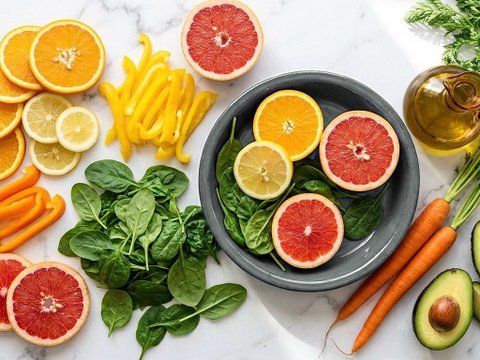
Applying these scientific insights to daily life involves intentionally incorporating antioxidant-rich ingredients into home-cooked meals. Routinely seasoning dishes with powerful spices such as turmeric, cumin, and cinnamon significantly enhances the overall protective potential of every bite. Constructing nutrient-dense meals around colorful plant foods, such as combining fresh spinach, red cabbage, walnuts, and raisins, offers a simple yet effective strategy to bolster the body's defenses. Embracing a diet abundant in high-ORAC foods supports tissue integrity, curbs oxidative decay, and promotes enduring vitality.
What are free radicals?
What does ORAC Capacity mean?
Turmeric and other edible spices
Suggested dishes based on the ORAC scale
Want to apply these guidelines in your daily diet?
Our smart diet generator creates a tailored meal plan in 3 minutes based on the recommendations in this article.

mgr Max Müller
• 25.11.2026Diets Premium Expert
Diets Premium team expert. Specializes in nutrition plans, strength sports, and training plans.