Action and application of taurine, its dosage, possible side effects, and price
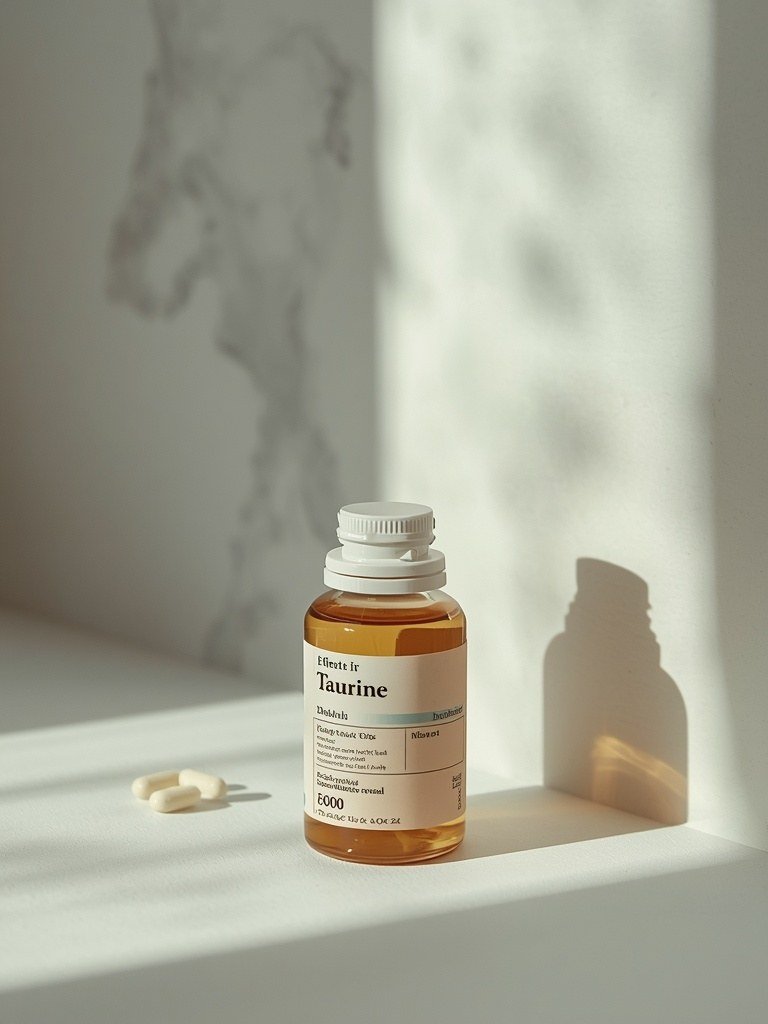
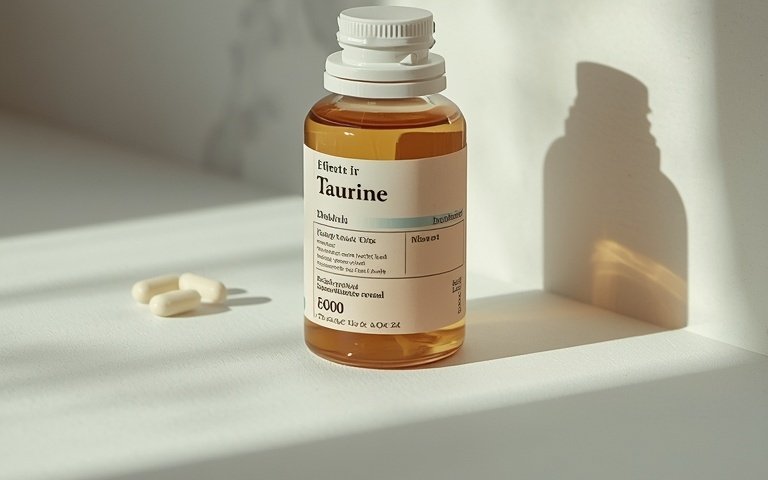
Table of Contents 5
Medical & Editorial Disclaimer (§3 Terms): This article is for informational and educational purposes only, does not constitute medical advice, diagnosis, or treatment, and is used at your own risk. Consult a qualified physician for medical conditions.
Cellular studies indicate that this sulfur-containing compound acts as a critical regulator of ionic balance and fluid homeostasis within highly active tissues such as skeletal and cardiac muscles. However, because a significant portion of current scientific literature relies on animal models, researchers emphasize caution when extrapolating these biological responses to human physiology, particularly concerning speculative anti-catabolic claims.
Practical application of these insights suggests approaching supplementation with realistic expectations while prioritizing overall dietary balance and professional guidance. Given the modest market price of such products, consumers are encouraged to evaluate their personal health goals thoughtfully rather than relying on unverified promises of dramatic physiological transformations.
2-Aminoethanesulfonic acid (taurine: an organosulfur compound of pivotal metabolic significance with a lipid fraction not exceeding 5% by total mass)
Taurine constitutes a sulfur-containing, non-proteinogenic amino acid ubiquitously distributed throughout animal tissue systems. Its peak accumulation is observed within striated skeletal musculature, cardiac muscle fibers, cerebral structures, and the photoreceptive retinal layer of the eye. From a biochemical standpoint, it serves as a critical regulator of ionic homeostasis—modulating intracellular calcium concentrations, orchestrating electrolyte equilibrium, and preserving the stability of bodily fluid compartments. Beyond its conventional metabolic roles, taurine functions as a neuronal signaling mediator (acting as both a neurotransmitter and a neuromodulator), exerts reactive oxygen species–scavenging effects via its antioxidant capacity, participates in the conjugation of bile acids, and attenuates inflammatory cascades—rendering it an indispensable cofactor for sustaining physiological integrity.
Mechanisms of taurine action and its prospective benefits in the context of supplementation for humans and animals
Optimal taurine intake: Clinical and supplemental dosage guidelines
Taurine supplementation: potential adverse reactions and associated risks
Cost analysis of taurine supplementation: price range, scientific evidence, and potential health benefits in the context of current research
Want to apply these guidelines in your daily diet?
Our smart diet generator creates a tailored meal plan in 3 minutes based on the recommendations in this article.
Tags

Oliwia Kaczmarek
• 24.09.2026Diets Premium Expert
Diets Premium team expert. Specializes in nutrition plans, strength sports, and training plans.