Alarming increase in body weight among children: conclusions from UNICEF reports and strategies to combat obesity

Table of Contents 3
Medical & Editorial Disclaimer (§3 Terms): This article is for informational and educational purposes only, does not constitute medical advice, diagnosis, or treatment, and is used at your own risk. Consult a qualified physician for medical conditions.
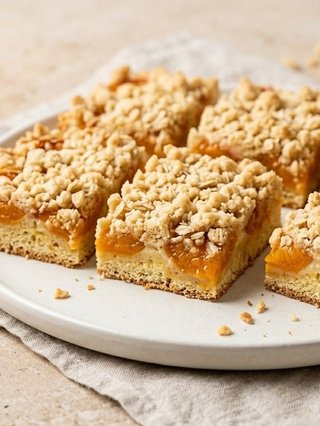
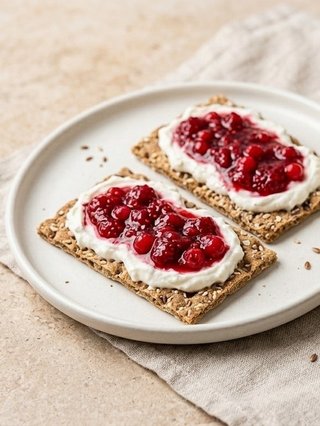
A closer look at the issue reveals how daily nutritional choices and physical education dynamics shape a child's lifestyle. While discussions often focus on school shops where sugary soft drinks, crisps, and sweets frequently overshadow fresh fruit juices, whole-grain sandwiches, and oatmeal cookies, household habits play an equally decisive role. Time constraints in the morning often lead parents to serve high-fat milk with processed breakfast cereals and provide pocket money instead of packing a nutritious meal, directly influencing the child's dietary preferences. Furthermore, school physical education can inadvertently create barriers when instructors apply identical performance demands to all pupils regardless of their physical readiness, leaving overweight children vulnerable to frustration, peer pressure, and social exclusion.
Practical steps toward supporting a balanced lifestyle begin with mindful parental role modeling at home. Preparing wholesome breakfasts and packing nutrient-dense school snacks, such as whole-grain sandwiches and fresh produce, can help establish constructive eating patterns early in life. Additionally, encouraging empathetic, inclusive forms of physical activity that match a child's individual capabilities can cultivate a lasting appreciation for movement without the discouragement associated with rigid competitive standards.
Overview of the report’s key themes, featuring an examination of trends, underlying causes, and potential health and societal implications.
Etiological drivers of accelerating pediatric overweight rates
Parents often try to shift responsibility to schools, especially school stores, where instead of fresh fruit juices, whole-grain sandwiches and oatmeal cookies dominate soft drinks, chips and sweets. On the other hand, parents are not left without guilt often in a hurry instead of preparing a good breakfast for their child and packing a tasty, healthy snack in their backpack, serving them a glass of high-fat milk with breakfast cereals and giving them a small pocket for their second breakfast.
The role of physical activity and school physical education
Unfortunately, although a lean boy or girl won't have a problem with following all the instructions of the teachers, overweight children are doing much worse than their peers. Physical Education students also often show a complete lack of understanding. They have the same demands on lean and fat children, who are exposed to bullying and being bullied by peer pressure.
Impact of familial dietary patterns on child development
"Which mothers have such children?" is the slogan of a social campaign run by the BOŚ foundation to raise awareness among Poles whether we want or not parents' eating habits have a direct impact on their children's food habits.
Want to apply these guidelines in your daily diet?
Our smart diet generator creates a tailored meal plan in 3 minutes based on the recommendations in this article.

mgr Tomasz Jankowski
• 25.11.2026Diets Premium Expert
Diets Premium team expert. Specializes in nutrition plans, strength sports, and training plans.