Common Cold vs Histamine Intolerance: How to Tell the Difference


1 photo
864
Table of Contents 3
Medical & Editorial Disclaimer (§3 Terms): This article is for informational and educational purposes only, does not constitute medical advice, diagnosis, or treatment, and is used at your own risk. Consult a qualified physician for medical conditions.
Clinical E-Books & Diet Plans:
Explore E-Books & Plans →
Key Takeaways
Distinguishing between a common cold and histamine intolerance is crucial for many individuals, as both conditions can trigger remarkably similar symptoms such as a runny or stuffy nose. While a cold stems from viral exposure, apparent cold symptoms often mask a metabolic imbalance involving histamine handling. This vital biological compound performs essential physiological roles, yet an excess can provoke allergy-like reactions that significantly disrupt daily comfort and necessitate a careful diagnostic perspective.
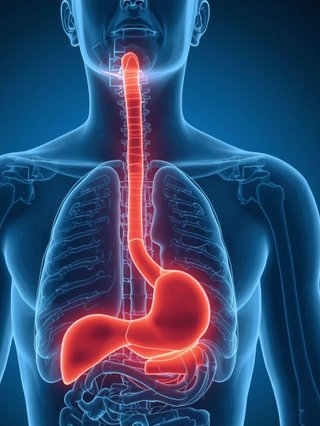
The core mechanisms revolve around the balance between bodily histamine synthesis and its enzymatic degradation, primarily managed by the diamine oxidase enzyme. When enzymatic levels are insufficient or when the diet frequently includes aged, ripened, or fermented provisions, histamine accumulates within tissues. Acting as an inflammatory mediator, excess histamine induces blood vessel dilation, mucosal swelling, and smooth muscle contractions in the gastrointestinal tract, accounting for the wide array of respiratory and digestive manifestations.
Practical daily guidance centers on mindful dietary choices and prioritizing ingredient freshness to prevent unnecessary histamine accumulation in the body. Opting for freshly prepared foods rather than long-stored alternatives helps maintain metabolic harmony and supports overall well-being. Should recurring symptoms resembling a cold persist without a clear viral origin, examining nutritional patterns and seeking professional guidance offers a dependable path toward sustained comfort and clarity.
Histamine is present in scant amounts in our bodies and is persistently processed by the enzyme... Moreover, it is found in several food products that we routinely ingest... Ordinarily, an excess of this substance can be injurious to our body and bring about symptoms resembling allergies.
01 / 03
Other, of a thickness of not more than 10 mm
Histamine is synthesized in the body from histidine through the action of the enzyme histidine decarboxylase. It is present in substantial quantities in the skin, lungs, mucosal lining of the gastrointestinal tract, and in cells undergoing rapid division and regeneration. Acting as an inflammatory mediator, it triggers a range of clinical symptoms. It is stored in mast cells and basophilic granulocytes, where it is bound to acidic proteins and high-molecular-weight heparin. Histamine not sequestered in mast cells is found in gastric histaminocytes and histaminergic neurons. Its release occurs during antigen-antibody allergic reactions and under the influence of various factors, including antibiotics, ammonium compounds, certain alkaloids, peptides, enzymes, medications (e.g., atropine, morphine), stress, inflammation, tissue damage, insect stings, or snake bites. In allergic reactions, histamine exerts its effects via H1, H2, H3, and H4 receptors, with H1 receptors playing a pivotal role.
02 / 03
High-histamine foods
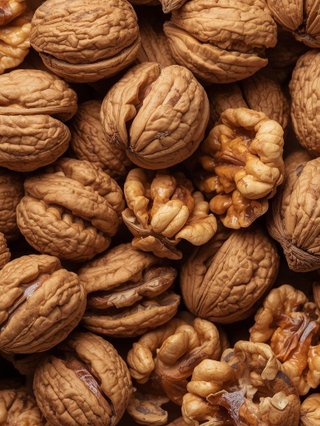
Histamine intolerance may stem from an insufficient level of the enzyme diamine oxidase (DAO), which is responsible for breaking down histamine in the body. The histamine content in food varies significantly and depends on the degree of ripeness and freshness. The longer the products are stored or left to ripen, the higher their histamine content becomes. Foods rich in histamine include: alcohol (red wine, champagne, beer, sparkling wine), smoked and canned fish (fish sauces, tuna, mackerel, sardines, anchovies, herring, pollock, salmon), pizza, smoked meats (salami, ham, hot dogs, bratwurst, bacon), sauerkraut, vinegar (wine vinegar, balsamic vinegar), vegetables (tomatoes, spinach, eggplants, pre-made salads, canned vegetables, mushrooms), fruits (strawberries, bananas, papaya, mango, grapefruit, kiwi, pineapple, mandarins, dried plums), chocolate, cocoa, coffee, black tea, aged cheeses, soy sauce, certain mustards and ketchups, sunflower seeds, bread, baked goods with yeast, nuts, Brazil nuts, walnuts.
03 / 03
Manifestations of Histamine Intolerance
Histamine is a chemical compound that triggers various adverse reactions in the body. It causes the smooth muscles in the bronchi and intestines to contract, potentially leading to severe complications. An irritated intestinal mucosa may result in diarrhea and abdominal pain. Blood vessels dilate, and their permeability increases, leading to swelling of the mucous membranes in the mouth and nose. This manifests as skin itching, rashes, watery nasal discharge, and sneezing. Stimulation of secretion from the glands of the nasal and bronchial mucosa can impair breathing. Some individuals experience severe headaches, tearing eyes, and persistent coughing. In extreme cases, it can lead to a drop in blood pressure and heart rhythm disturbances. Histamine induces typical allergic symptoms, and histamine intolerance may occur when consuming histamine-rich products causes a sudden increase in its concentration in the body, resulting in various symptoms beyond just allergic reactions.
Meal Plan
Want to apply these guidelines in your daily diet?
Our smart diet generator creates a tailored meal plan in 3 minutes based on the recommendations in this article.

Isabella Taylor
• 26.11.2026Diets Premium Expert
Diets Premium team expert. Specializes in nutrition plans, strength sports, and training plans.