Depression and Nutrition: How Diet Affects Mood


Table of Contents 5
Medical & Editorial Disclaimer (§3 Terms): This article is for informational and educational purposes only, does not constitute medical advice, diagnosis, or treatment, and is used at your own risk. Consult a qualified physician for medical conditions.
Physiological insights suggest that chronic inflammation within the body may be closely linked to the development of depressive symptoms. Deficiencies in critical nutrients, such as specific vitamins and essential fatty acids, can impair the synthesis of neurotransmitters necessary for mood regulation. Furthermore, the health of the gut microbiota influences the immune system, and an imbalanced internal environment can exacerbate inflammatory states that negatively impact neurological function and psychological resilience.
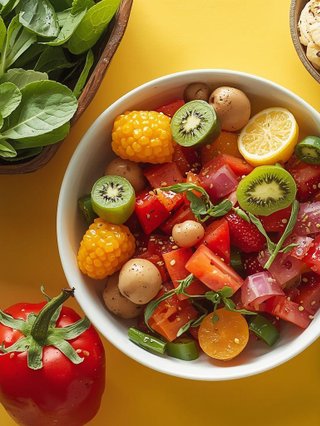
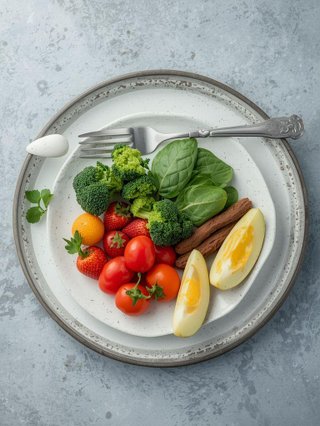
Practical guidance for daily life involves prioritizing a nutrient-dense diet rich in vitamins, minerals, and healthy fats to support nervous system health. Engaging in regular, individually tailored physical activity, such as strength and endurance training, can also provide significant benefits for mental well-being due to its neuroplastic effects. It is important to emphasize that while lifestyle adjustments are supportive, they should always complement professional medical and psychological treatment when dealing with depressive disorders.
This article is professional premium content (PRO) provided in its entirety.
What is Depression – Definition, Symptoms and Categorization
The theory of depression caused by inflammatory state
Nutrient deficiencies and depression
Diet and its impact on depression
Physical activity as a tool in the treatment of depression
Want to apply these guidelines in your daily diet?
Our smart diet generator creates a tailored meal plan in 3 minutes based on the recommendations in this article.

Laura Schneider
• 26.11.2026Diets Premium Expert
Diets Premium team expert. Specializes in nutrition plans, strength sports, and training plans.