Coconut sugar. Let's learn about its characteristics and uses.
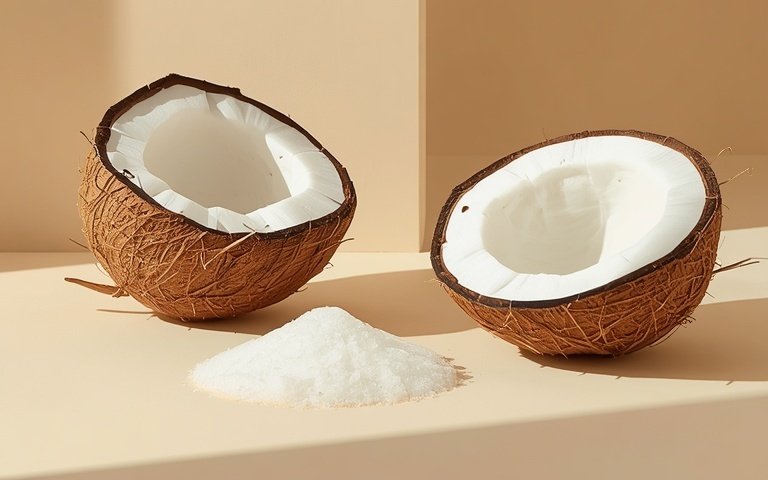
Table of Contents 3
Medical & Editorial Disclaimer (§3 Terms): This article is for informational and educational purposes only, does not constitute medical advice, diagnosis, or treatment, and is used at your own risk. Consult a qualified physician for medical conditions.
From a nutritional perspective, coconut sugar sets itself apart from heavily refined sweeteners by retaining trace nutrients native to coconut palm sap. Alongside its primary carbohydrate base of sucrose complemented by smaller amounts of glucose and fructose, it supplies minerals such as magnesium, potassium, zinc, and iron, as well as vitamin C and several B-group vitamins. Furthermore, coconut sugar exhibits a low glycemic impact, as naturally occurring enzymes help slow the absorption of sugar into the bloodstream, supporting a more gradual blood glucose response rather than rapid spikes.
In everyday culinary applications, coconut sugar is available in light or dark granules, cubes, and liquid forms, making it an adaptable substitute in baking, confectionery, and savory cooking. Its favorable heat stability allows it to perform reliably in warm dishes and baked goods while imparting a pleasant, subtle depth of flavor. Even with its trace micronutrient content and gentler glycemic profile, it remains a source of dietary sugars and is best enjoyed in moderation as part of a balanced nutritional routine.
Coconut sugar
Coconut sugar composition
Coconut sugar properties
Want to apply these guidelines in your daily diet?
Our smart diet generator creates a tailored meal plan in 3 minutes based on the recommendations in this article.

Sophia Williams
• 25.11.2026Diets Premium Expert
Diets Premium team expert. Specializes in nutrition plans, strength sports, and training plans.