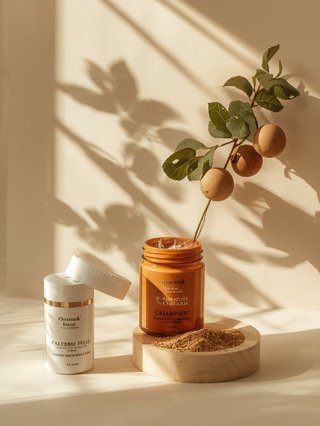
Brewer's Yeast in Diet and Cosmetics: Nutritional Properties, Hair and Skin Masks


Table of Contents 4
Medical & Editorial Disclaimer (§3 Terms): This article is for informational and educational purposes only, does not constitute medical advice, diagnosis, or treatment, and is used at your own risk. Consult a qualified physician for medical conditions.
From a physiological perspective, micronutrients including thiamine, riboflavin, niacin, pantothenic acid, and pyridoxine drive cellular energy synthesis and tissue regeneration. Biotin serves as a vital enzymatic cofactor in keratin production, which may help mitigate brittle nail plates and diffuse hair shedding, while organic sulfur, zinc, and bioactive peptides support sebaceous gland homeostasis and help clarify congested complexions. A critical clinical insight detailed in the guide involves oral safety: ingesting live yeast cells induces gastrointestinal fermentation and severe bloating while paradoxically depleting the host of circulating B-vitamins, most notably by scavenging essential biotin from the digestive tract.
To apply these insights safely at home, fresh yeast intended for drinking must always undergo complete thermal inactivation by pouring fully boiling water or boiling milk over the crumbled yeast to denature the live fungal cells before consumption. For external homemade care, yeast offers versatile topical applications: blending fresh yeast with warm water or milk, extra virgin olive oil or castor oil, and raw honey yields a nourishing scalp mask that delivers essential fatty acids and humectants when left under a warm towel. Similarly, those seeking complexion clarification can combine fresh yeast with a warm chamomile infusion and a few drops of pure tea tree oil to create a soothing facial mask that gently refines pores and supports balanced skin.
Brewer's and baker's yeast (Saccharomyces cerevisiae) represent time-tested nutritional and cosmetic treasures. Abundant in complete B-complex vitamins, zinc, selenium, and sulfur-bearing amino acids, yeast supports keratin synthesis and regulates epidermal sebum secretion. This comprehensive guide covers nutritional mechanisms, actionable topical recipes for hair growth and acne clarification, and essential safety rules for oral consumption.
Yeast as a Nutritional Powerhouse: B Vitamins, Zinc, and Biotin
Brewer's yeast delivers an exceptional density of bioavailable micronutrients:
- Complete B-complex spectrum: Packed with thiamine (B1), riboflavin (B2), niacin (B3), pantothenic acid (B5), and pyridoxine (B6), driving mitochondrial ATP synthesis and tissue regeneration.
- Biotin (Vitamin B7): Essential enzymatic cofactor for keratin production, directly mitigating brittle nail plates and diffuse telogen hair shedding.
- Trace minerals: Rich in bioavailable zinc (critical for sebaceous gland homeostasis and skin healing), selenium, and GTF chromium (optimizing glucose tolerance).
Yeast Hair Masks for Growth and Scalp Health
Topical application of yeast revitalizes dormant follicles and calms scalp irritation:
- Core formula: Crumble 25 grams of fresh baker's or brewer's yeast into 2 tablespoons of warm water or milk until a smooth paste forms.
- Nutritional enhancers: Blend in one tablespoon of extra virgin olive oil or castor oil and one teaspoon of raw honey to deliver essential fatty acids and humectants.
- Application protocol: Massage gently into the scalp, cover with a warm towel or shower cap for 30–45 minutes to optimize transdermal absorption, then rinse with a gentle sulfate-free shampoo. Repeat 1–2 times weekly.
Yeast Face Masks for Acne and Skin Clarification
For congested, acne-prone complexions, yeast provides remarkable balancing properties:
- Antimicrobial and astringent action: Organic sulfur, zinc, and peptides constrict dilated pores, curb excessive sebum, and impede Cutibacterium acnes colonization.
- Clarifying formula: Blend 2 teaspoons of fresh yeast with one tablespoon of warm chamomile infusion (anti-inflammatory) and three drops of pure tea tree oil.
- Application: Smooth evenly over cleansed facial skin, allow to dry for 15 minutes, and gently wash off with lukewarm water. Leaves the complexion visibly matte and refreshed.
Safe Oral Ingestion: Thermal Inactivation and Contraindications
Consuming yeast orally mandates adherence to strict microbiological rules:
- Dangers of live yeast: Ingesting live Saccharomyces cerevisiae causes gastrointestinal fermentation, severe bloating, and paradoxically depletes host B-vitamins—most notably scavenging circulating biotin.
- Thermal inactivation protocol: Always pour fully boiling water (minimum 90–100°C) or boiling milk over fresh yeast and stir vigorously to completely denature live fungal cells before drinking.
- Clinical contraindications: Avoid in patients with Crohn's disease (due to anti-Saccharomyces cerevisiae antibodies / ASCA), severe histamine intolerance, or those taking MAO inhibitors.
Want to apply these guidelines in your daily diet?
Our smart diet generator creates a tailored meal plan in 3 minutes based on the recommendations in this article.
Tags

mgr David Janitzek
• 25.11.2026Diets Premium Expert
Diets Premium team expert. Specializes in nutrition plans, strength sports, and training plans.