Basic information about hemp and its types
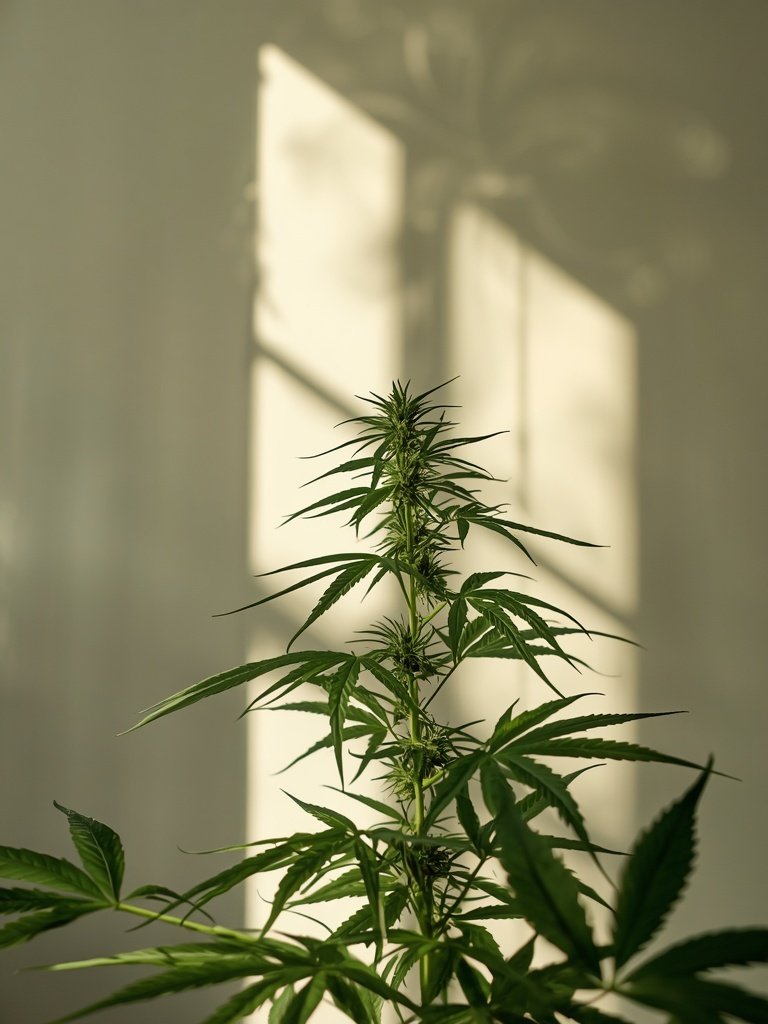
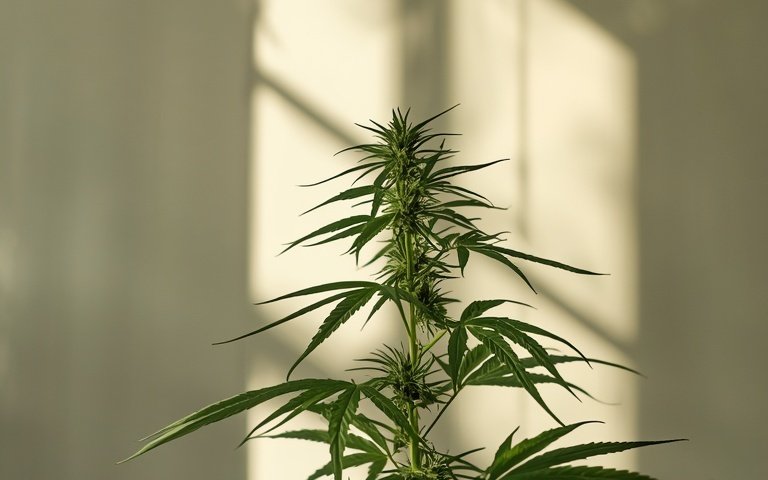
Table of Contents 2
Medical & Editorial Disclaimer (§3 Terms): This article is for informational and educational purposes only, does not constitute medical advice, diagnosis, or treatment, and is used at your own risk. Consult a qualified physician for medical conditions.
The article highlights the morphological and pharmacological distinctions among the primary cannabis subspecies. Variations in plant structure, leaf shape, and photoperiodic responses directly correlate with distinct cannabinoid profiles. For instance, subspecies characterized by higher cannabidiol content exhibit different physiological characteristics, such as soothing and relaxing properties, compared to varieties cultivated predominantly for industrial fiber and seed production. These natural biochemical differences dictate how each variety is utilized across clinical, nutritional, and commercial sectors.
In daily life, these insights enable consumers to make thoughtful choices when integrating hemp-based items, such as seeds and oils, into a balanced lifestyle. Recognizing the botanical background encourages the selection of high-quality, transparently sourced products that support overall well-being. Ultimately, a clear comprehension of plant varieties promotes a grounded, evidence-based approach to natural nutrition without relying on exaggerated claims.
Industrial Hemp (*Cannabis sativa* L.): Botanical Characteristics, Applications, and Economic Significance
The Diversity of Cannabis Species: Characteristics, Distribution, and Pharmacological Properties
Want to apply these guidelines in your daily diet?
Our smart diet generator creates a tailored meal plan in 3 minutes based on the recommendations in this article.

Sophia Williams
• 25.11.2026Diets Premium Expert
Diets Premium team expert. Specializes in nutrition plans, strength sports, and training plans.