Anti-cancer diet
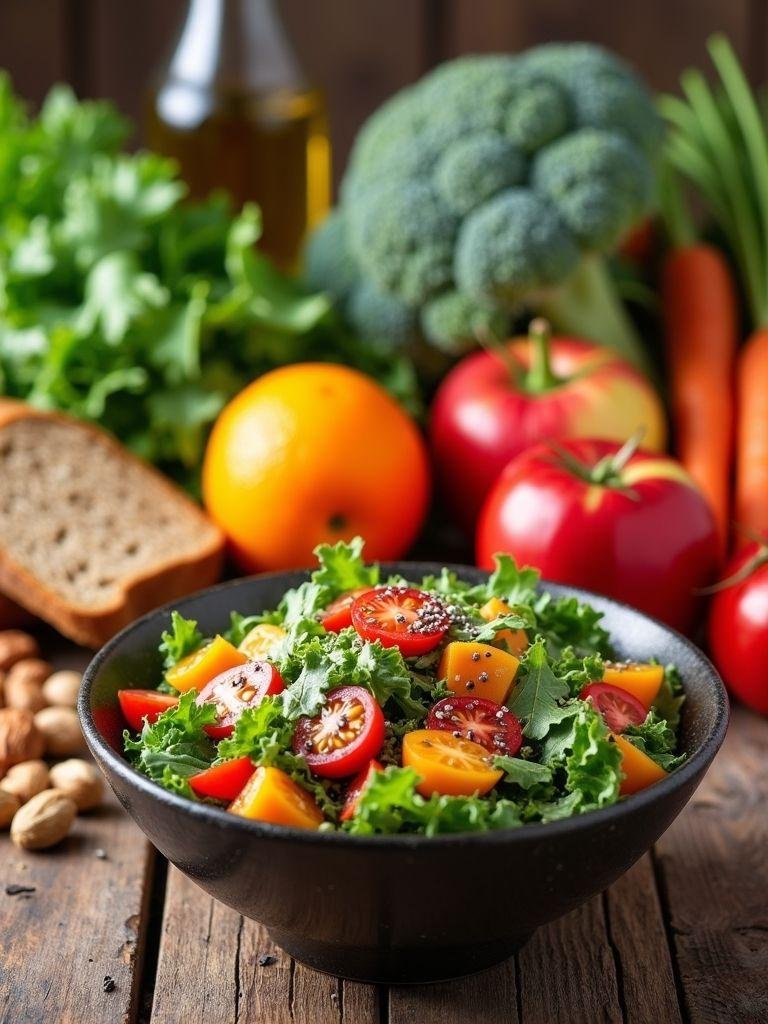
Table of Contents 9
Medical & Editorial Disclaimer (§3 Terms): This article is for informational and educational purposes only, does not constitute medical advice, diagnosis, or treatment, and is used at your own risk. Consult a qualified physician for medical conditions.
The article delves into how cancer development is linked to DNA damage and disrupted cellular control, with environmental factors, particularly diet, playing a central role. It discusses substances that can increase cancer risk, such as processed red meat, and the importance of maintaining a healthy body weight. In contrast, the protective mechanisms of a plant-based diet are highlighted, especially the role of fiber in gut health and the elimination of toxic substances.
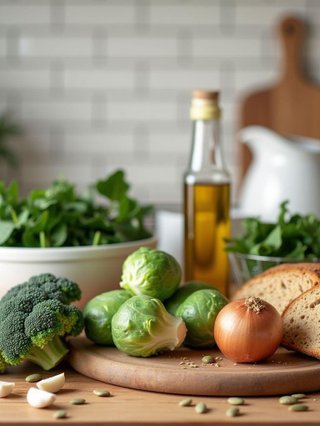
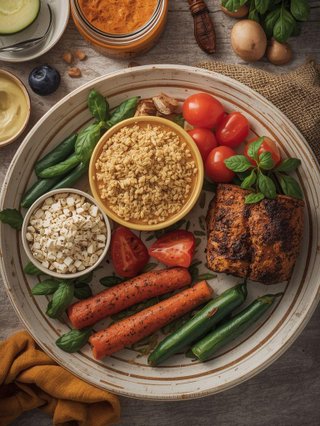
Practically, this means focusing on a diet rich in unprocessed foods such as vegetables, fruits, whole grains, lean meats, and healthy fats. Regular physical activity complements this approach by helping to maintain a healthy body weight and strengthening the immune system. A conscious lifestyle can thus make a significant contribution to cancer prevention.
This article is professional premium content (PRO) provided in its entirety.
How does a cancer evolve?
Cancer Incidence Statistics
Factors contributing to the development of cancers
Cancer-causing substances
Excess Weight and Malignant Tumors
An anti-cancer disease diet - What to eat?
The diet combating cancer - fruits and vegetables
The anti-cancer diet - a plant-based substance known as fiber
Cancer development and physical exertion
Want to apply these guidelines in your daily diet?
Our smart diet generator creates a tailored meal plan in 3 minutes based on the recommendations in this article.

Sophia Williams
• 25.11.2026Diets Premium Expert
Diets Premium team expert. Specializes in nutrition plans, strength sports, and training plans.