Almonds & HDL: How Nuts Support Heart Health in Your Diet (2024 Studies)

1 photo
856
Table of Contents 4
Medical & Editorial Disclaimer (§3 Terms): This article is for informational and educational purposes only, does not constitute medical advice, diagnosis, or treatment, and is used at your own risk. Consult a qualified physician for medical conditions.
Clinical E-Books & Diet Plans:
Explore E-Books & Plans →
Key Takeaways
Recent clinical investigations highlight the significant role of almond consumption in optimizing lipid profiles and supporting overall cardiovascular wellness. While traditional nutritional approaches focused primarily on lowering atherogenic low-density lipoproteins, contemporary clinical research emphasizes how almonds enhance high-density lipoprotein dynamics. Understanding these biochemical mechanisms empowers individuals to make informed dietary choices that promote long-term vascular protection through functional foods.
The physiological benefits of almonds stem from their rich phytochemical matrix, which combines cardioprotective monounsaturated fatty acids, essential linoleic acid, and bioavailable alpha-tocopherol. This synergistic nutrient blend improves both the concentration and structural quality of protective lipoprotein particles. Most notably, these compounds stimulate reverse cholesterol transport, a vital process wherein excess cholesterol is scavenged from arterial walls and macrophage foam cells, then transported back to the liver for excretion, thereby reducing the risk of vascular plaque accumulation.
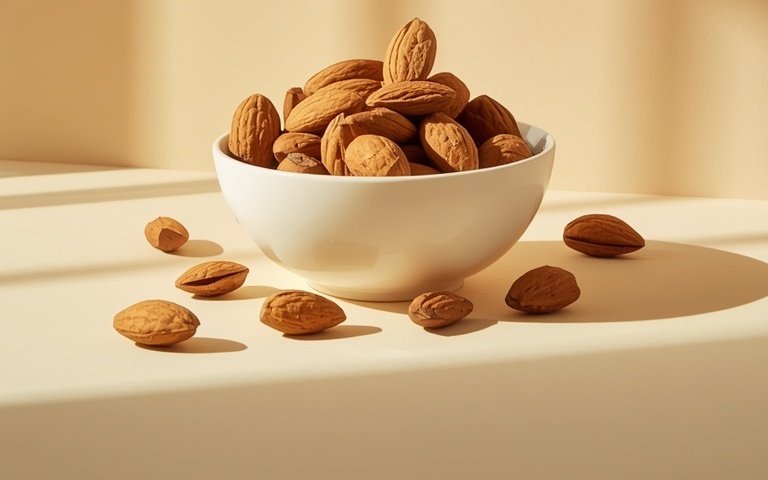
Incorporating unadulterated, unsalted almonds with their natural skins into daily eating patterns serves as a practical, evidence-based strategy for heart health. The outer skin contains a high concentration of antioxidant polyphenols that work alongside healthy fats to maximize vascular benefits. Enjoyed as a nutrient-dense snack or integrated into balanced meals, raw almonds offer an accessible lifestyle practice to optimize lipid metabolism and reinforce cardiovascular resilience.
This article provides a comprehensive review of the latest clinical investigations examining the impact of almond intake on lipid profiles, with a specific emphasis on the biochemical pathways that elevate high-density lipoprotein (HDL) cholesterol concentrations. The discussion includes evidence-based dosage recommendations, potential dietary synergies, and implications for cardiovascular disease prevention. The synthesis incorporates meta-analyses published in the first half of 2024 in peer-reviewed journals such as the *Journal of Nutritional Biochemistry* and the *American Journal of Clinical Nutrition*.
01 / 04
02 / 04
03 / 04
04 / 04
Meal Plan
Want to apply these guidelines in your daily diet?
Our smart diet generator creates a tailored meal plan in 3 minutes based on the recommendations in this article.
Tags

mgr Tomasz Jankowski
• 26.11.2026Diets Premium Expert
Diets Premium team expert. Specializes in nutrition plans, strength sports, and training plans.