Physiological Liver and Kidney Support: How Nutrition Truly Aids Natural Detoxification
Table of Contents 4
Medical & Editorial Disclaimer (§3 Terms): This article is for informational and educational purposes only, does not constitute medical advice, diagnosis, or treatment, and is used at your own risk. Consult a qualified physician for medical conditions.
The word "detox" often brings to mind extreme juice fasts that leave people exhausted and under-nourished. In reality, your body already operates a sophisticated 24/7 biotransformation network centered on the liver, kidneys, and gastrointestinal tract.
Grounded in nutritional biochemistry, this guide explains what Phase I and Phase II hepatic enzymes actually require from your daily meals — and how gentle, nutrient-dense eating supports recovery without starvation.
How Hepatic Biotransformation Works: Phase I and Phase II
Your liver converts fat-soluble compounds into water-soluble metabolites ready for excretion via bile or urine. Phase I cytochrome P450 enzymes modify target molecules, while Phase II conjugation pathways bind them with glutathione, glycine, taurine, or sulfate for safe elimination.
This is precisely why protein-free crash fasts backfire: hepatic Phase II enzymes depend on steady dietary amino acids, B vitamins, zinc, and selenium to synthesize glutathione and maintain balance (Hodges & Minich, J Nutr Metab).
Cruciferous Vegetables, Sulfur Compounds and Polyphenols
Broccoli, Brussels sprouts, kale, arugula, cabbage, and radishes supply glucosinolates that convert into sulforaphane when chopped or chewed — activating the Nrf2 pathway that regulates cellular antioxidant defenses. Garlic, onions, and leeks contribute complementary organosulfur compounds.
Rounding out meals with berries, green tea, fresh ginger, and extra-virgin olive oil adds protective polyphenols without resorting to pricey detox powders.
Kidneys, Clean Hydration and Dietary Fiber for Smooth Elimination
The European Food Safety Authority (EFSA) sets adequate total water intake at roughly 2.0 L/day for women and 2.5 L/day for men from fluids and foods combined, keeping renal filtration smooth and urine well diluted.
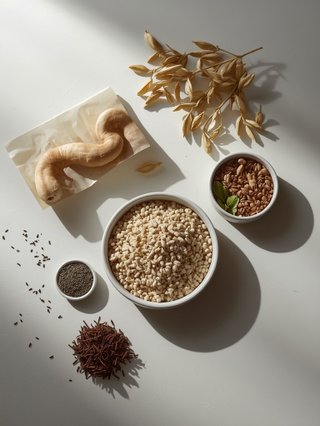
Simultaneously, hitting 25–35 g of daily fiber from vegetables, legumes, ground flaxseed, and oats binds bile acids and metabolic waste in the digestive tract for consistent elimination.
What Relieves Liver Load Most Effectively — References
No trendy cleanse matches the impact of trimming three real hepatic stressors: alcohol, sugar-sweetened beverages high in free fructose, and ultra-processed snacks. A few weeks of fresh home cooking, quality sleep, and regular movement noticeably supports liver biomarkers and daily vitality.
- Hodges RE, Minich DM. Modulation of Metabolic Detoxification Pathways Using Foods. J Nutr Metab, 2015.
- EFSA: Scientific Opinion on Dietary Reference Values for Water. EFSA Journal.
- EASL–EASD–EASO: Clinical Practice Guidelines on MASLD, 2024.
Want to apply these guidelines in your daily diet?
Our smart diet generator creates a tailored meal plan in 3 minutes based on the recommendations in this article.

Alicja Kowalska
• 25.11.2026Diets Premium Expert
Diets Premium team expert. Specializes in nutrition plans, strength sports, and training plans.