Alcohol in the athlete's diet
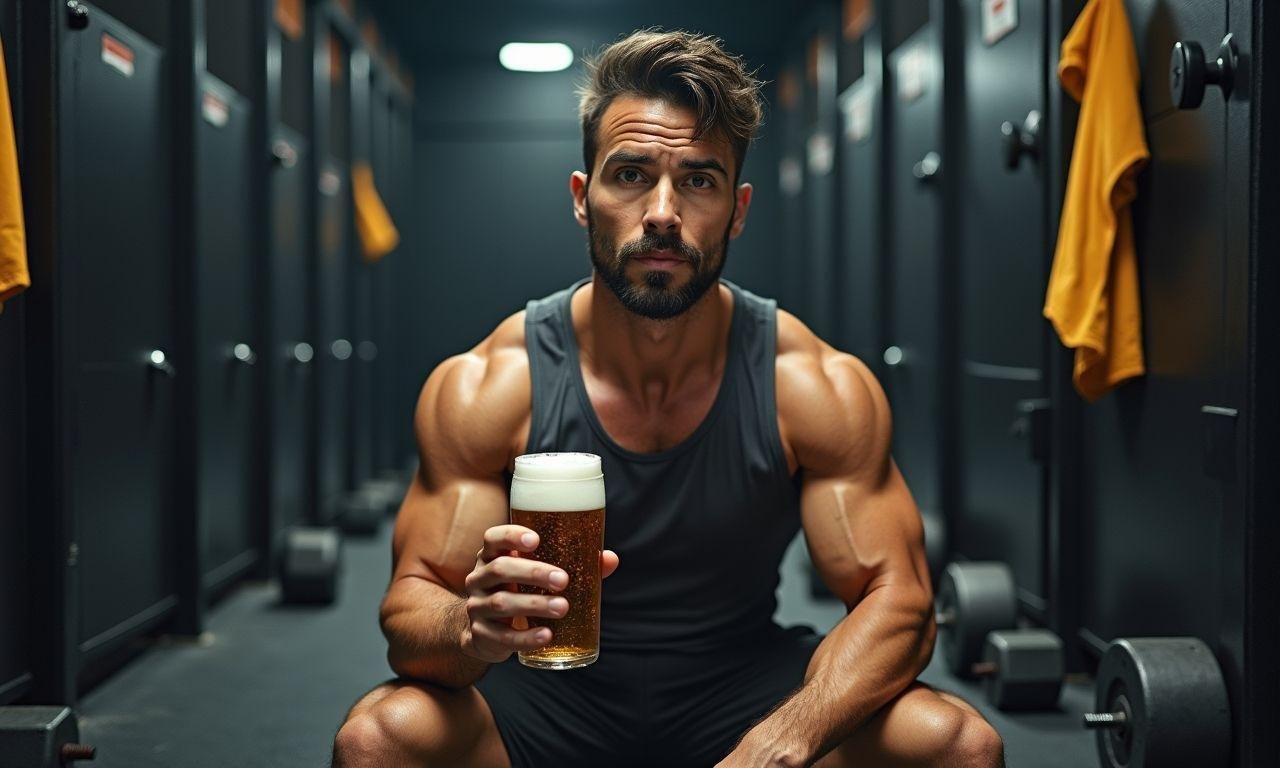
Table of Contents 4
Medical & Editorial Disclaimer (§3 Terms): This article is for informational and educational purposes only, does not constitute medical advice, diagnosis, or treatment, and is used at your own risk. Consult a qualified physician for medical conditions.
From a physiological standpoint, alcohol interferes with several vital recovery pathways. Immediately following physical activity, muscle protein synthesis is paramount for tissue repair; introducing alcohol during this critical window significantly impairs cellular building processes. Furthermore, alcohol suppresses the release of vasopressin, a key antidiuretic hormone, which accelerates fluid loss and impairs effective rehydration. When muscle injuries are present, alcohol intake slows cellular healing and compounds tissue damage. Additionally, it degrades sleep quality and next-day cognitive performance, elevating the overall risk of athletic injury.
To safeguard performance and recovery, athletes should prioritize targeted nutritional strategies immediately after exercise. Consuming high-quality protein and non-alcoholic fluids during the initial hours post-workout ensures that tissue repair and fluid balance are optimized. Avoiding spirits during the acute recovery window and throughout injury rehabilitation supports long-term muscle endurance, protects cognitive focus, and allows the body to adapt effectively to physical training.
Effect of alcohol consumption on muscle protein production
The impact of alcohol consumption on human body hydration
The impact of alcohol consumption on injuries - an analysis of consequences
Other outcomes
Want to apply these guidelines in your daily diet?
Our smart diet generator creates a tailored meal plan in 3 minutes based on the recommendations in this article.

mgr Max Müller
• 25.11.2026Diets Premium Expert
Diets Premium team expert. Specializes in nutrition plans, strength sports, and training plans.