6 ways to increase protein absorption
Table of Contents 6
Medical & Editorial Disclaimer (§3 Terms): This article is for informational and educational purposes only, does not constitute medical advice, diagnosis, or treatment, and is used at your own risk. Consult a qualified physician for medical conditions.
Looking closer at the underlying mechanisms, the method of food preparation significantly affects protein digestibility. Moderate thermal processing denatures proteins by relaxing their structures, which makes it easier for digestive enzymes to access peptide bonds, whereas heavy frying or charring triggers unfavorable chemical reactions that drastically reduce amino acid bioavailability. Plant-based protein sources frequently contain antinutrients like phytates and tannins that inhibit key digestive enzymes, though traditional culinary techniques such as soaking, sprouting, and fermenting successfully mitigate these compounds. Furthermore, maintaining adequate gastric acid production, balancing dietary fiber intake, and strategically combining diverse protein sources ensure a complete amino acid profile and optimal biological utilization.
For practical daily implementation, adopting mindful eating habits by chewing thoroughly initiates proper mechanical breakdown and increases the surface area available for enzymatic action in the stomach. Applying correct culinary preparation to plant foods helps overcome natural antinutritive barriers. Skillfully pairing complementary protein sources, such as legumes alongside grains, enhances overall meal quality and supports efficient nitrogen retention for general health and nutrition.
Protein is the fundamental building block for both tissues and biologically active factors such as enzymes and specific hormones. Contrary to appearances, the quantity of consumed protein does not play a principal role, as the most crucial factor is how much of the protein we ingest is digested and absorbed. Regrettably, numerous individuals are not cognizant that inadequate thermal processing or consuming food too rapidly can diminish the aforementioned dependency. If you wish to discover how to augment protein assimilation, it is worth reading this article.
The Role of Mechanical Breakdown and Thorough Mastication
The process of protein digestion begins in the mouth through the mechanical breakdown of food. Although saliva does not contain proteolytic enzymes of major significance, thorough chewing prepares protein structures optimally for the action of gastric acid. The smaller the food particles, the greater the surface area available for enzymes in the stomach and small intestine to act upon. Avoiding rushed eating thus increases the efficiency of the entire subsequent proteolytic cascade.
Optimal Thermal Processing of Protein Sources
The method of preparation significantly affects the digestibility of proteins. Moderate thermal processing denatures proteins, relaxing their tertiary and secondary structures and making it easier for digestive enzymes to access peptide bonds. However, exposure to extreme heat, such as heavy frying or charring, can lead to unfavorable chemical reactions like the Maillard reaction or the formation of lysinoalanine, which drastically reduce amino acid bioavailability.
Impact of Antinutrients in Plant-Based Protein Sources
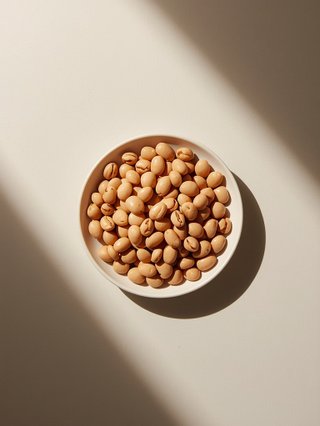
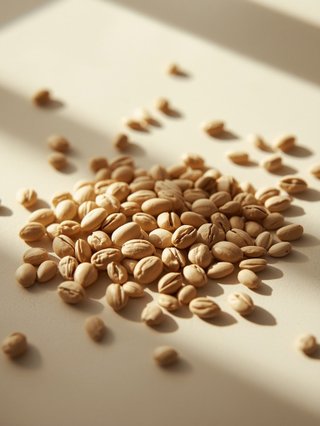
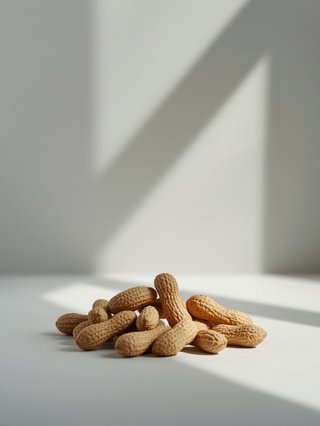
Plant proteins are often accompanied by antinutrients such as phytates, tannins, and protease inhibitors. These compounds can inhibit the activity of digestive and pancreatic enzymes like trypsin and pepsin, thereby hindering protein absorption. Through appropriate culinary techniques such as soaking, sprouting, fermenting, or cooking, these antinutritive factors can be effectively reduced, significantly increasing the utilization of plant protein.
Gastric Acid and Enzyme Activity in the Upper Gastrointestinal Tract
Adequate production of gastric acid (hydrochloric acid) and pepsinogen is essential for protein digestion. Gastric acid not only denatures proteins but also creates the optimal acidic environment (pH 1.5–3.5) required for pepsin activation. A deficiency in stomach acid (hypochlorhydria significantly impairs protein cleavage in the stomach, leading to incompletely digested peptides that can cause issues further down the digestive tract.
The Role of Dietary Fiber in Protein Absorption
Although dietary fiber is essential for healthy digestion, excessive consumption of insoluble fiber in the same meal can negatively impact protein absorption. Fiber can bind proteins and amino acids or shorten transit time in the digestive tract to the extent that enzymes have less time to act on the nutrients. Maintaining a balanced ratio of fiber to protein-rich foods in meals is therefore advisable.
Combining Protein Sources to Maximize Biological Value
Protein quality strongly depends on its amino acid profile, particularly the presence of essential amino acids. Since plant-based protein sources frequently lack or have low amounts of certain essential amino acids, skillfully combining various protein sources (e.g., legumes with grains) provides a complete amino acid profile. This not only improves the biological value of the meal but also optimizes protein synthesis efficiency and overall nitrogen utilization.
Want to apply these guidelines in your daily diet?
Our smart diet generator creates a tailored meal plan in 3 minutes based on the recommendations in this article.
Tags

Isabella Taylor
• 25.11.2026Diets Premium Expert
Diets Premium team expert. Specializes in nutrition plans, strength sports, and training plans.