Meadowsweet oil of the common meadowsweet – indications, limitations of use, and recommended therapeutic doses
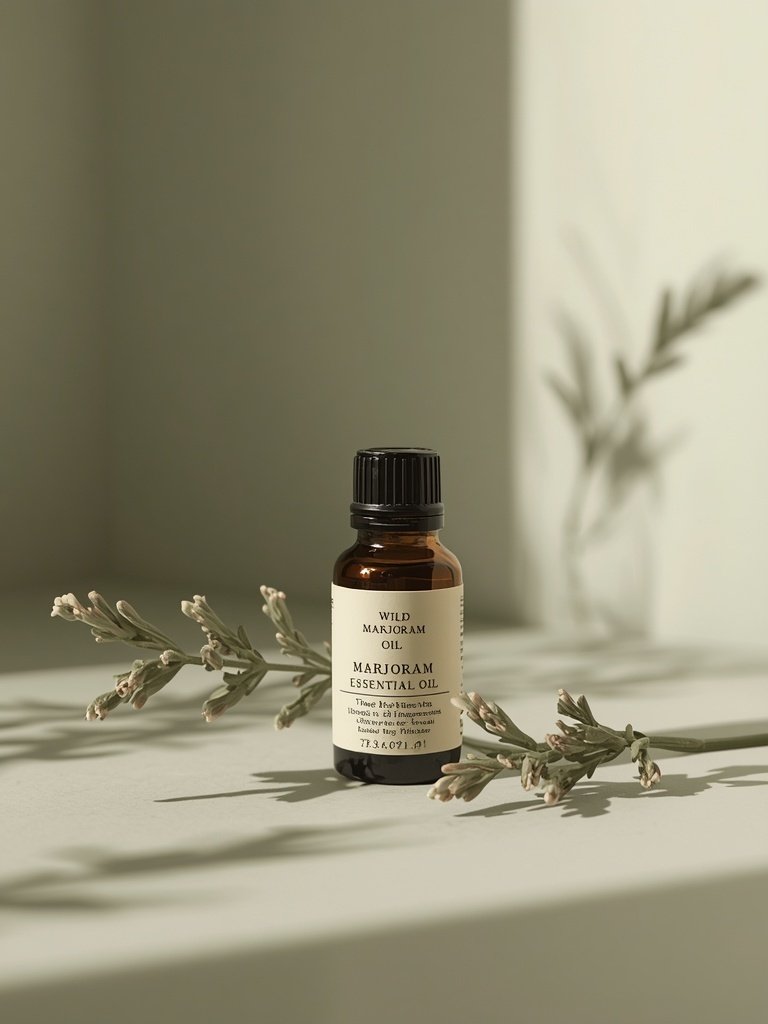
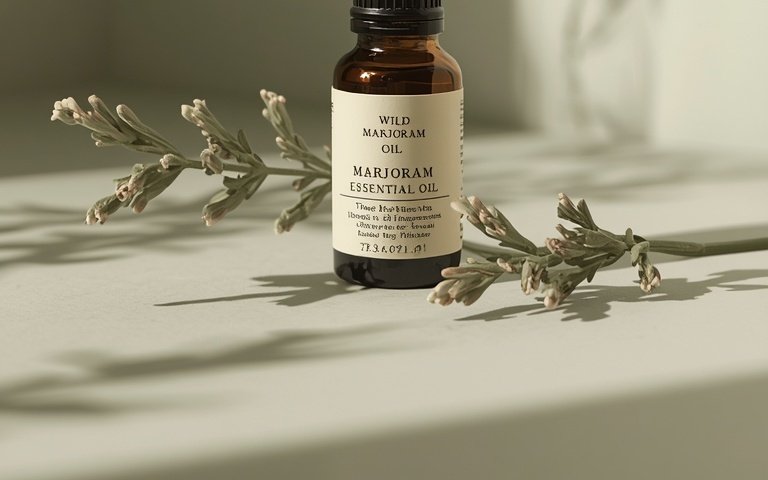
Table of Contents 4
Medical & Editorial Disclaimer (§3 Terms): This article is for informational and educational purposes only, does not constitute medical advice, diagnosis, or treatment, and is used at your own risk. Consult a qualified physician for medical conditions.
The therapeutic potential of wild marjoram oil stems from its rich concentration of phenolic monoterpenes, predominantly carvacrol and thymol. These volatile botanical compounds exhibit broad-spectrum antimicrobial activity against harmful microorganisms and fungal strains, while simultaneously delivering antioxidant support that neutralizes systemic free radicals and soothes inflammatory responses. However, because its potent action is non-selective and can temporarily alter beneficial intestinal flora, internal usage demands strict boundaries, mandatory microbiome support with high-potency probiotics, and clear avoidance during pregnancy or lactation.
Practical application requires diligence, as pure essential oils must never be consumed undiluted on the tongue or mixed into plain water. Safe protocols involve dissolving liquid drops into a lipid-rich carrier such as extra virgin olive oil or whole milk, or utilizing standardized encapsulated extracts consumed alongside meals. Adhering to short, well-defined duration limits ensures that individuals can harness the natural defense mechanisms of wild oregano while preserving long-term digestive balance and systemic health.
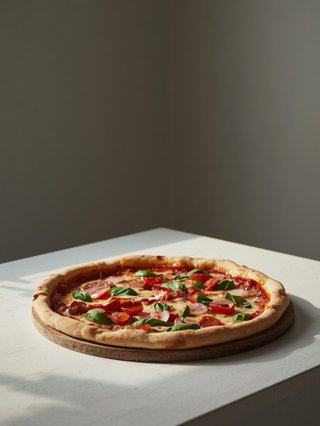
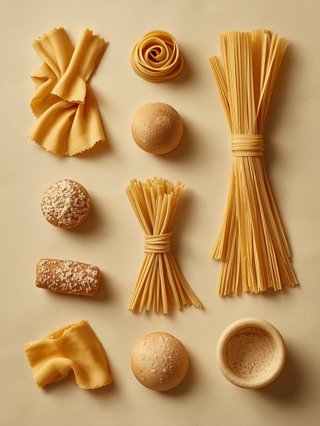
For many, the mention of oregano immediately evokes associations with flavorful Italian dishes such as pizza or pasta with tomato sauce. While this Mediterranean herb has long been prized as a culinary spice, contemporary scientific research is increasingly examining its potential health-promoting properties. This shift is reflected in the growing body of academic publications analyzing the chemical composition and biological effects of Origanum vulgare, underscoring heightened public and scholarly interest in this medicinal plant [1].
Wild marjoram (Oregano) – herbal background and chemical composition
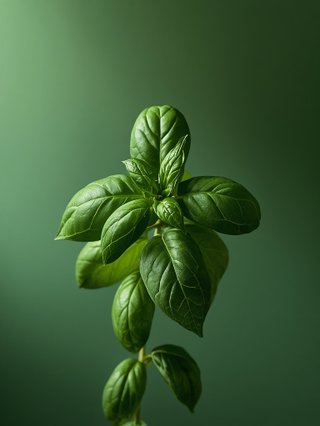
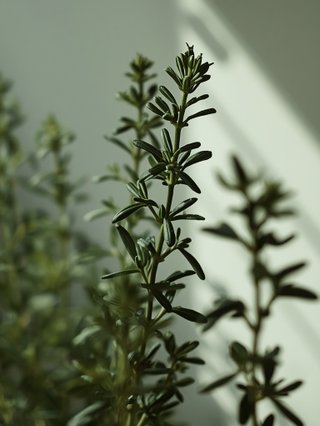
Wild marjoram (Origanum vulgare), widely known in culinary and herbal circles as wild oregano, is a perennial Lamiaceae herb native to dry Mediterranean limestone soils. The plant's essential oil is rich in phenolic monoterpenes—primarily carvacrol and thymol—which act in botanical defense against environmental herbivores and microbial pathogens. When harvested at peak bloom, the oil offers superior concentrations of active volatile compounds responsible for its formidable biological properties.
Therapeutic indications and broad-spectrum antimicrobial uses
Clinical and phytotherapeutic indications for wild oregano oil encompass acute upper respiratory tract infections, dysbiosis, bacterial gastroenteritis, and fungal overgrowths. Its potent carvacrol fraction acts as a natural food preservative and broad-spectrum antimicrobial agent, active against antibiotic-resistant bacteria such as Staphylococcus aureus and Klebsiella pneumoniae. In addition, its antioxidant compounds scavenge systemic free radicals and calm inflammatory tissue responses.
Contraindications, safety limits, and microbiome support
Due to its intense potency, wild oregano oil should not be taken continually for prolonged periods. When taken orally, it exerts non-selective antimicrobial activity that can temporarily alter beneficial intestinal commensals (e.g., Bifidobacteria and Lactobacillus). Consequently, internal protocols should not exceed 10 to 14 consecutive days and should always be paired with high-potency probiotic restoration. It is contraindicated in pregnancy, during breastfeeding, and in individuals with bleeding disorders or severe gastritis.
Standardized clinical dosage and administration protocols
Standard therapeutic dosages of liquid oregano oil consist of 2 to 4 drops dissolved in a tablespoon of extra virgin olive oil or whole milk, taken 1 to 2 times daily with meals. For encapsulated extracts, dosages standardized to 50–100 mg of pure carvacrol twice daily are commonly prescribed. Never administer undiluted drops onto the tongue or into water, and strictly abide by the manufacturer's purity and dosage certifications.
Want to apply these guidelines in your daily diet?
Our smart diet generator creates a tailored meal plan in 3 minutes based on the recommendations in this article.
Tags

Literatura: Oregano – fascynująca przyprawa, ale czy tylko? Możliwe zastosowania, substancje aktywne, właściwości terapeutyczne, Alina Mścisz, Elżbieta Czosnowska, Postępy Fitoterapii 4/2008, s. 233-239, [dostęp on-line http://www.czytelniamedyczna.pl/2623,oregano-fascynujaca-przyprawa-ale-czy-tylko-mozliwe-zastosowania-substancje-akt.html ] Porównanie działania przeciwdrobnoustrojowego olejków eterycznych z szałwii (Salvia Officinalis L.) i oregano (Origanum Vulgare L.), Elżbieta Hać-Szymańczuk, Edyta Lipińska, Anna Chlebowska-Śmigiel, Zeszyty Problemowe Postępów Nauk Rolniczych nr 577, 2014, 53–62, [dostęp on-line http://www.zppnr.sggw.pl/577-06.pdf ] Ocena aktywności przeciwbakteryjnej oregano (Origanum vulgare L.), Elżbieta Hać-Szymańczuk, Edyta Lipińska, Olga Grzegrzółka., Bromat. Chem. Toksykol.– XLV, 3, str. 308–314, [dostęp on-line http://www.ptfarm.pl/pub/File/Bromatologia/2012/3/308-314.pdf] Lebiodka pospolita (Origanum vulgare L.) – dziko rosnąca i uprawiana roślina zielarska, Renata Nurzyńska-Wierdak, Annales Universitatis Mariae Curie-Skłodowska Lublin-Polonia, vol. XXII(4), 2012, [dostęp on-line http://wydawnictwo.up.lublin.pl/annales/Horticultura/2012/streszczenia2012_4/01.pdf ]
Diets Premium Expert
Diets Premium team expert. Specializes in nutrition plans, strength sports, and training plans.