
Why are nuts healthy? Different varieties and their properties
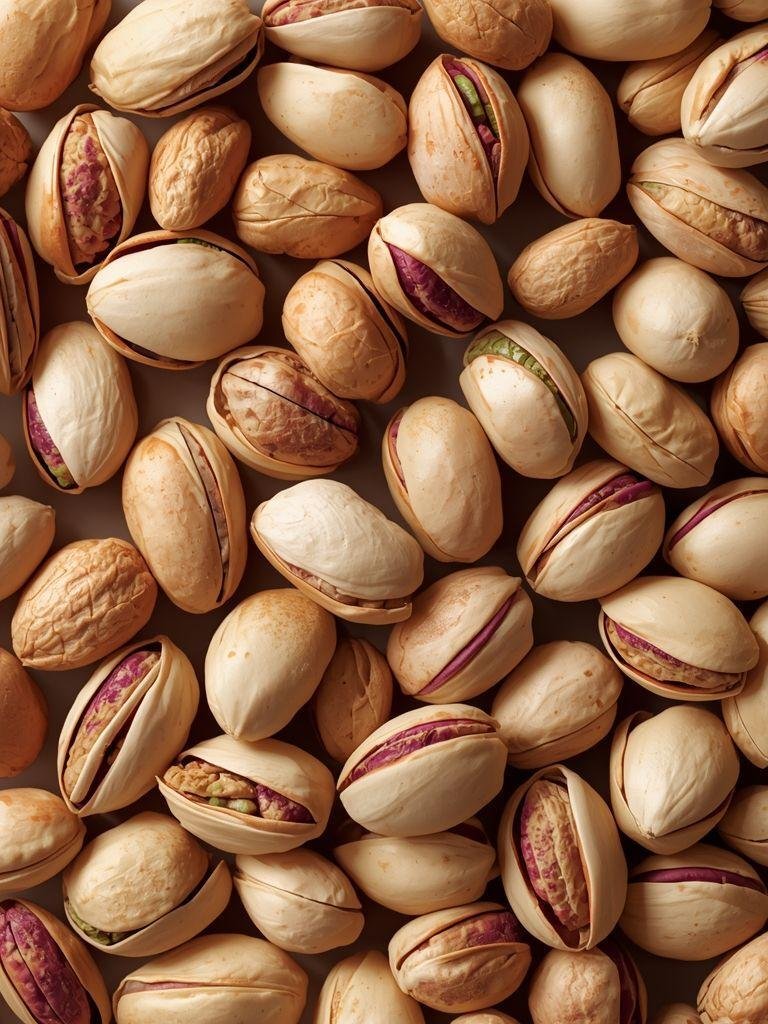
Table of Contents 5
Medical & Editorial Disclaimer (§3 Terms): This article is for informational and educational purposes only, does not constitute medical advice, diagnosis, or treatment, and is used at your own risk. Consult a qualified physician for medical conditions.
Protected beneath their tough outer shells, nuts harbor an impressive concentration of beneficial compounds, including monounsaturated and polyunsaturated fatty acids, dietary fiber, essential vitamins, and key minerals. These nutritional components actively support cardiovascular health and contribute to overall physiological balance, helping to mitigate the risk of various chronic conditions. Furthermore, the presence of plant sterols and phenolic compounds reinforces the supportive role these foods play in promoting long-term well-being.
To maximize the advantages of incorporating nuts into your routine, select different varieties thoughtfully based on your personal nutritional preferences and dietary goals. Emphasizing high-protein options or varieties rich in specific healthy fats allows you to tailor your intake while keeping overall energy balance in check. Enjoying these nutritious kernels sensibly as part of a varied diet ensures you can appreciate their rich flavor and health-supporting properties harmoniously.
Nuts - basic information
Various types of nuts
The nutrients of the chosen nuts
Nutritional components and health properties of nuts
Summary
Want to apply these guidelines in your daily diet?
Our smart diet generator creates a tailored meal plan in 3 minutes based on the recommendations in this article.

mgr Ashkan A. et al., Consumption of nuts and legumes and risk of incident ischemic heart disease, stroke, and diabetes: a systematic review and meta-analysis, „The American Journal of Clinical Nutrition” 2014, 100(1), 278–288. Ciemniewska H., Ratusz K., Charakterystyka orzechów laskowych trzech odmian leszczyny uprawianej w Polsce, „Rośliny Oleiste” 2012, 33(2), 273–283. Figueiredo M.S., Consumption of Brazil Nuts Provides Cardiovascular Health Benefits, „The International Journal of Cardiovascular Sciences” 2019, 32(3), epub. Gorji N. et al., Hazelnut and walnut, three nuts for neuroprotection in Alzheimer's disease: A neuropharmacological review of their bioactive constituents, „Pharmacological Research” 2018, 129, 115–127. Kluczkovski A.M. et al., Properties of Brazil nuts: a review, „African Journal of Biotechnology” 2015, 14(8), 642–648. Kulik K., Waszkiewicz-Robak B., Ocena możliwości stosowania dozwolonych oświadczeń żywieniowych i zdrowotnych dotyczących kwasów tłuszczowych w odniesieniu do orzechów jadalnych, „Żywność. Nauka. Technologia. Jakość” 2016, 23(2), 118–131. Kunachowicz H. et al., Wartość odżywcza wybranych produktów spożywczych i typowych potraw, Warszwa 2016. Liu X. et al., Association of Walnut Consumption with Total and Cause-Specific Mortality and Life Expectancy in U.S. Adults, „Nutrients” 2021, 13(8), 2699. Morgillo S., Hill A.M, Coates A.M., The Effects of Nut Consumption on Vascular Function, „Nutrients” 2019, 11(1), 116.
• 24.03.2026Diets Premium Expert
Diets Premium team expert. Specializes in nutrition plans, strength sports, and training plans.
















































