When gaining weight is a challenge. How to healthily increase body mass


Table of Contents 6
Medical & Editorial Disclaimer (§3 Terms): This article is for informational and educational purposes only, does not constitute medical advice, diagnosis, or treatment, and is used at your own risk. Consult a qualified physician for medical conditions.
The underlying mechanisms that hinder weight gain are rooted in human metabolism and lifestyle factors. An insufficient intake of energy relative to daily expenditure leaves the body without adequate building blocks for cellular repair and muscle synthesis. Individuals with high metabolic rates process nutrients with exceptional efficiency, a trait influenced by genetics, hormone levels, and muscle mass. Furthermore, intense physical exercise can create a continuous negative energy balance. Clinical conditions such as hyperthyroidism, celiac disease, inflammatory bowel disorders, and malabsorption issues can further accelerate metabolic output or impair nutrient uptake in the digestive tract.
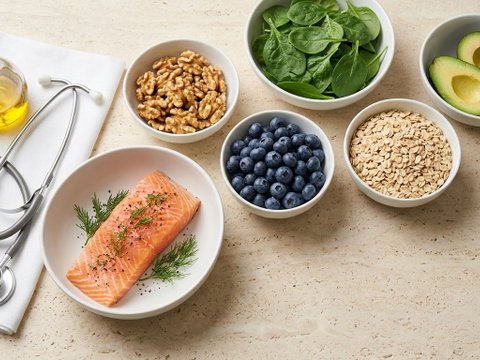
Healthy weight management relies on a strategic nutritional approach centered on nutrient-rich foods. Emphasizing high-quality dietary fats and lean proteins allows individuals to increase their energy density without overwhelming digestive capacity through massive meal volumes. Consuming smaller, more frequent meals throughout the day supports consistent nutrient absorption and steady systemic energy supply. If persistent difficulties in weight gain occur, seeking a thorough medical evaluation is recommended to rule out underlying endocrine or gastrointestinal disorders and to establish a personalized guidance plan.
This article is professional premium content (PRO) provided in its entirety.
Insufficient caloric intake
Excessive physical activity
„Swift” metabolic processes
Diseases and disorders hindering weight gain
How to healthily gain weight
Summary
Want to apply these guidelines in your daily diet?
Our smart diet generator creates a tailored meal plan in 3 minutes based on the recommendations in this article.

Celiakia: jak o siebie dbać?, pacjent.gov.pl/aktualnosc/celiakia-jak-o-siebie-dbac (24.08.2023). Chung N. et al., Non-exercise activity thermogenesis (NEAT): a component of total daily energy expenditure, „Journal of Exercise Nutrition & Biochemistry” 2018, 22(2), 23–30. Judge A., Dodd M.S., Metabolism, „Essays in Biochemistry” 2020, 64(4), 607–647. Quattrin T., Mastrandrea L.D., Walker L.S.K., Type 1 diabetes, „Lancet” 2023, 401(10394), 2149–2162. Ross D.S. et al., 2016 American Thyroid Association Guidelines for Diagnosis and Management of Hyperthyroidism and Other Causes of Thyrotoxicosis, „Thyroid” 2016, 26(10), 1343–1421. Seyedian S.S., Nokhostin F., Malamir M.D., A review of the diagnosis, prevention, and treatment methods of inflammatory bowel disease, „Journal of Medicine and Life” 2019, 12(2), 113–122. Westerterp K.R., Physical activity and physical activity induced energy expenditure in humans: measurement, determinants, and effects, „Frontiers in Physiology” 2013, 4, 90.
Diets Premium Expert
Diets Premium team expert. Specializes in nutrition plans, strength sports, and training plans.