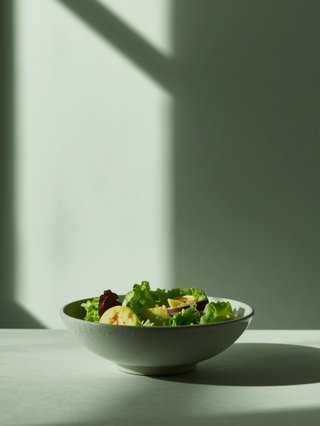
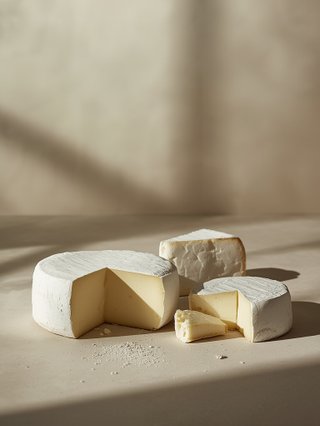
What to eat in the evening: list of recommended and forbidden foods for dinner – rules for healthy eating before sleep


Table of Contents 4
Medical & Editorial Disclaimer (§3 Terms): This article is for informational and educational purposes only, does not constitute medical advice, diagnosis, or treatment, and is used at your own risk. Consult a qualified physician for medical conditions.
Physiological insights reveal that as the body prepares for rest, digestive motility naturally slows, making heavy fats and refined sugars particularly disruptive to sleep architecture. Opting for lean proteins rich in tryptophan facilitates the synthesis of serotonin and melatonin, which are vital for deep sleep cycles. Incorporating modest portions of complex carbohydrates can further stabilize blood glucose levels, preventing the nocturnal adrenaline surges associated with reactive hypoglycemia that often lead to unwanted awakenings.
Practical evening nutrition focuses on choosing easily digestible proteins like poultry or white fish paired with warm, cooked vegetables rather than raw, gas-forming produce. Maintaining a consistent gap between the final meal and bedtime supports natural lipolysis and allows the glymphatic system to efficiently clear neurotoxins. By avoiding stimulants and fried foods in the evening, you create an optimal environment for cellular regeneration, waking up feeling refreshed and metabolically balanced.
Dinner is arguably surrounded by more persistent nutritional myths than any other daily meal—ranging from arbitrary curfews such as never eating after 6:00 PM to severe nocturnal fasts that inevitably prompt midnight refrigerator binges. Chronobiology and metabolic science conclusively demonstrate that what matters most is not an inflexible clock time, but macronutrient balance and digestibility relative to bedtime. A well-planned dinner supports overnight cellular repair, facilitates melatonin synthesis, stabilizes nocturnal glycemia, and avoids gastrointestinal strain for deep restorative sleep.
Nocturnal Digestive Physiology and Optimal Evening Meal Timing
During nocturnal rest, physiology shifts from daytime energy harvesting to cellular repair and metabolic maintenance. Gastric acid secretion, biliary motility, and pancreatic enzyme flow naturally decelerate, while systemic blood flow is redirected toward tissue restoration and neurocognitive glymphatic clearance. Chrononutrition establishes that the optimal window for dinner is 2 to 3 hours prior to sleep. Consuming heavy food immediately before bed forces active gastric churning, elevates core body temperature, and blunts nocturnal growth hormone release, whereas sleeping in severe caloric deprivation sparks nocturnal hypoglycemia and cortisol arousals.
Recommended Evening Foods: Digestible Protein, Tryptophan Sources, and Complex Carbs
The optimal dinner combines easily digestible complete protein with warm cooked vegetables and modest low-glycemic complex carbohydrates. Vital emphasis belongs to foods rich in L-tryptophan—the amino acid precursor of serotonin and nocturnal melatonin: pasture-raised poultry (turkey breast), eggs, lean white fish (cod, trout), cottage cheese, and pumpkin seeds. A measured serving of complex carbohydrates (quinoa, sweet potatoes, whole sourdough) stimulates gentle insulin release that clears competing amino acids, facilitating tryptophan passage across the blood-brain barrier. Steamed or roasted vegetables are preferred over raw roughage to eliminate nocturnal bloating.
Contraindicated Evening Foods: High Fats, Refined Sugars, Gas-Forming Foods, and Stimulants
Items to strictly exclude from dinner menus include foods that disrupt sleep architecture and strain gastric emptying:
• Deep-fried, fatty foods (fast food, greasy cuts, heavy cheeses): Dietary fats delay gastric clearance for up to 6–8 hours, triggering nocturnal acid reflux.
• Refined sugars and confectionery: Induce rapid insulin spikes followed by nocturnal reactive hypoglycemia that triggers adrenaline surges and awakenings.
• Highly gas-forming vegetables (beans, lentils, cabbage, raw onions): Produce gastrointestinal discomfort.
• Caffeine, dark chocolate, and alcohol: Caffeine blocks adenosine sleep pressure, while alcohol fragments sleep cycles, severely reducing vital REM sleep.
The Impact of Dinner on Sleep Architecture, Tissue Repair, and Metabolic Health
Deep slow-wave NREM sleep represents a biological sanctuary for cellular repair, musculoskeletal regeneration, and glymphatic neurotoxin clearance. An attuned dinner supplies steady amino acid substrates for protein synthesis while maintaining low baseline nocturnal insulin, unhindered growth hormone secretion. Maintaining a 2- to 3-hour fast before sleep naturally stimulates nocturnal lipolysis—allowing the sleeping body to draw energy from adipose stores, effortlessly supporting body recomposition without starvation.
Want to apply these guidelines in your daily diet?
Our smart diet generator creates a tailored meal plan in 3 minutes based on the recommendations in this article.
Tags

Isabella Taylor
• 25.11.2026Diets Premium Expert
Diets Premium team expert. Specializes in nutrition plans, strength sports, and training plans.