Traditional and modern beer compositions with herbs: characteristics of the varieties and benefits for the body
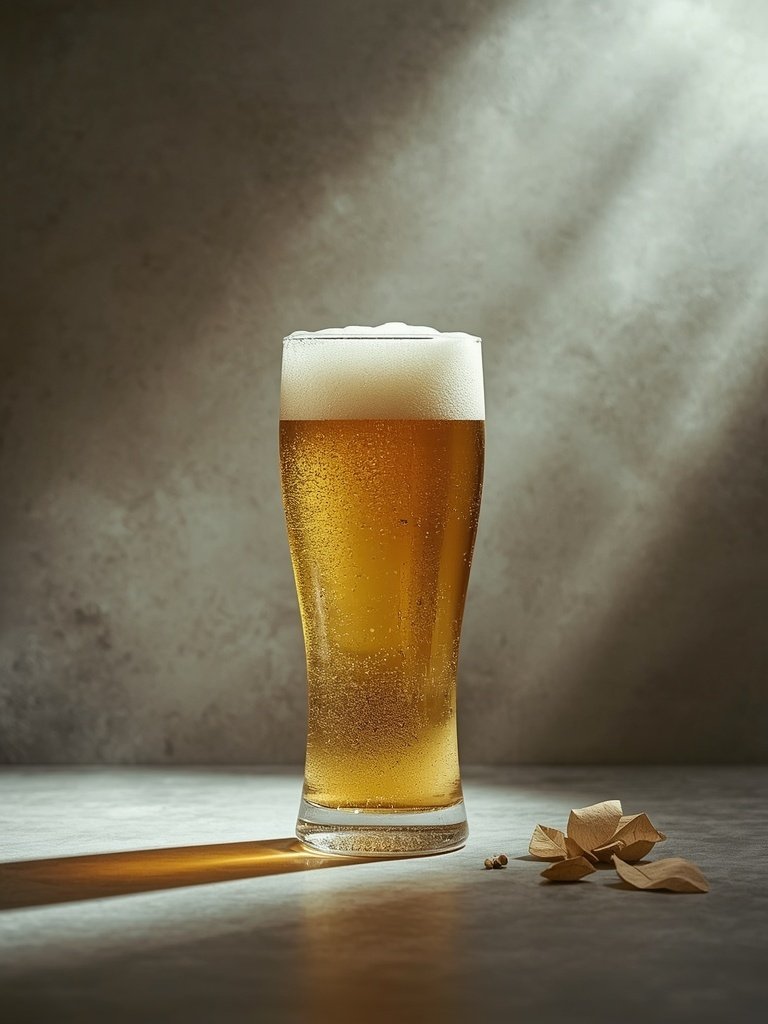
Table of Contents 3
Medical & Editorial Disclaimer (§3 Terms): This article is for informational and educational purposes only, does not constitute medical advice, diagnosis, or treatment, and is used at your own risk. Consult a qualified physician for medical conditions.
Throughout the brewing and conditioning stages, the inclusion of botanicals such as coriander seeds, fresh ginger root, and milk thistle introduces a rich array of functional phytochemicals, including essential oils, antioxidant polyphenols, and silymarin. These bioactive compounds interact harmoniously with the human organism, contributing to enhanced digestive comfort, mild anti-inflammatory support, and overall physiological resilience. The careful timing of botanical addition—whether during the boiling of the wort or through cold steeping—ensures the preservation of these delicate plant essences and their characteristic aromatic profiles.
For those wishing to explore herbal beers responsibly, selecting authentic craft varieties made with natural ingredients is paramount to appreciating their true sensory and qualitative depth. It remains essential to approach these specialized beverages with mindfulness, acknowledging that traditional botanicals complement rather than replace a balanced lifestyle and healthy dietary habits. Embracing the revival of historical brewing methods offers a rewarding avenue for culinary discovery, blending ancestral herbal knowledge with contemporary appreciation for quality and moderation.
Contemporary breweries continually pursue innovative approaches by incorporating meticulously selected herbal blends into traditional beer formulations, which not only amplify and diversify the beverage’s inherent flavor-aroma complexity but also demonstrate well-documented health-promoting properties. These botanical additives—many with centuries-old medicinal applications—have the potential to support the functioning of multiple bodily systems, alleviate symptoms of common ailments, and provide essential trace elements alongside bioactive compounds.
Herbal beer – historical gruit traditions and modern revival
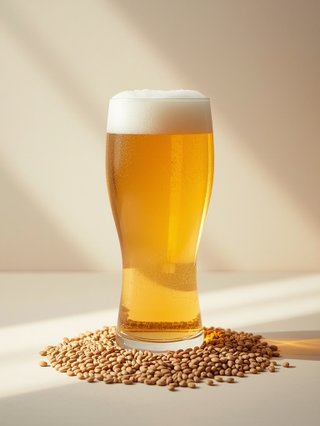
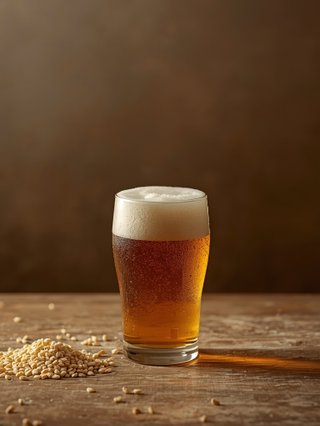
Herbal beer is a fermented beverage with a venerable heritage that predates the ubiquitous adoption of hops in brewing. Throughout medieval Europe, brewers crafted gruit ales utilizing indigenous botanical blends—such as sweet gale (Myrica gale), yarrow (Achillea millefolium), marsh Labrador tea, and wormwood—to impart characteristic bitterness, complex aroma, and microbial preservation. Today's craft brewing renaissance is reviving these historical methodologies, marrying time-honored fermentation processes with meticulously selected herbal blends to yield extraordinary sensory profiles unmatched by mass-produced lagers.
Botanical ingredients, spices, and flavor profiles
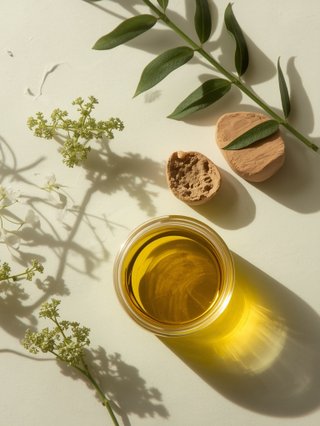
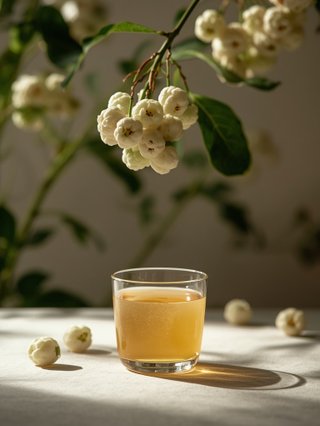
The sensory identity of an herbal beer depends directly upon the specific botanical components employed and the timing of their introduction—whether added to the boiling wort or steeped cold during conditioning. Common botanical adjuncts include cloves, coriander seeds, fresh ginger root, caraway, elderflowers, and milk thistle seeds. In wheat beer styles such as Belgian Witbier, crushed coriander paired with bitter Curacao orange peels provides signature citrusy brightness. Dark spiced ales frequently feature cloves, cardamom, and cinnamon, while summer ales incorporate lemongrass, peppermint, and floral elderberry blossoms for a crisp, refreshing finish.
Physiological effects, bioactives, and health considerations
Botanical infusions enrich beer with diverse functional phytochemicals, including flavonoids, essential oils, phenolic acids, and silymarin from milk thistle, which confers hepatoprotective properties. Coriander and caraway facilitate gastrointestinal motility and ease bloating, elderflowers supply antioxidant polyphenols that bolster immune resilience, and ginger provides gingerols with notable anti-inflammatory efficacy. Nevertheless, the therapeutic attributes of botanicals do not offset the pharmacological burdens of ethanol. Any alcoholic beer must be enjoyed in moderation, and non-alcoholic herbal brews or herbal teas represent superior choices for uncompromised physiological benefits.
Want to apply these guidelines in your daily diet?
Our smart diet generator creates a tailored meal plan in 3 minutes based on the recommendations in this article.

mgr Tim Klein
• 23.10.2026Diets Premium Expert
Diets Premium team expert. Specializes in nutrition plans, strength sports, and training plans.