Health benefits of berries: comparing American blueberries with wild berries and their unique benefits for the body
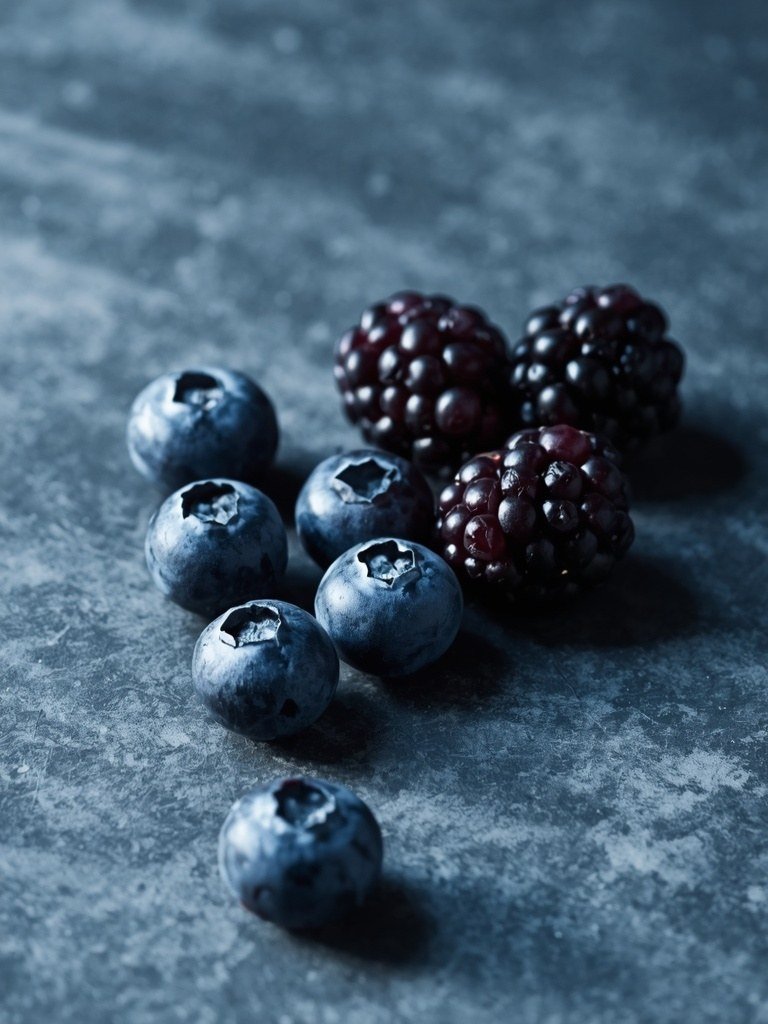
Table of Contents 4
Medical & Editorial Disclaimer (§3 Terms): This article is for informational and educational purposes only, does not constitute medical advice, diagnosis, or treatment, and is used at your own risk. Consult a qualified physician for medical conditions.
The physiological insights highlight the distinct roles of different varieties, such as the contrast between cultivated American blueberries and wild bilberries. While the American variety is noted for its folate content and its ability to support liver health and metabolic processes, the wild bilberry excels in its concentration of tannins and anthocyanins found throughout its dark flesh. These compounds contribute to vascular elasticity and provide astringent properties that help maintain digestive integrity by neutralizing environmental toxins within the intestinal tract.
Practical application involves diversifying berry intake to include blackberries, raspberries, and currants, ensuring a broad intake of dietary fibers, magnesium, and potassium. Fresh berries can be utilized to gently encourage digestive regularity, whereas dried versions offer traditional support for gastrointestinal balance. By making these nutrient-dense fruits a staple in daily nutrition, individuals can proactively support their nervous system and cardiovascular health through evidence-based dietary choices.
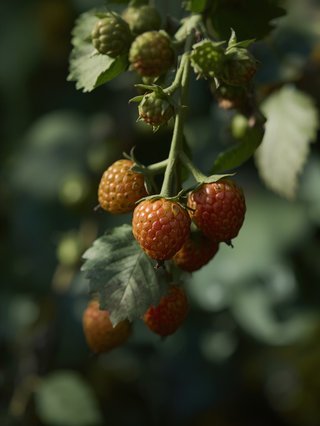
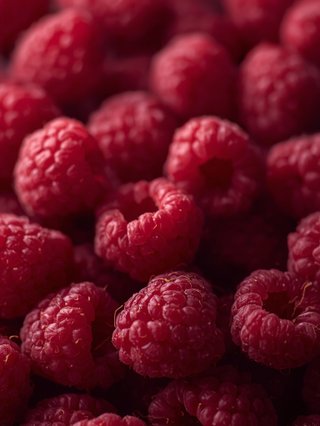
Berry fruits embody the quintessence of summer with their chromatic spectrum spanning deep reds, rich purples, and inky blacks—a visual testament to their dense polyphenolic composition. Each variety presents a distinct gustatory profile, balancing pronounced sweetness with invigorating tartness. These diminutive yet nutritionally potent gifts of nature have been the subject of extensive scientific inquiry for decades, with research consistently validating their multifaceted health benefits—ranging from cognitive function enhancement to modulation of inflammatory pathways.
Botanical diversity and general properties of berry fruits
Berry fruits encompass a wide variety including raspberries, blueberries, blackberries, wild strawberries, cranberries, chokeberries, black currants, and hawthorns. These unassuming small fruits pack a wealth of essential compounds:
- Natural pigments and potent polyphenols
- Antioxidants and protective tannins
- Dietary pectins and soluble fibers
- Vitamin C and easily digestible natural sugars
- Key minerals including magnesium, calcium, potassium, and iron
Thanks to these constituents, they exhibit strong antioxidant, anti-inflammatory, antiseptic, and alkalizing activities. They strengthen immunity, protect against oxidative stress, and support overall physiological homeostasis. Their health-promoting properties are widely utilized in gastronomy, natural cosmetics, and the pharmaceutical industry for developing preventive dietary supplements.
The nutritional and therapeutic potential of the American blueberry
The American blueberry (Vaccinium corymbosum) is native to North America and is now cultivated globally, including in New Zealand, Japan, Chile, and throughout Europe. It exhibits numerous medicinal properties:
- Potent antioxidant activity neutralizing reactive oxygen species
- Protection against chronic civilization diseases and malignant formations
- Folate concentration supporting proper nervous system development
- Presence of ellagic acid assisting in cellular protection
- Liver function enhancement and reduction of LDL cholesterol
Furthermore, it improves visual acuity, supporting cataract prevention and overall ocular health. Its balanced phytochemical profile optimizes blood parameters and promotes long-term metabolic vitality.
Therapeutic potential of European wild bilberries
The European bilberry (Vaccinium myrtillus L.), commonly known as the wild blueberry, thrives in forests and mountainous regions. It is renowned for supporting the treatment of numerous ailments:
- Mild laxative effect of fresh berries easing digestive sluggishness
- Anti-diarrheal properties of dried berries driven by high tannin content
- Neutralization of toxins and limitation of intestinal absorption
- Vascular elasticity enhancement via myrtillin anthocyanins
- Prevention of anemia by supporting red blood cell production with iron
They also lower blood glucose levels and improve retinal health, offering notable benefits for night vision and overall ocular microcirculation.
Comparison and conclusion: cultivated versus wild blueberries
According to scientific studies, wild bilberries contain higher amounts of tannins, providing stronger antibacterial, antiviral, and astringent properties, alongside a remarkably high overall antioxidant capacity compared to cultivated American blueberries.
- Darkly pigmented flesh in wild berries delivering intense polyphenol concentration
- Distinct phytochemical profile of American blueberries supporting liver and metabolic health
- Complementary nutritional benefits making both varieties exceptionally valuable
Ultimately, both wild bilberries and American blueberries boast exceptional nutritional compositions. Deciding which one is definitively healthier is challenging; the optimal health strategy is to enjoy both varieties as they come into season to secure maximum dietary advantages.
Want to apply these guidelines in your daily diet?
Our smart diet generator creates a tailored meal plan in 3 minutes based on the recommendations in this article.

Katarzyna Mazur
• 25.11.2026Diets Premium Expert
Diets Premium team expert. Specializes in nutrition plans, strength sports, and training plans.