Castor Oil – universal properties in skincare, medicine, and more: from cosmetics to home therapy
Table of Contents 5
Medical & Editorial Disclaimer (§3 Terms): This article is for informational and educational purposes only, does not constitute medical advice, diagnosis, or treatment, and is used at your own risk. Consult a qualified physician for medical conditions.
The physiological efficacy of the oil is rooted in its unique fatty acid profile, which provides exceptional humectant properties and deep penetration into the skin and hair structures. This allows it to act as a protective occlusive agent, aiding in the rejuvenation of brittle nails and the conditioning of hair follicles. While it also possesses potent properties that stimulate intestinal activity, such internal use is intended only for acute, short-term needs and requires careful handling to avoid adverse effects on the digestive system.
Practical application involves gently massaging the oil into nail beds to improve cuticle health or applying a minimal amount to lashes and brows to enhance their appearance and resilience. When incorporating castor oil into your regimen, focus on consistent, external use to support skin and hair vitality. Always prioritize high-quality sourcing and consult with a healthcare professional before using the oil for any therapeutic purpose, ensuring that it complements rather than replaces necessary medical guidance.
Castor oil, despite its remarkable versatility, remains frequently overlooked as a valuable resource across numerous fields—ranging from professional cosmetic applications to home-based treatments for a variety of ailments. Its unique bioactive compounds render it indispensable in the daily care of nails, eyebrows, eyelashes, and hair, delivering reinforcement, rejuvenation, and a vibrant appearance. Yet do we fully harness its capabilities? What underlying mechanisms account for its efficacy, and in which additional domains of life might it prove indispensable?
Castor oil – biochemical properties and fatty acid profile
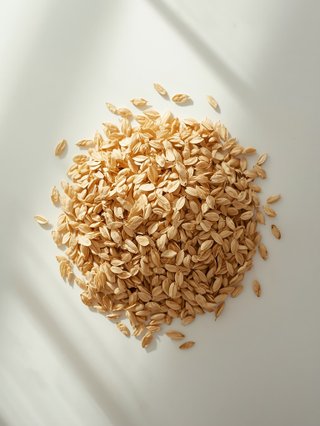
Castor oil is obtained by cold pressing the seeds of the castor bean plant (Ricinus communis). During controlled processing, the toxic water-soluble protein ricin is completely separated and denatured by heat, leaving behind a completely safe, pure lipid matrix. The oil owes its unique physiological properties to ricinoleic acid, which constitutes up to 90% of its total fatty acid profile. This monounsaturated hydroxylated fatty acid gives the oil exceptional humectant capacity, high viscosity, and broad-spectrum antimicrobial and regenerative efficacy, making it an indispensable home remedy.
Versatile applications in dermatology and home remedies
Due to its high penetrating power and regenerative qualities, castor oil is employed across numerous therapeutic fields. Applied externally as a warm castor oil pack, it aids in lymphatic drainage, reduces localized inflammatory swelling, and eases muscle aches. In dermatological care, it softens hyperkeratotic patches on elbows and heels, soothes superficial abrasions, and accelerates the fading of post-inflammatory hyperpigmentation. Its natural occlusive film protects compromised skin against atmospheric moisture loss and harsh environmental conditions.
Castor oil for constipation: physiological mechanisms and warnings
Castor oil is a recognized, potent stimulant laxative intended exclusively for acute, short-term constipation relief. Once ingested, intestinal lipases cleave the oil into ricinoleic acid, which stimulates prostanoid EP3 receptors on the small bowel mucosa, inducing vigorous peristaltic contractions within 2 to 6 hours. However, it must never be used as a routine laxative or for chronic constipation, as overuse causes severe fluid depletion, hypokalemia, and mucosal irritation. It is strictly contraindicated in pregnancy, intestinal obstruction, and acute appendicitis.
Castor oil for nail regeneration and cuticle care
Brittle, splitting nails and cracked periungual cuticles benefit significantly from daily castor oil treatments. The dense fatty acid network reinforces keratin matrix cohesion and seals the nail plate against chemical aggressors such as detergents and acetone-based removers. Gently massaging warm castor oil into the nail beds each night softens ragged cuticles, prevents microbial paronychia, and stimulates healthy, flexible nail plate growth.
Castor oil for lash and brow enhancement
One of the most celebrated beauty applications of castor oil is the conditioning of eyelashes and eyebrows. Applying a tiny droplet with a clean spoolie brush along lash tips nourishes the hair shaft, preventing premature breakage and mechanical shedding caused by makeup removal. Over several weeks of consistent nightly application, lashes and brows appear noticeably thicker, darker, and more glossy.
Want to apply these guidelines in your daily diet?
Our smart diet generator creates a tailored meal plan in 3 minutes based on the recommendations in this article.

mgr Emilia Szymańska
• 25.11.2026Diets Premium Expert
Diets Premium team expert. Specializes in nutrition plans, strength sports, and training plans.