Dental condition affects facial aesthetics!

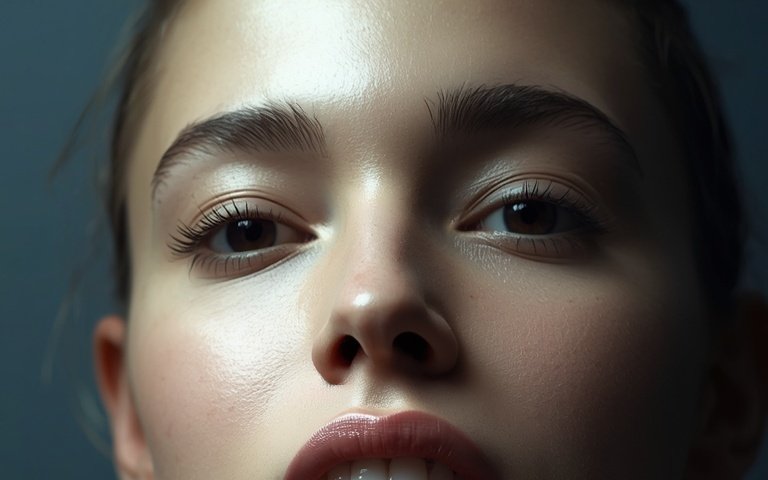
Table of Contents 4
Medical & Editorial Disclaimer (§3 Terms): This article is for informational and educational purposes only, does not constitute medical advice, diagnosis, or treatment, and is used at your own risk. Consult a qualified physician for medical conditions.
Physiologically, the loss of teeth triggers a reduction in alveolar bone density due to the lack of functional loading, which directly contributes to the collapse of perioral tissues and the deepening of nasolabial folds. Furthermore, conditions such as bruxism or chronic muscle hypertonicity can lead to facial asymmetry and altered jaw contours, as the stomatognathic system struggles to compensate for occlusal instability. These biomechanical shifts highlight how dental health is inextricably linked to the structural harmony of the entire face.
To preserve facial aesthetics and functional health, prioritizing regular dental evaluations and addressing malocclusions or tooth loss is highly recommended. Modern restorative and orthodontic approaches can effectively reconstruct the vertical dimension of occlusion, offering a non-surgical way to restore facial symmetry and support the skin's natural tension. By maintaining a healthy and stable bite, individuals can support their long-term facial aesthetics and ensure the continued health of their oral and muscular systems.
The teeth shape the expression of the face
Alveolar bone resorption and premature aging of the lower facial third
Malocclusion, bruxism, and asymmetry: Masseter hypertonicity and facial contour alterations
Advanced restorative prosthodontics and orthodontics in reclaiming youthful facial symmetry
Want to apply these guidelines in your daily diet?
Our smart diet generator creates a tailored meal plan in 3 minutes based on the recommendations in this article.

Alicja Kowalska
• 23.10.2026Diets Premium Expert
Diets Premium team expert. Specializes in nutrition plans, strength sports, and training plans.