PRO 9 min read

Study Results in Athletes – Parameters That May Deviate from Normal

Study Results in Athletes – Parameters That May Deviate from Normal
1 photo
528

Smart Voice

AI
0:00
0:00
Listen to the article content live
Table of Contents 22
PRO Content PRO

This article is professional premium content (PRO) provided in its entirety.

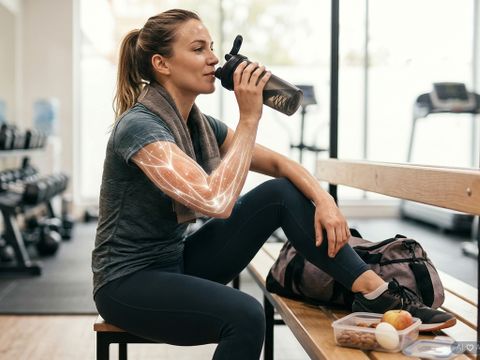
Both professional and amateur sport require the body to exert much more effort than the average daily activity. Regular and intensive training has an impact not only on the muscular and circulatory systems, but also on the biochemical and hematological parameters that are typically evaluated in laboratory tests. Very physically active individuals may exhibit deviations of many indicators from accepted reference norms, but this does not always indicate disease. In order to correctly interpret deviations occurring in athletes, it is necessary to understand the physiological adaptations that take place in the body in response to physical activity.
01 / 22

Standardized laboratory diagnostics in sports medicine for evaluating fitness and physiological adaptation

The systematic assessment of biochemical markers and complete blood count represents a cornerstone of preventive health strategies in athletic populations, while also facilitating a detailed evaluation of the body’s responses to high-intensity training and physical stress. The core panel of routinely recommended tests for actively competing athletes includes the following parameters: complete blood count with differential, iron and ferritin panel, inflammatory markers (CRP), electrolyte balance, creatine kinase (CK), liver transaminases (ALT, AST), glucose homeostasis, endocrine profiling, and comprehensive lipid metrics.
02 / 22

Complete peripheral blood count with differential analysis

This laboratory examination constitutes a fundamental diagnostic tool for the comprehensive evaluation of an individual’s physiological status. Its primary objective is the detection of potential disturbances, including iron deficiency states that may lead to anemia, inflammatory processes of bacterial or viral etiology, and excessive activation of the body’s immunological defense mechanisms. In the context of athletically active individuals, particular attention is directed toward parameters associated with oxygen transport capacity—specifically, the concentration of the blood pigment (hemoglobin), the ratio of formed element volume to plasma (hematocrit), and the mean corpuscular volume of erythrocytes (MCV)—as these metrics may indicate adaptive responses or circulatory system strain under physical exertion.
03 / 22

C-Reactive Protein (CRP) – Biomarker of Inflammation and Recovery

C-reactive protein (CRP) is a diagnostic biomarker of inflammatory origin whose elevated levels may indicate the presence of infectious processes within the body, excessive physical exertion, or insufficient post-exercise recovery, thereby serving as a valuable tool for health status monitoring and the refinement of training regimens.
04 / 22

Comprehensive electrolyte concentration assessment: sodium (Na), potassium (K), magnesium (Mg), and calcium (Ca)

The electrolyte panel is a diagnostic evaluation of fluid homeostasis and ionic balance, essential for optimal neuromuscular transmission and acid-base equilibrium.
05 / 22

Creatine phosphokinase (CK) – a biochemical marker of skeletal and cardiac muscle micro-injury

Creatine kinase (CK) is a critical catalytic enzyme whose elevated serum levels reflect the extent of sarcoplasmic myocyte disruption induced by post-exercise microtrauma.
06 / 22

Hepatic enzymatic biomarkers: alanine aminotransferase (ALT) and aspartate aminotransferase (AST) – pivotal indicators of hepatocyte injury

These metrics indicate the disruption of cellular architectures housing these biochemical catalysts, with a predominant focus on hepatic parenchyma. Furthermore, creatinine and urea concentrations reflect glomerular filtration efficacy and nitrogenous catabolism, subject to alterations under conditions of vigorous physical exertion or the administration of specific nutritional or pharmacological supplements.
07 / 22

Blood glucose concentration and insulin metrics: essential indicators of metabolic function

A thorough examination of the regulatory mechanisms governing carbohydrate metabolism, which are of paramount importance for optimizing energy balance and tailoring individualized dietary strategies across diverse physiological and pathological conditions.
08 / 22

Assessment of cortisol levels and thyroid function markers (thyroid-stimulating hormone, free triiodothyronine, free thyroxine) in response to physical exertion

Comprehensive evaluation of stress hormone secretion dynamics and thyroid metabolic regulation in response to intense physical exertion, accounting for potential endocrinological dysfunctions.
09 / 22

Comprehensive lipid parameter assessment: total serum cholesterol, HDL and LDL fractions, and triglyceride concentration

A systematic evaluation of key metabolic indicators within the cardiovascular system, of particular relevance under conditions of elevated physical exertion or oxidative stress. Periodic monitoring of these biomarkers facilitates the detection of subclinical disturbances in lipid homeostasis—such as imbalances between cholesterol fractions, hypertriglyceridemia, or antioxidant deficiencies—which may adversely impact both overall health and the body’s adaptive mechanisms during high-intensity training. These assessments serve as a critical tool for primary and secondary prevention, as corroborated by recent scientific evidence, including the 2023 publication by Dr. D. Rodríguez-Sanz, which underscores the link between proactive diagnostic screening and the optimization of physical performance capacity.
10 / 22

Laboratory markers diverging from reference ranges in physically active individuals: When they are not cause for concern

Individuals engaged in systematic physical training may exhibit diagnostic test results that fall outside established reference intervals, yet this does not inherently signify a pathological condition. Typically, these deviations represent physiologically justified responses to sustained and high-intensity exercise, encompassing adjustments in metabolic pathways, circulatory dynamics, or recovery processes that reflect the body’s adaptation to elevated physical demands.
11 / 22

Creatine phosphokinase (CK): A biomarker of muscle exertion and recovery dynamics

An elevated concentration of creatine kinase (CK) in blood serum represents a commonly documented phenomenon following strenuous or prolonged physical exertion, particularly among individuals engaged in systematic athletic training. This enzyme, predominantly localized within skeletal muscle tissue, is released into circulation due to structural microtrauma affecting muscle fibers—a natural consequence of exercise-induced stress. In high-performance athletes, CK levels may frequently surpass standard reference ranges by severalfold, yet such elevations need not correlate with clinical symptomatology nor indicate underlying muscle pathology. Under these circumstances, the observed deviations should be construed as a physiological adaptive response to exercise stimuli, necessitating contextual interpretation that accounts for variables such as the timing of sample collection, the nature of the physical activity performed, and the individual’s overall health and conditioning status. Crucially, following adequate recovery periods, these biochemical markers typically revert to baseline values, as substantiated by recent research, including the 2023 study by Leite et al., which elucidates the temporal dynamics of these adaptive processes within the framework of training-induced muscular remodeling.
12 / 22

Hepatic enzymatic biomarkers: ALT and AST transaminases – clinical interpretation and non-hepatic influencing factors

Elevated activities of alanine aminotransferase (ALT) and aspartate aminotransferase (AST) do not necessarily indicate hepatocellular injury, despite their widespread use as markers of liver function. Clinically significant deviations typically involve values exceeding reference ranges by hundreds of units, necessitating comprehensive differential diagnosis. ALT, being more specific to hepatocytes, serves as a more reliable indicator of liver damage, whereas AST is also present in substantial quantities in skeletal muscle tissue, cardiac muscle, and erythrocytes. In physically active individuals, particularly following intense exercise, increased AST levels—and occasionally ALT—may stem from microtrauma to muscle fibers and associated reparative processes rather than hepatic pathology. Consequently, accurate interpretation of results must consider the full clinical context, including the patient’s exercise history and concomitant laboratory parameters such as creatine kinase (CK) levels, the elevation of which may confirm a muscular origin of the observed changes (as demonstrated in studies by Khatri et al., published in 2021).
13 / 22

Erythropoietin (EPO) and Red Blood Cell Dynamics in Aerobic Adaptation

Individuals engaged in sustained, high-intensity physical training—particularly under conditions of prolonged, repetitive exertion—frequently exhibit an elevated count of red blood cells (erythrocytes) alongside an augmented synthesis of erythropoietin, the glycoprotein hormone responsible for stimulating erythropoiesis. These alterations represent a physiological adaptive response and are characterized by prolonged persistence, thereby enhancing the organism’s capacity for efficient oxygen transport and utilization within peripheral tissues.

14 / 22

Blood indices in athletes: Hemoglobin and hematocrit within the framework of exercise-induced physiological adaptation

Endurance athletes frequently exhibit reduced hemoglobin concentrations alongside decreased hematocrit levels, which may initially raise concerns about anemia. However, in most instances, this phenomenon represents **sports-related pseudoanemia**—a physiological adaptation characterized by **relative blood dilution** due to expanded plasma volume. This mechanism constitutes the body’s **adaptive response to sustained physical exertion**, designed to **enhance thermoregulatory capacity** and **facilitate more efficient oxygen delivery** to tissues. Critically, in pseudoanemia, the **erythrocyte count remains within normal limits**, while the decline in hemoglobin concentration stems solely from the increased fluid component of blood. This condition **does not necessitate medical intervention**, but it is imperative to **distinguish it from genuine iron deficiency**, which requires a comprehensive evaluation of additional laboratory markers. In sports pseudoanemia, parameters such as **mean corpuscular volume (MCV) and ferritin levels typically remain within reference ranges—or may even be mildly elevated**—whereas true iron deficiency is marked by **reduced MCV, diminished erythrocyte counts, lowered ferritin concentrations**, and **clinical manifestations of anemia**, including persistent fatigue and weakness (Damian et al., 2021).
15 / 22

Dynamics of C-Reactive Protein (CRP) in Response to High-Intensity Exercise

Sustained, high-intensity physical activity induces microscopic damage to muscle fibers and connective tissues, thereby triggering localized inflammatory responses that constitute an indispensable component of the body’s reparative processes. As a direct consequence, a temporary elevation in circulating C-reactive protein (CRP) concentrations may occur, a phenomenon substantiated by the research conducted by F. Baygutalp and colleagues in 2021. A parallel reaction may manifest under conditions of excessive training load or inadequate recovery intervals between exercise sessions.

16 / 22

Electrolyte imbalance disorders: the role of sodium and potassium during physical activity in thermal conditions

During periods of vigorous physical exertion—particularly in elevated ambient temperatures and with insufficient fluid replacement—transient disruptions to the body’s electrolyte homeostasis may occur. A frequently documented phenomenon is the reduction in blood sodium concentration, termed exercise-associated hyponatremia, which arises from excessive sodium loss through perspiration coupled with the ingestion of substantial volumes of electrolyte-free water (as evidenced by Knechtle et al.’s 2019 research). Conversely, an elevation in the levels of other electrolytes, such as potassium, may result from heightened skeletal muscle activity, wherein contracting muscle fibers release ions into the circulatory system (a mechanism corroborated by Atanasovska et al.’s 2014 findings). Most such deviations are temporary in nature and resolve spontaneously following cessation of activity, adequate rehydration, and targeted replenishment of electrolyte deficits.
17 / 22

Stress hormone: cortisol level assessment in the context of physical exertion and overtraining syndromes

The concentration of cortisol—commonly referred to as the "stress hormone"—undergoes a physiological elevation in response to stress-inducing stimuli, whether psychological or physical in nature, such as during high-intensity training sessions or competitive athletic events. Among physically active individuals, post-exercise elevations in cortisol levels represent a standard adaptive response, primarily facilitating the mobilization of energy reserves and modulating inflammatory processes within the body (Villavicencio et al., 2021). It is critical to emphasize, however, that chronically sustained excessive cortisol concentrations may signal the onset of overtraining syndrome—a pathological condition that ultimately results in diminished physical performance, persistent fatigue, sleep disruptions, and compromised immune function. For this precise reason, routine monitoring of cortisol levels should be regarded as an indispensable component of health maintenance protocols for athletes (guidance: Glandorf et al., 2025).
18 / 22

Testosterone: Physiological roles and exercise-induced adaptive mechanisms in the human body

Testosterone, serving as the primary androgenic hormone in males, governs critical metabolic processes associated with skeletal muscle hypertrophy, cellular regeneration, and the enhancement of physical performance metrics. In females, despite significantly lower circulating concentrations relative to males, it fulfills indispensable regulatory functions pertaining to the maintenance of musculoskeletal equilibrium, bone mineral density, and overall energetic vitality. Systematic physical activity—particularly of high-intensity resistance nature—induces elevated fasting baseline testosterone levels in athletes, reflecting the organism’s adaptive response to chronic anabolic training stimuli.
19 / 22

Creatinine and blood urea nitrogen markers in the context of physical activity and supplementation

Serum creatinine and blood urea nitrogen (BUN) concentrations serve as pivotal diagnostic markers for assessing renal function and the catabolic rate of protein metabolism. In athletes—particularly those engaged in strength or endurance disciplines—these parameters frequently exhibit physiological elevations attributable to exercise-induced metabolic adaptations and heightened skeletal muscle demand. Creatinine, the terminal metabolite of phosphocreatine utilized during muscle contractions, demonstrates a direct correlation with total muscle mass; consequently, elevated creatinine levels in individuals with substantial muscular development (especially resistance-trained athletes) do not inherently indicate renal pathology but may reflect a physiological response to sustained physical exertion. Furthermore, the widespread use of creatine monohydrate supplementation among athletes augments intramuscular phosphocreatine stores, potentially resulting in a modest, transient increase in serum creatinine—an effect that, when accompanied by adequate hydration and dosing protocols, should not be misconstrued as evidence of kidney dysfunction. Urea, a byproduct of amino acid deamination, mirrors both dietary protein intake and its catabolic breakdown within the body. Athletes adhering to high-protein diets (exceeding 2 g protein/kg body weight/day) and subjected to rigorous training regimens often present with elevated BUN levels, a trend that may be further amplified by the consumption of large quantities of protein supplements (e.g., whey isolates). Research (including Lee et al., 2017) corroborates that in healthy, well-hydrated athletes, moderate increases in these biomarkers typically represent a physiological adaptation to heightened metabolic and energetic demands rather than an indication of impaired renal function.
20 / 22

Physiological adaptive benefits derived from consistent athletic training in competitors

While certain physiological markers in athletes may substantially diverge from conventional reference ranges—potentially raising concerns among sedentary individuals—most of these deviations represent advantageous adaptations of the body to sustained physical exertion. These modifications are not only beneficial for competitive athletes but also highly desirable within the general population, as they indicate optimal metabolic and cardiovascular function. Among the most frequently observed and favorable alterations are: **a reduction in arterial blood pressure**, **a decreased resting heart rate**, **an enhanced lipid profile** (including elevated high-density lipoprotein levels alongside reduced low-density lipoprotein and triglyceride concentrations), **improved glycemic regulation** (manifested as lower fasting glucose levels and heightened tissue sensitivity to insulin), as well as **an increase in lean muscle mass** and **elevated bone mineral density**. Extensive research, including the 2017 study by R.B. Jr. Batacan and colleagues, confirms that consistent physical training—despite inducing specific adaptive responses—contributes to a multitude of health benefits across diverse physiological systems.
21 / 22

Comprehensive assessment and interpretation of laboratory parameters in athletes within the framework of their lifestyle and training intensity

Accurate evaluation of diagnostic test results in individuals engaged in regular athletic activity necessitates a comprehensive approach that incorporates not only the laboratory indicators themselves but also a thorough examination of daily habits, training load intensity, and the specific demands of the sport discipline. Neglecting these factors may result in the misclassification of physiological adaptive responses as pathological conditions, thereby leading to unjustified recommendations for additional medical procedures. The most effective diagnostic protocol should rely on interdisciplinary collaboration—involving sports medicine specialists, exercise physiologists, personal coaches, and the athletes themselves—to ensure precise differentiation between normal physiological reactions and disease symptoms and to devise a tailored therapeutic or preventive action plan.
22 / 22

Identification of overtraining syndrome in athletes through analysis of diagnostic parameters and biochemical markers

Overtraining syndrome constitutes a pathological response of the organism to chronic training overload that exceeds its regenerative capacity, resulting in a progressive decline in physical performance alongside psychological and physiological exhaustion symptoms. Within the diagnostic framework, specialized laboratory investigations play a pivotal role by facilitating a comprehensive assessment of the body’s adaptive mechanisms in response to intense exertion while enabling early detection of potential metabolic or hormonal dysfunctions. Among the most critical parameters is the testosterone-to-cortisol ratio (T/C ratio), which serves as a reliable indicator of the balance between anabolic and catabolic processes. A substantial decrease in this ratio may signify the predominance of catabolic activity and systemic overload.

Additionally, elevated serum levels of creatine kinase (CK) frequently correlate with the presence of microscopic muscle fiber damage, whereas increased concentrations of C-reactive protein (CRP) and pro-inflammatory cytokines may indicate a persistent inflammatory state of metabolic origin. To obtain a more complete clinical profile, the use of standardized psychometric questionnaires is also recommended, as these allow for monitoring subjective parameters such as overall psychological well-being, sleep quality and efficiency, perceived fatigue levels, and intrinsic motivation for training. Deterioration in these indicators often precedes observable biochemical changes, thereby serving as an early warning signal that may prevent the progression to full-blown overtraining syndrome (Soler-López et al., 2024).

Meal Plan

Want to apply these guidelines in your daily diet?

Our smart diet generator creates a tailored meal plan in 3 minutes based on the recommendations in this article.

Atanasovska T. et al., Plasma K+ dynamics and implications during and following intense rowing exercise, „Journal of Applied Physiology” 2014, 117(1), 60–68.
Batacan R.B. Jr. et al., Effects of high-intensity interval training on cardiometabolic health: a systematic review and meta-analysis of intervention studies, „British Journal of Sports Medicine” 2017, 51(6), 494–503.
Baygutalp F. et al., Impacts of different intensities of exercise on inflammation and hypoxia markers in low altitude, „BMC Sports Science, Medicine and Rehabilitation” 2021, 13(1), 145.
Damian M.T. et al., Anemia in Sports: A Narrative Review, „Life” 2021, 11(9), 987.
Glandorf H.L. et al., Athlete Burnout and Biomarkers: An Exploratory, Longitudinal N-of-1 Study, „Psychology of Sport and Exercise” 2025, 102870.
Khatri P. et al., Strenuous Exercise-Induced Tremendously Elevated Transaminases Levels in a Healthy Adult: A Diagnostic Dilemma, „Case Reports in Hepatology” 2021, 2021, 6653266.
Knechtle B. et al., Exercise-Associated Hyponatremia in Endurance and Ultra-Endurance Performance-Aspects of Sex, Race Location, Ambient Temperature, Sports Discipline, and Length of Performance: A Narrative Review, „Medicina (Kaunas)” 2019, 55(9), 537.
Lee E.C. et al., Biomarkers in Sports and Exercise: Tracking Health, Performance, and Recovery in Athletes, „The Journal of Strength and Conditioning Research” 2017, 31(10), 2920–2937.
Leite C.D.F.C. et al., Exercise-Induced Muscle Damage after a High-Intensity Interval Exercise Session: Systematic Review, „International Journal of Environmental Research and Public Health” 2023, 20(22), 7082.
Mennitti C. et al., How Does Physical Activity Modulate Hormone Responses?, „Biomolecules” 2024, 14(11), 1418.
Rodrıguez-Sanz D., Physical Activity, Exercise Testing and Clinical Assessment in Sports Medicine, „Journal of Clinical Medicine” 2023.
Soler-López A. et al., The Role of Biomarkers in Monitoring Chronic Fatigue Among Male Professional Team Athletes: A Systematic Review, „Sensors” 2024, 24(21), 6862.
Villavicencio P. et al., Effects of Acute Psychological and Physiological Stress on Rock Climbers, „Journal of Clinical Medicine” 2021, 10, 5013.
Scientifically reviewed by a clinical dietitian • 25.09.2026

Atanasovska T. et al., Plasma K+ dynamics and implications during and following intense rowing exercise, „Journal of Applied Physiology” 2014, 117(1), 60–68. Batacan R.B. Jr. et al., Effects of high-intensity interval training on cardiometabolic health: a systematic review and meta-analysis of intervention studies, „British Journal of Sports Medicine” 2017, 51(6), 494–503. Baygutalp F. et al., Impacts of different intensities of exercise on inflammation and hypoxia markers in low altitude, „BMC Sports Science, Medicine and Rehabilitation” 2021, 13(1), 145. Damian M.T. et al., Anemia in Sports: A Narrative Review, „Life” 2021, 11(9), 987. Glandorf H.L. et al., Athlete Burnout and Biomarkers: An Exploratory, Longitudinal N-of-1 Study, „Psychology of Sport and Exercise” 2025, 102870. Khatri P. et al., Strenuous Exercise-Induced Tremendously Elevated Transaminases Levels in a Healthy Adult: A Diagnostic Dilemma, „Case Reports in Hepatology” 2021, 2021, 6653266. Knechtle B. et al., Exercise-Associated Hyponatremia in Endurance and Ultra-Endurance Performance-Aspects of Sex, Race Location, Ambient Temperature, Sports Discipline, and Length of Performance: A Narrative Review, „Medicina (Kaunas)” 2019, 55(9), 537. Lee E.C. et al., Biomarkers in Sports and Exercise: Tracking Health, Performance, and Recovery in Athletes, „The Journal of Strength and Conditioning Research” 2017, 31(10), 2920–2937. Leite C.D.F.C. et al., Exercise-Induced Muscle Damage after a High-Intensity Interval Exercise Session: Systematic Review, „International Journal of Environmental Research and Public Health” 2023, 20(22), 7082. Mennitti C. et al., How Does Physical Activity Modulate Hormone Responses?, „Biomolecules” 2024, 14(11), 1418. Rodrıguez-Sanz D., Physical Activity, Exercise Testing and Clinical Assessment in Sports Medicine, „Journal of Clinical Medicine” 2023. Soler-López A. et al., The Role of Biomarkers in Monitoring Chronic Fatigue Among Male Professional Team Athletes: A Systematic Review, „Sensors” 2024, 24(21), 6862. Villavicencio P. et al., Effects of Acute Psychological and Physiological Stress on Rock Climbers, „Journal of Clinical Medicine” 2021, 10, 5013.

Diets Premium Expert

Diets Premium team expert. Specializes in nutrition plans, strength sports, and training plans.

USDA FoodData Central EFSA PubMed Clinical Guidelines
Loading
Recommended articles in this category

Related Articles

Discover similar publications and expert insights.

How to Care for Correct Movement Patterns
Sport
How to Care for Correct Movement Patterns
⏱ 12 min czytania
#Sport #Physical Activity
Is it genuinely beneficial to take this factor into account when creating a training plan?
Sport
Is it genuinely beneficial to take this factor into account when creating a training plan?
⏱ 10 min czytania
#Sport #Physical Activity
Running as a Fundamental Training Tool
Physical Activity
Running as a Fundamental Training Tool
⏱ 3 min czytania
#Physical Activity #Fit
Physical Activity in Spring – Consider These Options
Physical Activity
Physical Activity in Spring – Consider These Options
⏱ 5 min czytania
#Physical Activity #Outdoor
Train in Boxing – Strengthen Your Muscles and Fight!
Physical Activity
Train in Boxing – Strengthen Your Muscles and Fight!
⏱ 4 min czytania
#Physical Activity #Boxing
Physical Activity and Mental Health – The Impact of Movement on Well-being
Physical Activity
Physical Activity and Mental Health – The Impact of Movement on Well-being
⏱ 5 min czytania
#Physical Activity #Mental Health
How to Shape Abdominal Muscles
Sport
How to Shape Abdominal Muscles
⏱ 5 min czytania
#Sport #Physical Activity
How to Choose the Suitable Sport When Suffering from Painful Conditions
Physical Activity
How to Choose the Suitable Sport When Suffering from Painful Conditions
⏱ 4 min czytania
#Physical Activity #Sport
Battle Club – Boxing Training!
Boxing
Battle Club – Boxing Training!
⏱ 3 min czytania
#Boxing #Sport
Do I Really Have Diabetes or Can I Train Intensively?
Sport
Do I Really Have Diabetes or Can I Train Intensively?
⏱ 3 min czytania
#Sport #Diabetes
Athlete Triad – Disorder in Exercising Women
Physical Activity
Athlete Triad – Disorder in Exercising Women
⏱ 6 min czytania
#Physical Activity #Health Benefits
Essential nutritional considerations for optimizing the dietary regimen of physically active individuals
Nutritional Requirements
Essential nutritional considerations for optimizing the dietary regimen of physically active individuals
⏱ 8 min czytania
#Nutritional Requirements #Physical Activity
The paleolithic diet in athletic performance - evaluating advantages and disadvantages
Physical Activity
The paleolithic diet in athletic performance - evaluating advantages and disadvantages
⏱ 3 min czytania
#Physical Activity #Athletic Performance
The Role of Magnesium in Athletic Performance: Mechanisms, Deficiency Signs, and Supplementation Strategies
Sports Nutrition
The Role of Magnesium in Athletic Performance: Mechanisms, Deficiency Signs, and Supplementation Strategies
⏱ 4 min czytania 📚 Sports Nutrition
#Athletic Performance #Physical Activity
Sculpt Your Muscles While Swimming
Muscle
Sculpt Your Muscles While Swimming
⏱ 3 min czytania 📚 Muscle
#Calories #Sport
The 10 Most Captivating Truths about Diet
Quick
The 10 Most Captivating Truths about Diet
⏱ 4 min czytania
#Quick #Sport
Unique Attributes and Accomplishments of CrossFit Training
Sport
Unique Attributes and Accomplishments of CrossFit Training
⏱ 10 min czytania
#Sport
The Role of Iron in the Human Body
Pregnancy & Motherhood
The Role of Iron in the Human Body
⏱ 4 min czytania 📚 Pregnancy & Motherhood
#Tuna #Iron
75 of the Most Impressive Polish Figures in Strength and Conditioning Training!
Strength Training
75 of the Most Impressive Polish Figures in Strength and Conditioning Training!
⏱ 104 min czytania
#Strength Training #Conditioning
The Diet of a Young Athlete as the Key to Success - Guidelines
Energy
The Diet of a Young Athlete as the Key to Success - Guidelines
⏱ 8 min czytania 📚 Energy
#Strength #Equipment
Benefits of Training with a Broken Grip
Strength Training
Benefits of Training with a Broken Grip
⏱ 4 min czytania
#Strength Training #Strength
Most Significant Aspect, Namely Stretching
Stretching
Most Significant Aspect, Namely Stretching
⏱ 4 min czytania
#Stretching #Sport
Muscle Strength Management
Flexibility
Muscle Strength Management
⏱ 5 min czytania
#Flexibility #Endurance
Muay Thai: A Thousand Years of History
Martial Arts
Muay Thai: A Thousand Years of History
⏱ 5 min czytania
#Martial Arts #Sport
How to Motivate Yourself to Do Sports?
Sport
How to Motivate Yourself to Do Sports?
⏱ 2 min czytania
#Sport
Are there Concrete Methods Available for Use During Strength Training?
Strength Training
Are there Concrete Methods Available for Use During Strength Training?
⏱ 7 min czytania
#Strength Training #Strength
The medical condition known as Osgood-Schlatter disease
Sport
The medical condition known as Osgood-Schlatter disease
⏱ 3 min czytania
#Sport #Musculoskeletal System
Emulate Bruce Lee - Practice Martial Arts!
Martial Arts
Emulate Bruce Lee - Practice Martial Arts!
⏱ 4 min czytania
#Martial Arts #Stationary
What is the Advantage of Implementing a Corrective Training Regime?
Sitting
What is the Advantage of Implementing a Corrective Training Regime?
⏱ 5 min czytania
#Sitting #Daily Activities
Buddy, hit the road!
Fat Reduction
Buddy, hit the road!
⏱ 4 min czytania
#Fat Reduction #Sport

Share