Soy and glass noodles (vermicelli) – ingredients, nutritional properties, preparation, and recipes
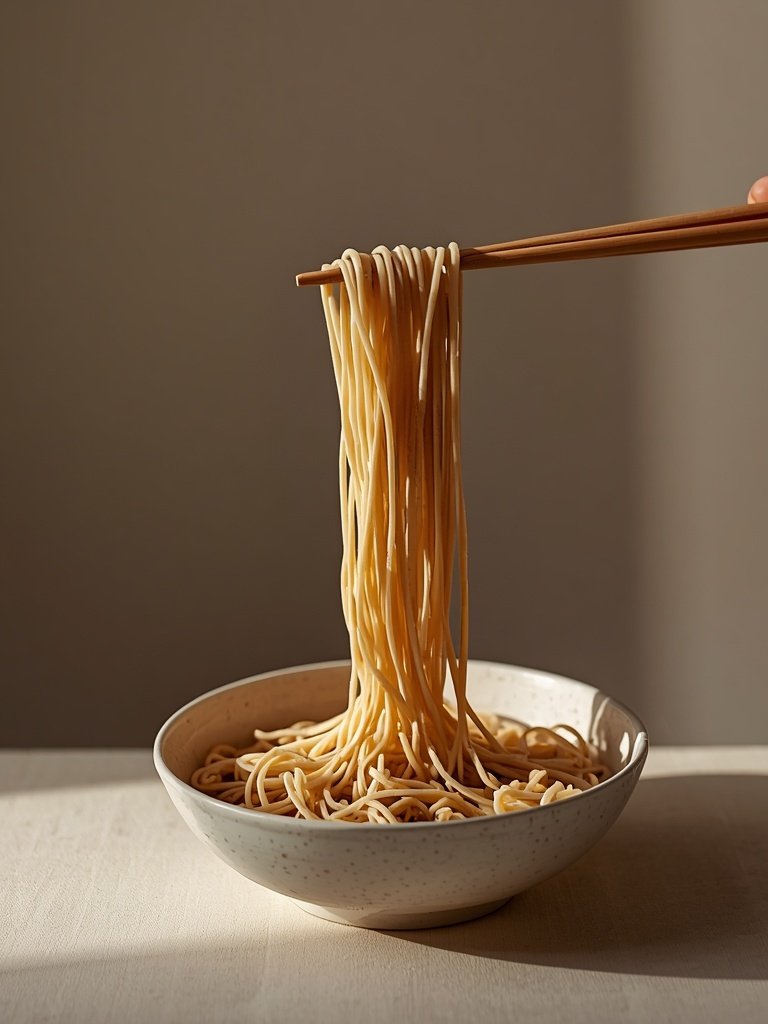
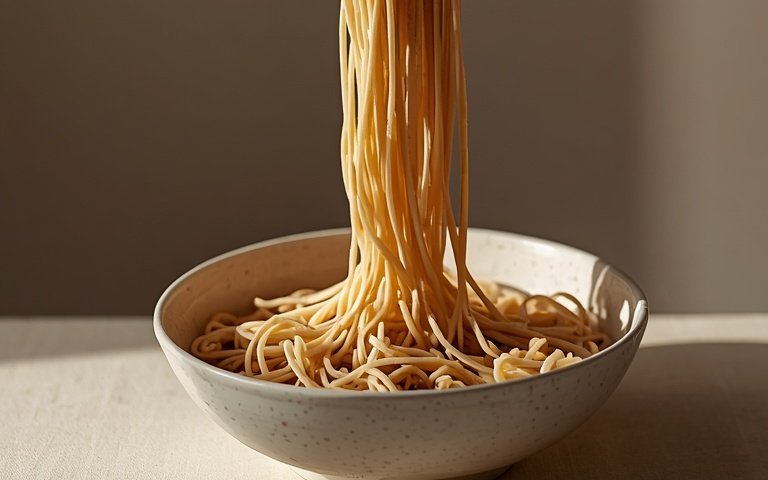
Table of Contents 4
Medical & Editorial Disclaimer (§3 Terms): This article is for informational and educational purposes only, does not constitute medical advice, diagnosis, or treatment, and is used at your own risk. Consult a qualified physician for medical conditions.
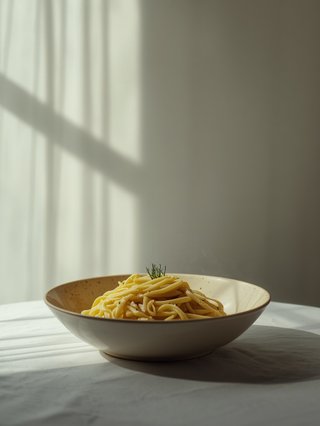
Physiologically, authentic cellophane noodles extruded from mung bean starch feature complex carbohydrate structures that undergo gradual enzymatic breakdown. This slow digestion helps prevent sharp spikes in blood sugar, promoting sustained satiety and metabolic balance. Conversely, options crafted from soy flour deliver plant-based proteins alongside essential minerals like iron and magnesium, as well as bioactive compounds that support systemic wellness. Both preparations act as exceptional flavor absorbents, drawing in the rich aromas of herbs, broths, and dressings without losing their unique textural integrity.
In daily culinary applications, transparent vermicelli stands out for its minimal preparation requirements, typically needing only a brief steep in hot water rather than active stovetop boiling. A quick cold-water rinse arrests thermal cooking and preserves the supple texture of the translucent strands. Incorporating these versatile noodles into fresh rice paper rolls, crisp herb salads, or light broth dishes offers an accessible, naturally gluten-free way to enjoy vibrant flavors while nurturing overall dietary balance.
Soy Noodles vs Mung Bean Glass Noodles – Sourcing Differences
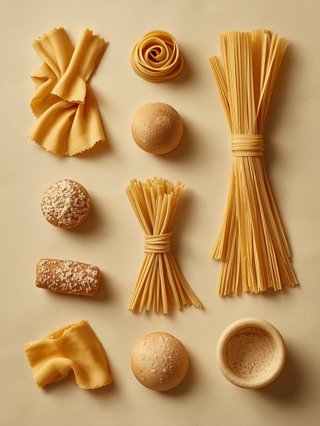
In Western retail terminology, the terms 'soy noodles' and 'glass cellophane noodles' are frequently conflated, yet food science distinguishes two distinct culinary preparations:
- Traditional cellophane glass noodles – manufactured exclusively from isolated starch derived from green mung beans (Vigna radiata), sweet potatoes, or cassava. Upon boiling, the strands turn entirely transparent, glossy, and gelatinous.
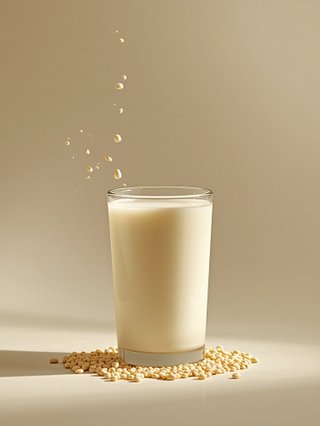
- Authentic soy flour pasta – manufactured from whole or defatted soybean flour (Glycine max). These opaque, yellow strands pack substantial complete plant protein (up to 40–45 g per 100 g dry weight) with negligible starch.
- Naturally gluten-free – both varieties lack prolamins triggering autoimmune reactions, rendering them safe for individuals with celiac disease (contingent upon verified manufacturing purity).
Nutritional Value, Glycemic Index, and Digestibility
Nutritional kinematics depend upon the underlying botanical substrate:
- Mung bean starch matrix – supplies ~330–350 kcal per 100 g dry weight, consisting almost exclusively of high-amylose complex starches with minimal lipids. Amylose retrogradation ensures slow enzymatic hydrolysis, yielding an unusually low Glycemic Index (GI 35–40).
- Soy protein matrix – concentrated in bioactive isoflavones (genistein, daidzein), non-heme iron, magnesium, phosphorus, and potassium, serving as an exceptional plant-based protein vector for athletic recovery and vegan nutrition.
- Gastric tolerance – delicate starch strands exert minimal mechanical irritation on gastrointestinal mucosa, making them ideal in bland convalescent diets and functional gastrointestinal disorders.
How to Prepare and Soak Soy and Glass Noodles?
Mung bean cellophane noodles rank among the quickest culinary staples to prepare, rarely requiring active boiling on a stovetop:
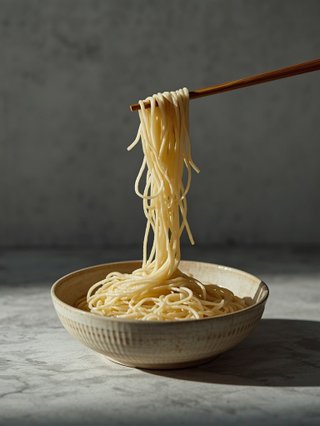
- The steep-and-soak method – place the dry noodle nests into a heatproof bowl and pour boiling water until fully submerged. Cover and steep for 3–5 minutes until the strands transform from chalky white to crystal-clear. Drain in a colander.
- Cold water shock – rinse immediately under cold running water to arrest thermal carryover cooking and prevent strands from clumping into a solid mass.
- Wok stir-fries and hot soups – when finishing in a wok or simmering broth (such as Vietnamese Pho or Tom Yum), soak dry noodles in lukewarm water for 10–15 minutes beforehand; add directly to the hot pan during the final 90 seconds of cooking.
- Kitchen shears trimming – snip long, slippery strands 2–3 times with kitchen shears to facilitate seamless tossing with dressings and effortless dining.
Culinary Recipes – Fresh Spring Rolls and Crunchy Asian Vermicelli Salad
Glass noodles act as flavor sponges for aromatic herbs, tamari, and toasted sesame. Here are two vibrant home recipes:
1. Fresh Vietnamese Spring Rolls with Crisp Herbs and Peanut Dip:
- Ingredients: 50 g softened glass noodles, 8 rice paper wrappers, 8 poached shrimp (or pan-seared tofu strips), 1 julienned carrot, 1 seedless cucumber, fresh cilantro, mint sprigs.
- Preparation: Dip rice paper briefly into warm water, place on a board, layer noodles, vegetables, shrimp, and fresh herbs in the center. Fold sides and roll tightly. Serve alongside a dipping sauce crafted from natural peanut butter, tamari, lime juice, and grated ginger.
2. Sesame-Ginger Asian Vermicelli Salad:
- Ingredients: 80 g cooked glass noodles, 1 red bell pepper, 1 crisp carrot, 2 scallions sliced, 1 tbsp toasted sesame seeds, 2 tbsp low-sodium tamari, 1 tbsp cold-pressed toasted sesame oil, juice of 1/2 lime, 1 tsp grated ginger root.
- Preparation: Julienne bell pepper and carrot. Toss with drained noodles and scallions. Whisk tamari, sesame oil, lime juice, and ginger into a dressing. Pour over the salad, toss thoroughly, garnish with toasted sesame seeds, and chill before serving.
Want to apply these guidelines in your daily diet?
Our smart diet generator creates a tailored meal plan in 3 minutes based on the recommendations in this article.
Tags

Literatura: Czerwińska D., „Rodzaje makaronów”, Przegląd Zbożowo-Młynarski, 2013, 57/05. Dziki D., Różyło R., Biernacka B., „Jakość makaronów fortyfikowanych dodatkiem mąki sojowej”, Inżynieria Przetwórstwa Spożywczego, 2013, 3/4, Obuchowski W., Łuczak M., Pankiewicz I., „Makarony wzbogacane w składniki bioaktywne: charakterystyka sensoryczna i żywieniowa”, Aparatura badawcza i dydaktyczna, 2014, 3. Maliszewska M., „Genisteina i 3,3’-diindolilometan w chemoprewencji nowotworów”, Postępy Fitoterapii, 2013, 4/248
Diets Premium Expert
Diets Premium team expert. Specializes in nutrition plans, strength sports, and training plans.