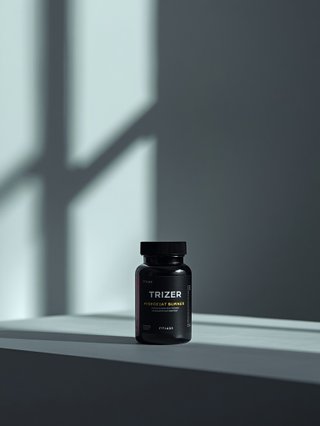
Resveratrol - the power of red wine


Table of Contents 4
Medical & Editorial Disclaimer (§3 Terms): This article is for informational and educational purposes only, does not constitute medical advice, diagnosis, or treatment, and is used at your own risk. Consult a qualified physician for medical conditions.
From a physiological perspective, resveratrol shares functional similarities with bioflavonoids, which naturally defend plants against harmful microorganisms. Within the human body, it acts as a potent antioxidant that may help support bone maintenance, cardiovascular function, blood glucose regulation, and insulin sensitivity. Furthermore, the compound has gained attention in sports supplementation due to its role in supporting nitric oxide synthesis for muscle blood flow, assisting fat metabolism, and influencing hormonal pathways related to estrogen levels and aromatase activity.
To incorporate these insights into a healthy lifestyle, readers can focus on including whole food sources like dark berries, grapes, and peanuts as part of a balanced daily diet. When considering concentrated nutritional supplements, the appropriate intake depends closely on the specific wellness objective—whether supporting cardiovascular health, physical conditioning, or cerebral circulation—and should be tailored thoughtfully alongside professional guidance.
Resveratrol in wine and beyond
The effects of resveratrol
Utilization of Resveratrol
How to correctly use the nutritional supplement?
Want to apply these guidelines in your daily diet?
Our smart diet generator creates a tailored meal plan in 3 minutes based on the recommendations in this article.

mgr Emilia Szymańska
Diets Premium Expert
Diets Premium team expert. Specializes in nutrition plans, strength sports, and training plans.